
The Future of All-Terrain Connectivity: 6 RF Trends Shaping Powersports and Recreational Vehicle Design

Powersports and recreational vehicles are integrating increasingly sophisticated navigation, wireless communication, camera and electronic control systems. These technologies introduce new RF interconnect requirements, particularly in applications where limited installation space, vibration and environmental exposure can affect signal integrity and long-term reliability.
This article examines six trends influencing RF connector and coaxial cable assembly selection, highlighting the electrical, mechanical and environmental considerations engineers should evaluate during vehicle design.
Why All-Terrain RF Design Is Evolving
Powersports and recreational vehicles have traditionally been engineered around mobility, durability and mechanical performance. Today, electronic systems are playing a larger role in vehicle design. Side-by-Sides (SxS), utility terrain vehicles (UTVs), off-highway vehicles (OHVs), motorcycles, snowmobiles and recreational vehicles (RVs) increasingly incorporate multiple systems that rely on RF signal transmission.
These systems have different connectivity requirements depending on their function. A GPS receiver may require a connection to a remotely mounted antenna, while a telematics module may use a cellular antenna for wireless communication. Vehicle camera systems may rely on coaxial connections to transmit video to a controller or display. Despite their different purposes, these applications share a common engineering challenge: maintaining reliable signal transmission while accounting for vehicle layout, installation limitations and environmental conditions.
As electronic systems become more capable, RF connector selection must account for frequency, impedance, signal integrity, mechanical retention, cable routing and environmental exposure.
The following six trends illustrate how evolving vehicle technologies are influencing RF interconnect design.
6 All-Terrain Trends Shaping RF Interconnect Design
1. Advanced Camera and Sensor Systems Are Raising Bandwidth Requirements
Cameras are becoming an increasingly important part of vehicle electronics, supporting rearview visibility, multi-camera monitoring, driver assistance and other vehicle-awareness functions. In powersports applications, cameras can improve visibility around vehicles operating in difficult terrain. Recreational vehicles may also incorporate rearview and side-view camera systems to support maneuvering, parking and situational awareness.
As manufacturers introduce additional cameras and higher-resolution imaging systems, supporting data connections may need to accommodate greater bandwidth and more demanding signal-integrity requirements. These changes can influence connector selection, cable routing and the overall design of the vehicle's electronic architecture. Engineers must consider how each component in the signal path contributes to system performance.
Engineering consideration: High-speed camera architectures require attention to impedance continuity, insertion loss, return loss, shielding and cable characteristics. Engineers must evaluate the complete signal path based on the selected video protocol, transmission distance and system bandwidth. Connector and cable selection should also account for installation constraints and environmental exposure.
Design takeaway: Amphenol RF's AUTOMATE Mini-FAKRA Type C connectors provide a compact, multiport coaxial interface for high-density vehicle data applications. When evaluating these connectors for camera and sensor systems, engineers should verify the selected configuration against the required operating frequency, video protocol, insertion loss and complete cable assembly performance.
2. Compact Electronics Are Driving Higher-Density RF Architectures
As more electronic functionality is integrated into powersports and recreational vehicles, available installation space becomes increasingly limited. Navigation receivers, wireless modules, electronic control units and camera systems must often fit within compact enclosures while allowing sufficient room for cable routing and secure mounting. This challenge is particularly relevant in UTVs, motorcycles and other powersports platforms where restricted PCB space and closely positioned components can complicate RF system integration.
Connector miniaturization helps engineers accommodate more RF connections within smaller electronic assemblies, but it also introduces important design trade-offs. Ultraminiature coaxial interfaces can reduce the space required for internal connections between wireless modules, circuit boards and antennas, while attached cables must still accommodate appropriate bend radii and strain relief. In larger vehicle architectures, multiple RF signal paths may also benefit from consolidated connector arrangements that simplify installation and reduce the number of individual mating operations.
Engineering consideration: Connector footprint, mated height, cable exit direction, minimum bend radius and retention mechanisms all influence RF packaging decisions. Compact internal connections require careful consideration of cable flexibility, mating accessibility and mechanical stress, particularly in densely populated electronic assemblies. For applications requiring multiple coaxial connections, engineers should also evaluate whether a multiport interface can improve packaging efficiency, assembly consistency and cable management.
Design takeaway: Amphenol RF's AMC, AMC4 and AMMC ultraminiature connectors support compact internal RF connections where PCB space and mated height are limited. For applications requiring multiple coaxial connections, AUTOMATE Mini-FAKRA Type A offers a multiport interface that can consolidate connections and simplify cable management. Engineers should evaluate connector density, cable routing, retention and installation requirements when selecting between individual and multiport configurations.

3. Connected Vehicles Are Expanding Wireless and Telematics Requirements
Wireless connectivity is becoming an increasingly important part of off-highway and recreational vehicle design as manufacturers integrate GPS/GNSS navigation, cellular communication, vehicle diagnostics and infotainment systems. In off-highway applications, telematics can support location tracking, equipment monitoring and the transmission of operational data, while recreational vehicles rely on wireless connections for navigation, internet access and entertainment. As these capabilities expand, engineers must accommodate additional antennas, communication modules and RF signal paths within vehicle architectures.
Integrating multiple wireless technologies presents challenges beyond simply adding antenna connections. GPS/GNSS receivers, cellular modems and Wi-Fi modules may operate across different frequency bands, requiring careful consideration of antenna placement, cable routing and potential interference between systems. Vehicle construction materials, antenna separation and the distance between antennas and radio modules can also influence signal quality, making RF system planning an important part of the overall electronic design.
Engineering consideration: Wireless system performance depends on several factors, including antenna placement, cable length, insertion loss, impedance matching and environmental exposure. When multiple wireless technologies operate within the same vehicle, engineers must evaluate antenna isolation, frequency compatibility and available mounting locations to minimize interference and maintain reliable communication. Connector selection should also account for vibration, moisture exposure and the mechanical requirements of the installation.
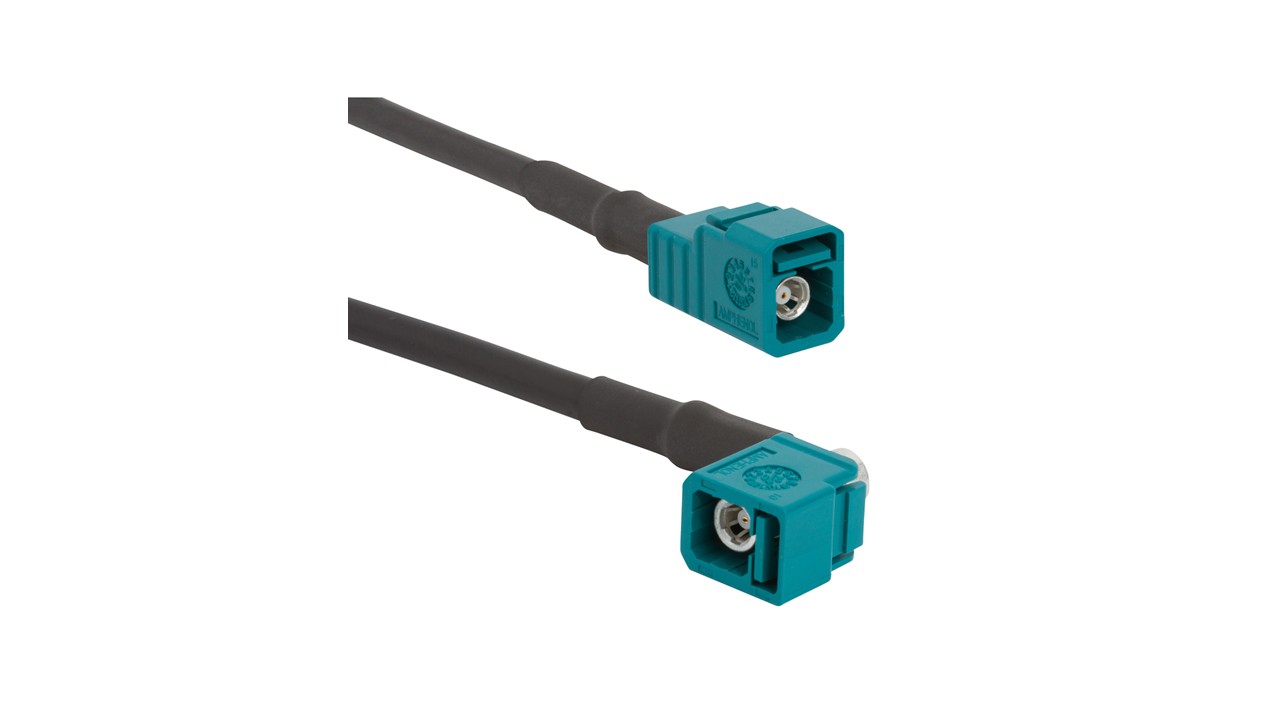
Design takeaway: Amphenol RF's SMA and TNC connector families provide threaded interfaces for antenna connections requiring secure mechanical coupling, while FAKRA offers keyed automotive connectivity for compatible vehicle electronics. RP-TNC configurations provide additional interface options where required by the system design. Connector and cable assembly selection should account for operating frequency, cable attenuation, mounting location and environmental exposure.
4. Harsh Operating Environments Are Putting Greater Emphasis on Connection Reliability
Powersports and recreational vehicles operate in environments where RF connections are regularly exposed to mechanical stress, moisture and changing weather conditions. Off-highway vehicles, including ATVs, UTVs and side-by-side vehicles (SxS), frequently encounter mud, dust, water spray, continuous vibration and sudden mechanical shock while navigating uneven terrain. Motorhomes, travel trailers and other recreational vehicles face similar challenges from prolonged outdoor exposure, temperature fluctuations and vibration during travel, making environmental protection an important consideration in RF system design.
Maintaining reliable connectivity under these conditions requires more than electrical performance alone. Environmental sealing helps protect connector interfaces against water and dust intrusion, while secure coupling mechanisms help prevent unintended disconnection caused by movement and vibration. Threaded RF connectors provide positive mechanical engagement, making them particularly suitable for applications experiencing repeated shock and vibration. For exposed installations, IP-rated connector solutions can provide an additional level of protection when properly mated and installed according to their specified environmental ratings.
Engineering consideration: RF interconnect selection for harsh environments should account for ingress protection, mating retention, cable strain relief, corrosion resistance and operating temperature. IP67-rated configurations provide protection against dust ingress and temporary immersion under specified conditions, while IP69K-rated configurations address high-pressure, high-temperature water exposure under applicable test conditions. These ratings are not interchangeable and should be evaluated against the actual installation environment. Engineers must also verify the sealing and mechanical performance of the complete mated connection and cable assembly.
Design takeaway: Amphenol RF offers environmentally sealed SMA, TNC and other RF connector configurations for applications requiring protection against moisture and contaminants. Threaded coupling options provide secure mechanical engagement, while appropriately specified cable assemblies support reliable installation. Engineers should confirm the selected part's environmental rating, vibration requirements and cable termination performance before finalizing the design.
5. Vehicle Electrification Is Introducing New RF Integration Considerations
Electrification is reshaping the electrical architecture of powersports and recreational vehicles as manufacturers incorporate electric drivetrains, battery management systems and advanced power electronics. Components such as traction inverters, motor drives and DC-DC converters introduce electrical switching activity that can generate electromagnetic interference (EMI). When RF systems operate near these components, unwanted electromagnetic noise can affect sensitive receivers, wireless communication modules and navigation equipment, making electromagnetic compatibility (EMC) an important consideration during vehicle development.
High-voltage power distribution also introduces additional challenges for RF cable routing and system integration. Coaxial cables installed near high-voltage harnesses, switching electronics or motor drive components may be exposed to conducted or radiated interference, depending on the system design and operating conditions. Although coaxial cable shielding helps limit electromagnetic coupling, its effectiveness depends on cable construction, connector termination quality and proper grounding. Engineers must therefore consider the physical separation of RF and power cables, potential interference paths and the placement of sensitive electronic components within the vehicle.
Engineering consideration: Managing electromagnetic interference requires a system-level approach to cable routing, shielding effectiveness, grounding and antenna placement. Engineers should evaluate separation distances between RF signal paths and high-voltage power harnesses, minimize unnecessary cable crossings and assess potential noise coupling from inverters and motor drives. Properly terminated coaxial shielding and appropriate grounding practices can help reduce interference, while EMC testing under representative vehicle operating conditions is essential for validating system performance.
Design takeaway: Properly specified coaxial cable assemblies and RF connectors help maintain shielding continuity and controlled impedance in electrically complex vehicle architectures. Amphenol RF's SMA, TNC, FAKRA and miniature coaxial interfaces support antenna, wireless module and internal RF connections. Interconnect selection should complement system-level grounding, cable routing and EMC validation practices.

6. Autonomous Navigation Is Driving New RF Connectivity Requirements
Advanced navigation and vehicle-awareness technologies are introducing new connectivity requirements across off-road vehicle platforms. GNSS positioning, camera systems, radar and wireless communication can support functions such as route guidance, obstacle detection and assisted vehicle operation.
In specialized off-highway applications, these technologies may also support automated guidance and precision positioning. Systems incorporating real-time kinematic (RTK) GNSS require reliable antenna-to-receiver connections and appropriate correction data to achieve their intended positioning performance.
Engineering consideration: Autonomous navigation systems require careful coordination between positioning accuracy, sensor integration and wireless communication performance. Engineers must evaluate GNSS antenna placement, RF signal loss, impedance matching and potential interference when integrating multiple antennas and communication technologies into a vehicle. For systems using RTK positioning or wireless correction data, maintaining reliable antenna-to-receiver connections and communication links is particularly important, while overall navigation reliability depends on the complete sensing, processing and control architecture.
Design takeaway: Amphenol RF's SMA, TNC and FAKRA connector families, along with compatible coaxial cable assemblies, provide connectivity options for GNSS antennas, wireless communication modules and other RF components used in autonomous navigation architectures. These interfaces can support connections between antennas and receivers where signal integrity, installation flexibility and mechanical compatibility are important design requirements. Engineers should select interconnects according to the operating frequency, impedance, cable characteristics and specific performance requirements of each navigation or sensing subsystem.
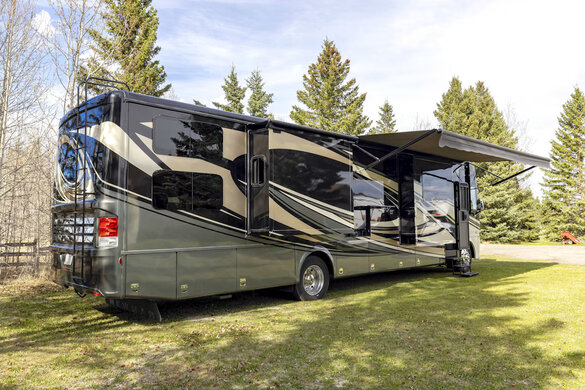
Building a Stronger RF Connectivity Strategy for the Next Generation of Vehicles
As powersports and recreational vehicles evolve, advancements in high-bandwidth camera systems, compact electronics, wireless telematics, electrification and autonomous navigation are creating new demands for RF connectivity. Each technology introduces unique considerations for signal integrity, installation space and system reliability. Addressing these requirements early in development helps engineers select RF interconnects that support both electrical performance and the mechanical demands of vehicle applications.
Amphenol RF offers a comprehensive portfolio of RF connectors and coaxial cable assemblies designed to support these evolving requirements. Solutions include AMC, AMC4 and AMMC ultraminiature connectors for compact internal connections, AUTOMATE Mini-FAKRA Type A multiport interfaces, AUTOMATE Mini-FAKRA Type C for high-density vehicle data applications, and SMA, TNC and FAKRA connector options for antenna, communication and rugged vehicle systems. With IP-rated configurations available for demanding environments, Amphenol RF helps engineers address connectivity challenges across powersports and recreational vehicle platforms.
Learn More: RF Connectivity for Powersports & Recreational Vehicles
Ressources connexes







Envoyez-nous un message
Veuillez remplir le formulaire ci-dessous ; nous vous contacterons très prochainement.
Les champs marqués d'un astérisque (*) sont obligatoires.