
Driving the Future: How Autonomous Technology is Transforming Industries
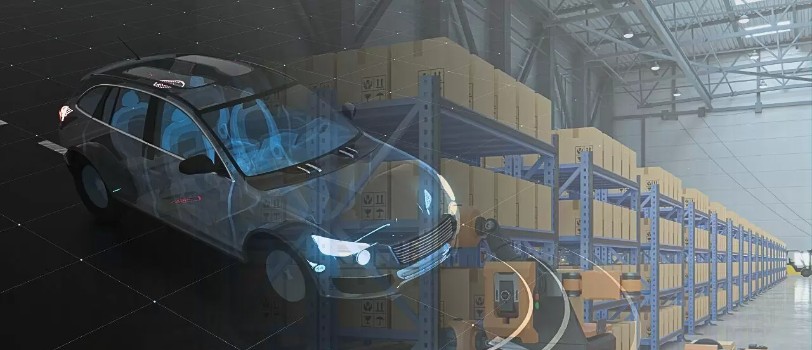
Autonomous systems are changing how organizations move goods, inspect facilities and collect information. From autonomous mobile robots to connected wearables, these systems use sensors, computing and wireless communication to understand their surroundings and carry out tasks. The connections among those components matter. Amphenol RF offers connectors, antennas and cable assemblies that can support RF signal paths inside autonomous equipment and between devices and wireless networks. Each solution must be selected for the system’s frequency, space, mechanical and environmental requirements.
The Backbone of Autonomous Systems: Connectivity Solutions:
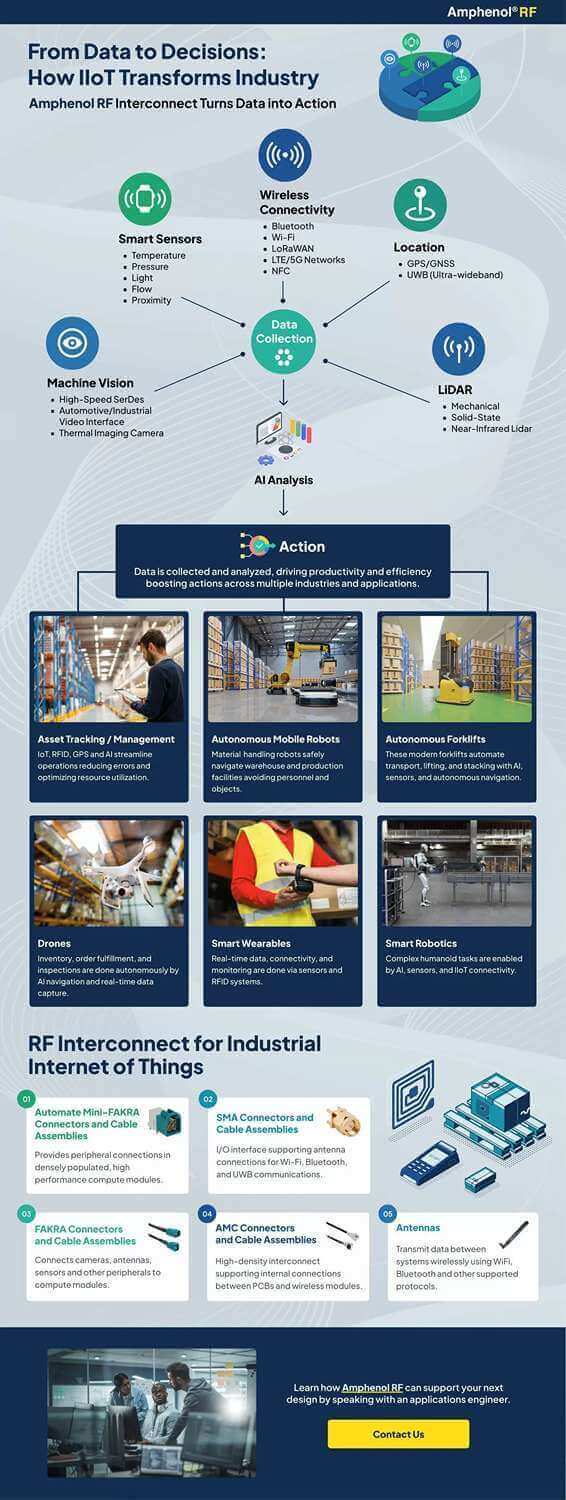
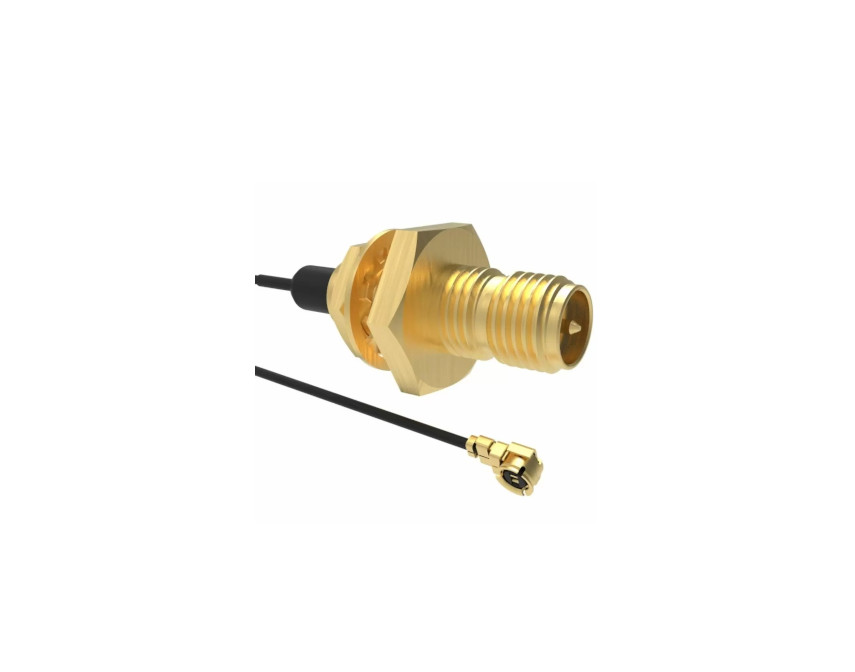
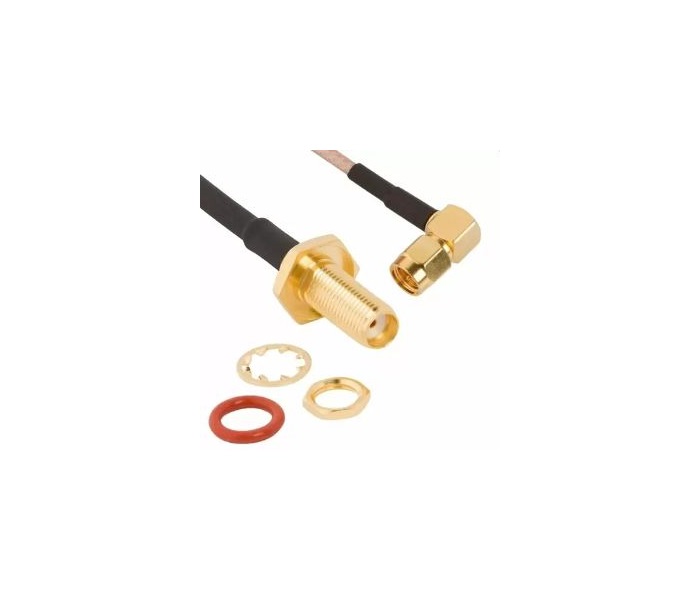
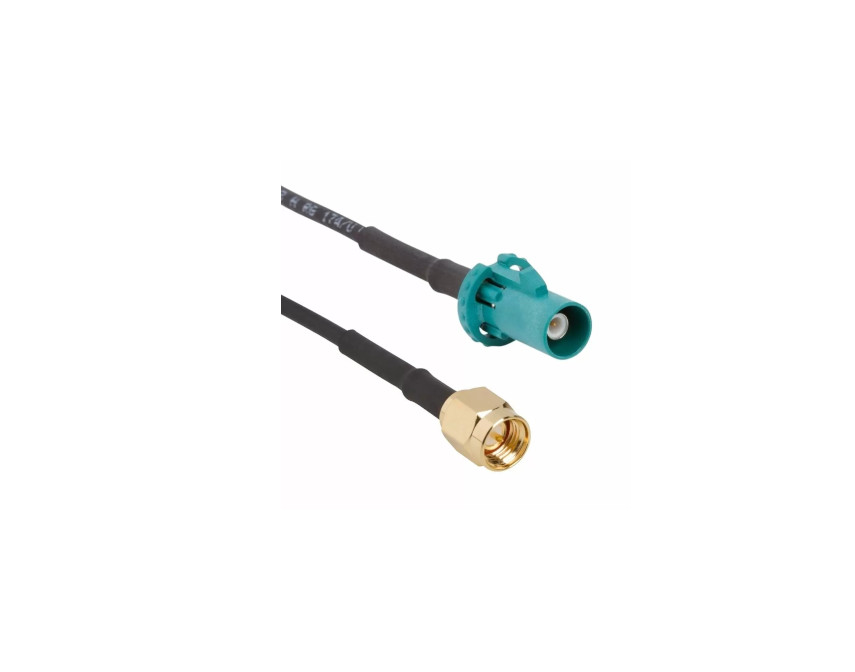
Autonomous technology depends on fast, reliable data transmission to function effectively. The infographic highlights key interconnect solutions that power these systems:
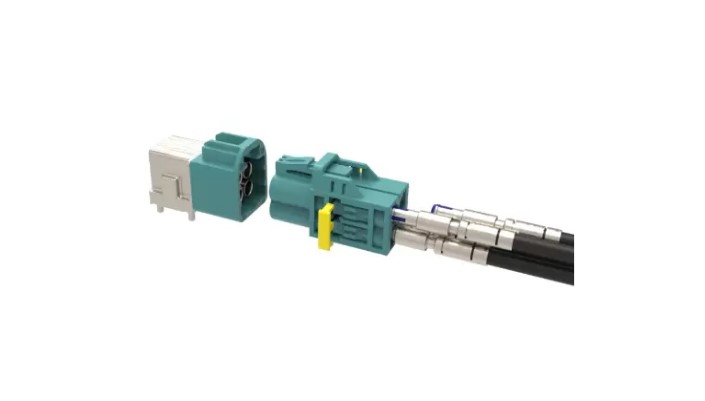
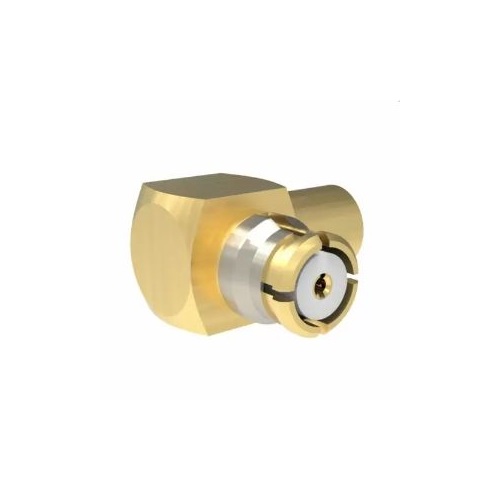
1. Mini-FAKRA Connectors & Cable Assemblies- Designed for densely populated compute modules.
- Provide peripheral connections for high-performance applications.
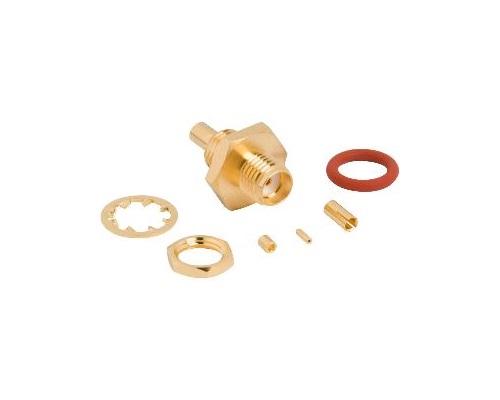
- I/O interface for Wi-Fi, Bluetooth, and UWB communication.
- Supports antenna connectivity for robust wireless performance.
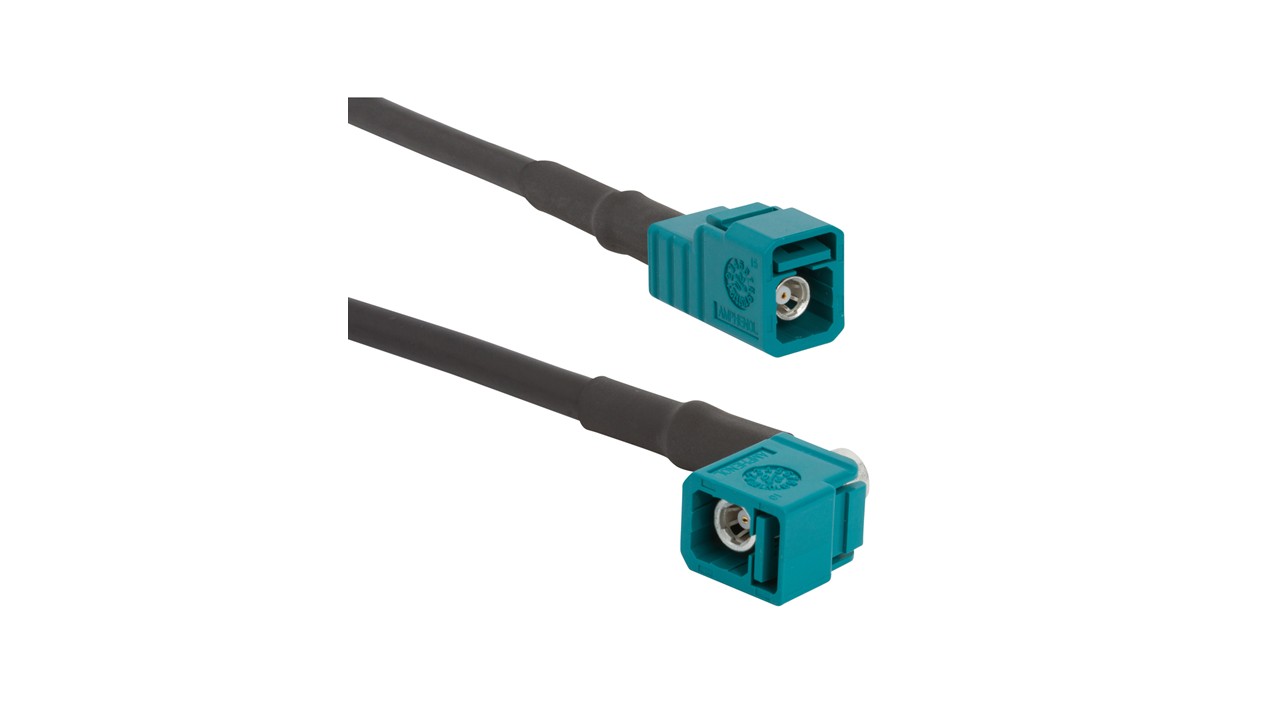
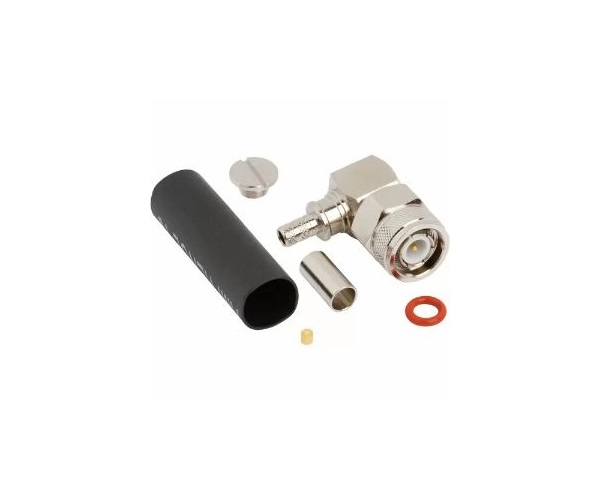
3. FAKRA Connectors & Cable Assemblies:
- Essential for connecting cameras, antennas, and sensors.
- Enable real-time data capture and processing.
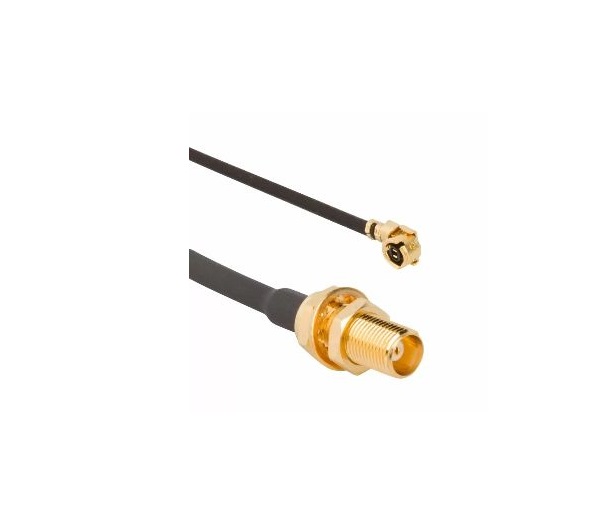
4. AMC Connectors & Cable Assemblies
-
Provide high-density interconnects for PCBs and wireless modules.
- Ensure reliable internal communication within autonomous systems.
How Autonomous Technology is Changing Industries:
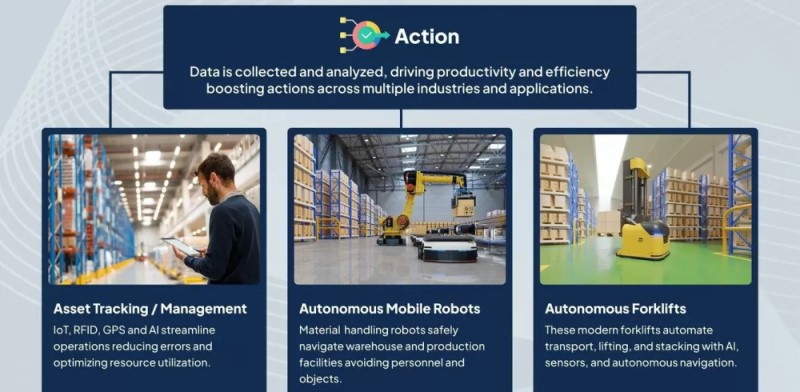
Autonomous systems take different forms across manufacturing, logistics and inspection. Although the tasks vary, each application needs suitable connections among its sensors, processors and communication equipment.
Asset Tracking & Management:
IoT devices, RFID and GPS/GNSS can help organizations identify assets, monitor locations and manage resources. Timely information can reduce manual tracking work and give operators better data for decisions. The appropriate tracking technology depends on the required range, accuracy and operating environment.Autonomous Mobile Robots (AMRs):
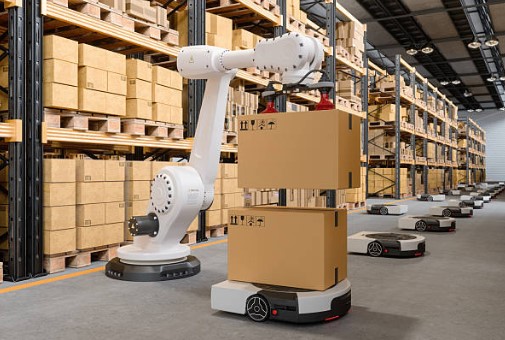
AMRs move through warehouses and production facilities while responding to their surroundings. Cameras and other sensors help them detect obstacles and navigate, while onboard computing interprets the data. Wireless connections can link robots to fleet-management systems and facility networks.Autonomous Forklifts:
Autonomous forklifts can assist with lifting, stacking and moving materials. Sensors, computing and control systems work together to locate loads and navigate the facility. Their operation requires a system designed and validated for the specific environment and task.Drones for Inventory & Inspections:
Camera-equipped drones can capture images of inventory locations, equipment or facilities, including areas that are difficult to inspect from the ground. Wireless links support control and data transfer, while onboard sensors and navigation systems help the drone operate. The original article also connected drones with order fulfillment; that application depends on the particular workflow and is distinct from using drones to scan or inspect inventory.Smart Wearables & Robotics:
Wearables can use sensors and wireless links for monitoring or communication. RFID may support identification and tracking where appropriate. Industrial robots, including developing humanoid designs, combine sensing, processing and communication to perform more complex tasks. Compact RF connections can be useful where the device has limited space or moves repeatedly.Key Technologies Driving AI & IIoT:
Autonomous equipment draws on several technologies. RF interconnects support applicable signal paths within these systems; the complete sensing and computing architecture determines what the equipment can do.
- Machine vision and video interfaces: Cameras, thermal imaging, image processing and high-speed serializer/deserializer (SerDes) links help systems capture and move visual information.
- Smart sensors: Devices can measure temperature, pressure, light, flow and proximity to monitor equipment and surroundings.
- Wireless connectivity: Bluetooth, Wi-Fi, LoRaWAN, LTE/5G and NFC serve different communication ranges, data needs and use cases.
- Location tracking: GPS/GNSS can support outdoor positioning, while UWB can provide precise location information in suitable deployments.
- LiDAR systems: Mechanical and solid-state approaches use light to measure distance and detect objects; designs differ in size, range and integration needs.
Turning Data into Action:
Autonomous systems can generate large amounts of information, but collecting data is only the first step. Sensors capture it, connections carry it, and computing systems interpret it to guide an action or inform an operator. An RF connector cannot make a decision or guarantee a system’s safety. It can, however, provide a dependable part of the signal path when properly specified and integrated. That is especially important as designers add more cameras, antennas and wireless modules within limited space.
Conclusion:
Autonomous technology is expanding across asset tracking, warehouse robotics, industrial vehicles, drones and wearables. These applications need connections suited to their different electrical, mechanical and environmental demands.
Amphenol RF’s Mini-FAKRA, SMA, FAKRA and AMC portfolios offer options for linking cameras, sensors, compute modules, radios and antennas. To select an interconnect for a specific design, contact an Amphenol RF applications engineer.
Ressources connexes
.png)

Envoyez-nous un message
Veuillez remplir le formulaire ci-dessous ; nous vous contacterons très prochainement.
Les champs marqués d'un astérisque (*) sont obligatoires.