
Enabling Factory Automation: Warehouse Robotics & Autonomous Mobile Robots in Action
.jpg)
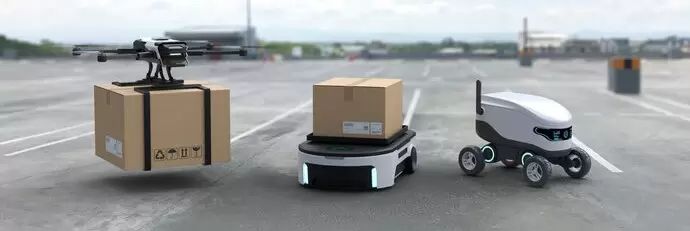
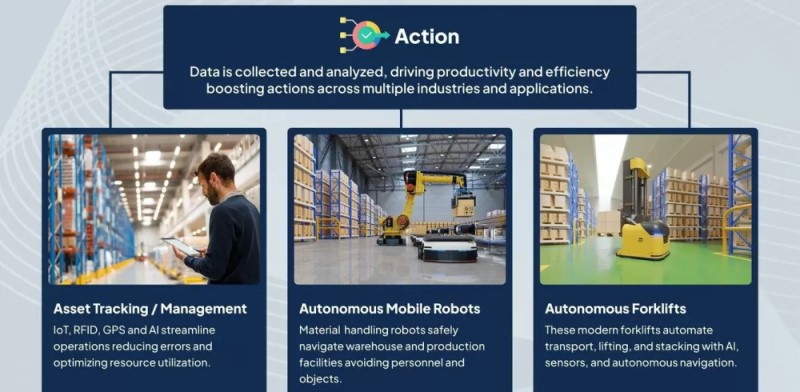
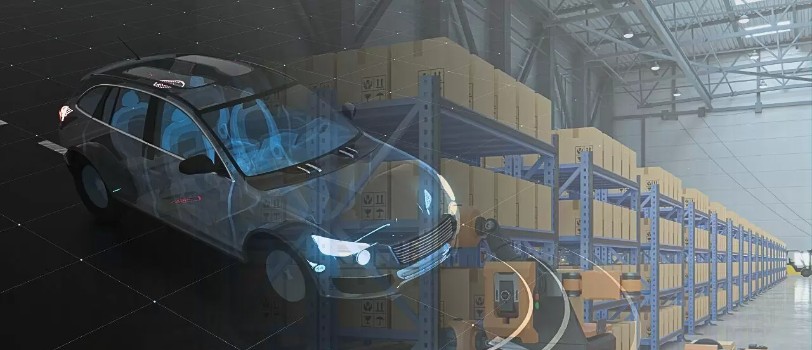
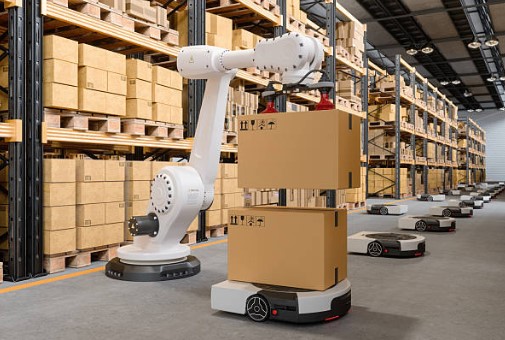
Factory and warehouse automation continues to evolve as manufacturers and logistics operators look to improve productivity, safety and flexibility. Autonomous mobile robots (AMRs), automated guided vehicles (AGVs), robotic picking systems and material-handling equipment use cameras, sensors and wireless communications to operate in busy industrial environments.
Machine vision and AI expand what these systems can do. Robots can process information from cameras, LiDAR and proximity sensors to identify objects, plan routes and respond to changing conditions. As more robots work together, reliable connections between sensors, onboard computing equipment and wireless infrastructure become increasingly important.
These systems place several demands on their RF connections: data must move quickly, components must fit into compact spaces, and connections must remain secure despite movement, vibration and environmental exposure.
How Are Autonomous Mobile Robots Used in Warehouse Automation?
Unlike equipment limited to a fixed path, AMRs can use sensors and onboard computing to navigate changing spaces. Applications include:
- Moving materials between workstations
- Picking and fulfilling orders
- Transporting pallets and containers
- Scanning and tracking inventory
- Supporting automated storage systems
- Operating as autonomous tugs or forklifts
- Inspecting and monitoring facilities
Each application may require connections among cameras, sensors, antennas, radios and processors. As the number of connected devices grows, the RF interconnect system becomes an important part of the robot’s overall design.
Why Is RF Connectivity Important for Warehouse Robotics?
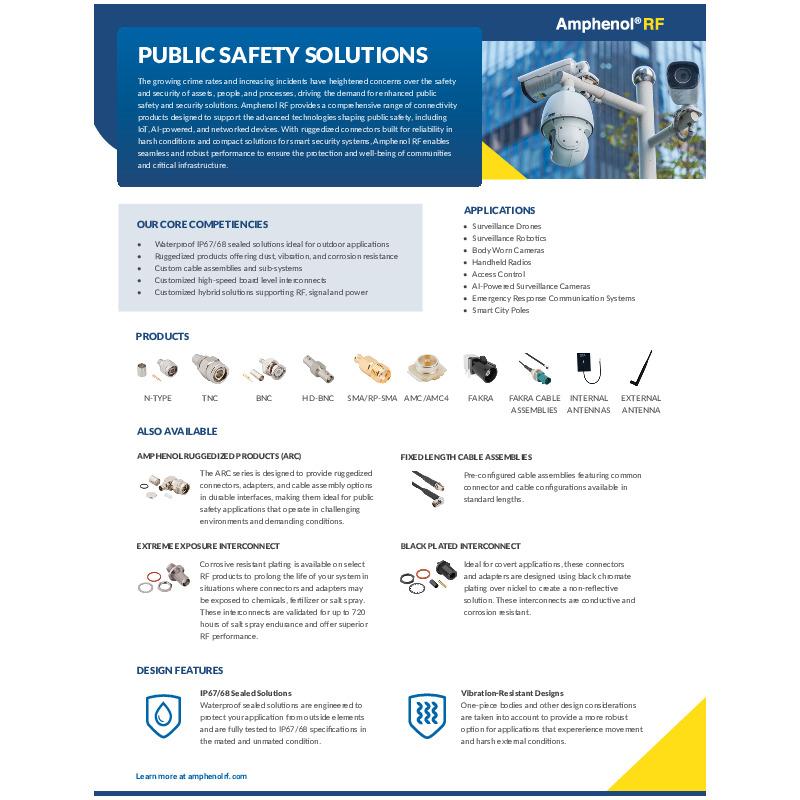
Warehouse robots use wireless links to communicate with management systems, network infrastructure and other equipment. Inside the robot, RF connections can link antennas, cameras, sensors and computing modules. Depending on the application, these paths may support Wi-Fi, cellular connectivity, positioning, machine vision or telemetry.
Engineers must maintain signal performance while fitting these connections into mobile equipment with limited space. Connector and cable assembly requirements may include compact footprints, high connection density, flexible routing, secure mating and protection from vibration or environmental exposure.
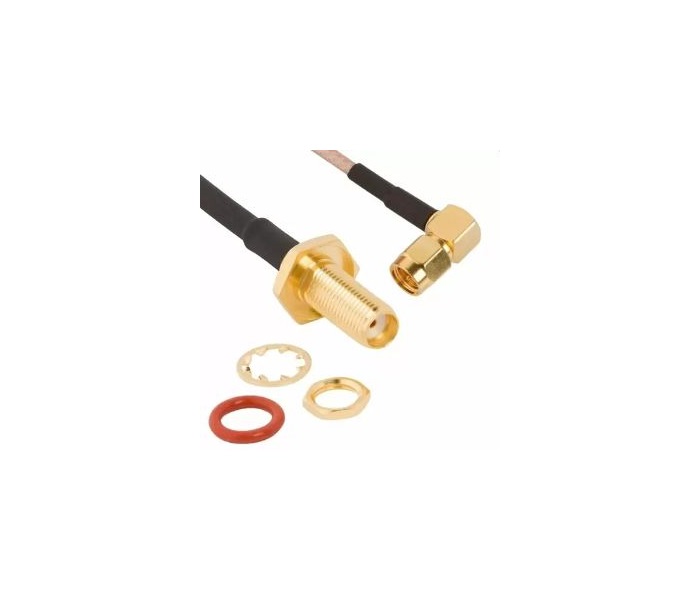
Amphenol RF offers RF connectors and RF cable assemblies for different points along these signal paths.
High-Speed Connectivity for Cameras, Sensors and Compute Modules:
Cameras and sensors help robots recognize inventory, navigate aisles and detect obstacles. Their signals must reach onboard processors through connections that fit within the available space.
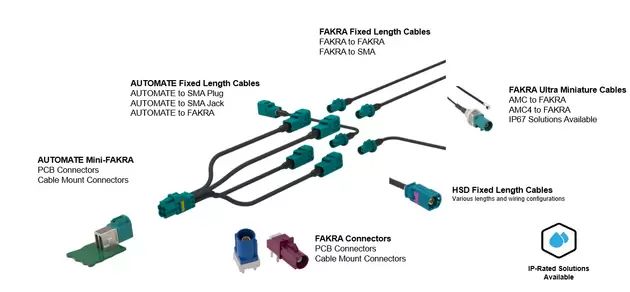
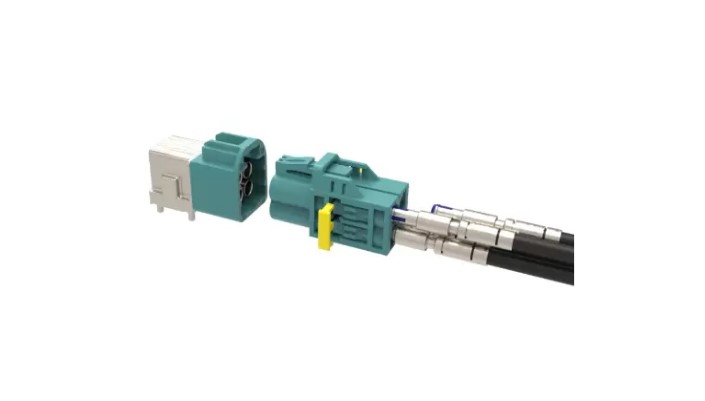
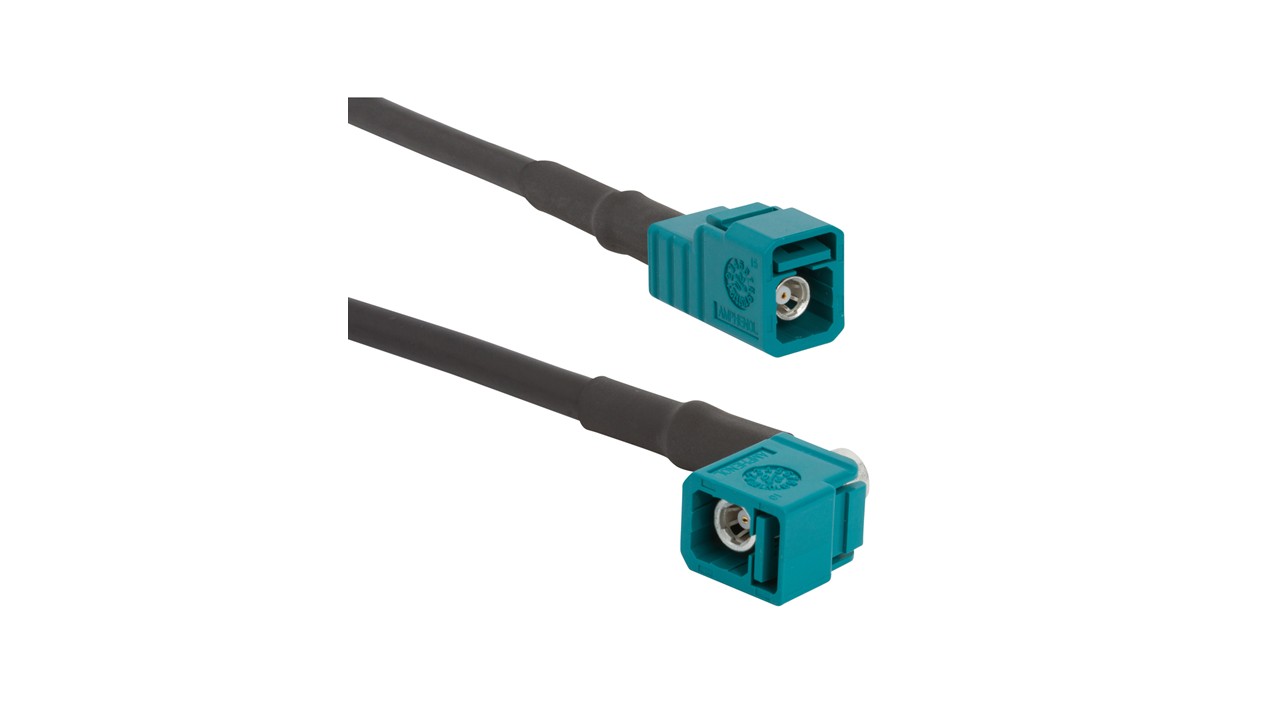
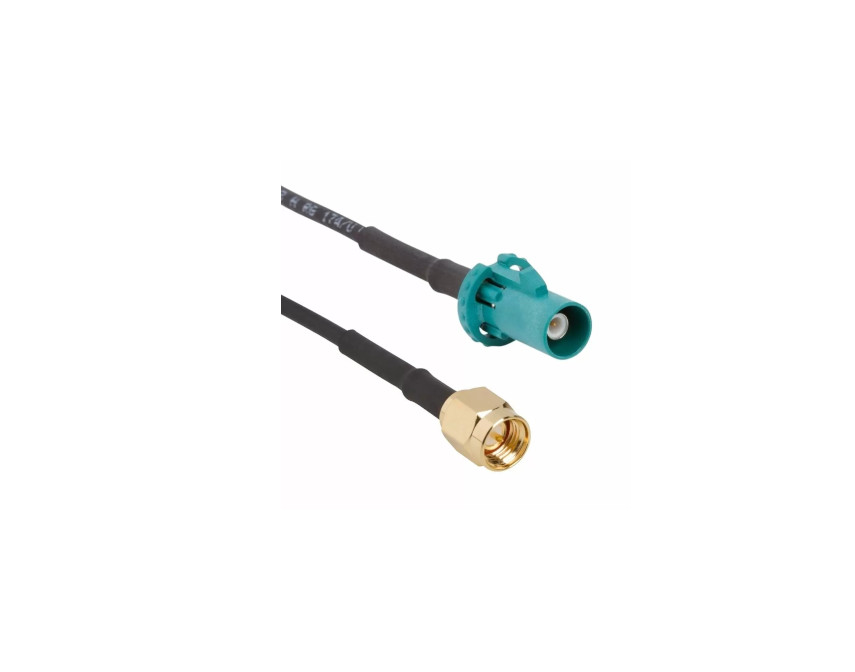
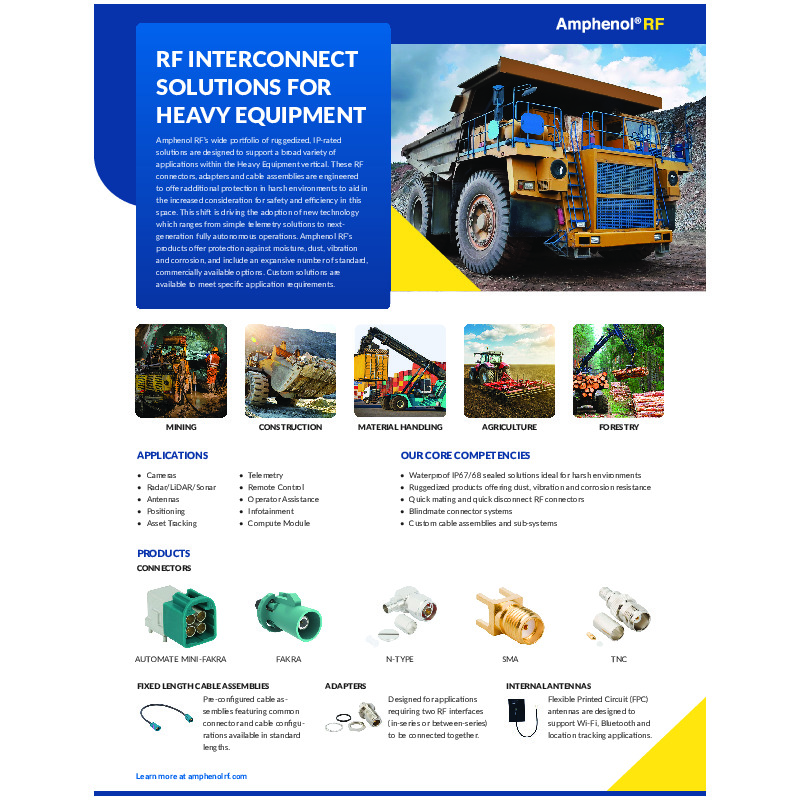
Amphenol RF AUTOMATE Mini-FAKRA Type A connectors offer a compact option for camera and sensor architectures. The series supports data rates up to 20 Gbps and can save up to 80% of installation space compared with traditional FAKRA connectors. Single-, dual- and quad-port options allow designers to group multiple connections in one housing. Actual performance depends on the selected configuration and cable.
Explore AUTOMATE Mini-FAKRA Type A connectors.
Rugged RF Connections for Demanding Industrial Environments
Robots and warehouse equipment experience movement and vibration. Depending on where they operate, their connections may also face dust, moisture or temperature changes. The appropriate connector depends on the exposure and the protection required.
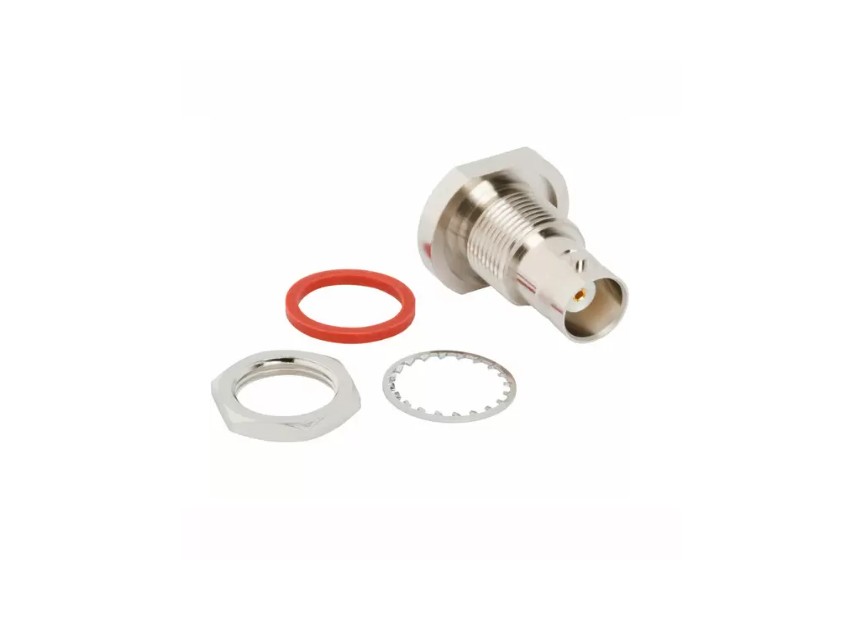
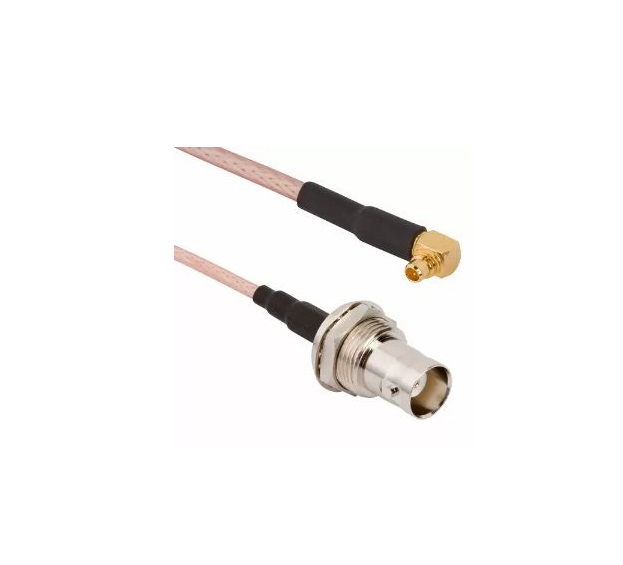
TNC connectors use threaded coupling for secure mating in applications subject to vibration. Standard designs typically support frequencies through 11 GHz, while extended-range designs can support up to 18 GHz. Certain configurations offer IP67 sealing.
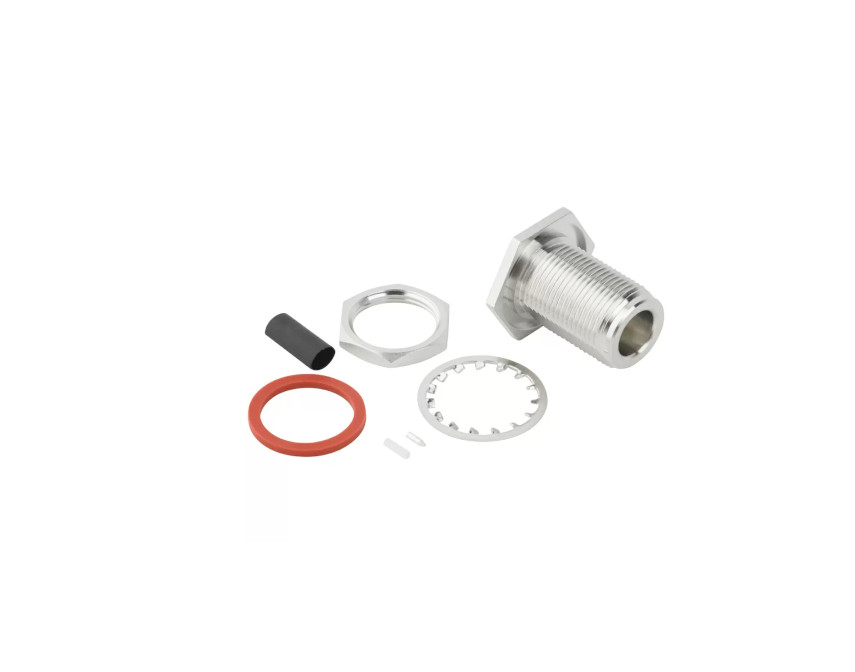
N-Type connectors provide another threaded option for industrial equipment, external antennas and wireless infrastructure. Standard designs typically operate through 11 GHz, with extended-range options reaching 18 GHz; select models offer IP67 protection.
Miniaturization Is Changing Robotic System Design:
Warehouse robots are becoming more capable without necessarily becoming larger. Engineers are integrating additional sensors, radios, processors and antennas into limited spaces, increasing the importance of component miniaturization. This creates a challenge for RF design. Smaller connectors need to occupy less PCB and enclosure space while maintaining the electrical performance required by the application.
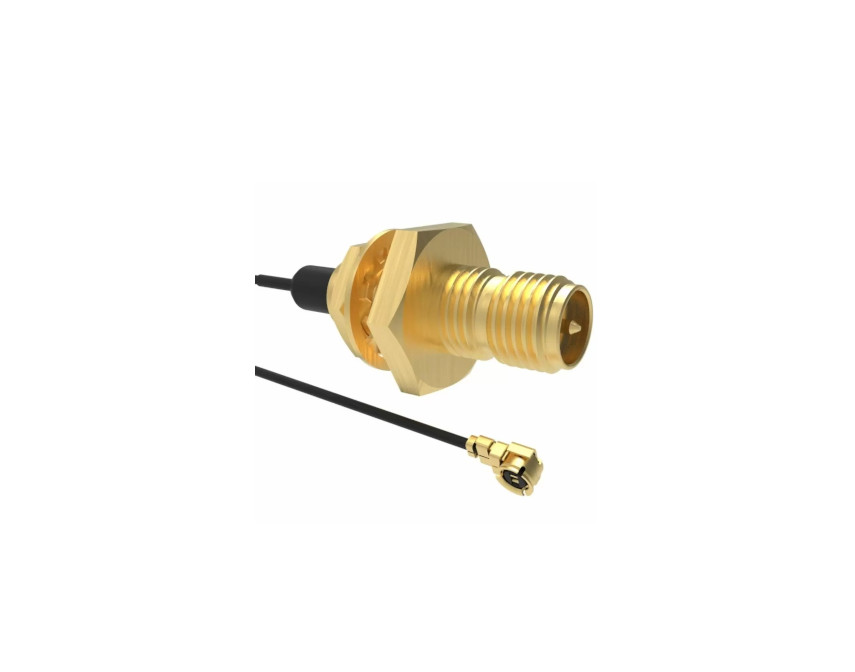
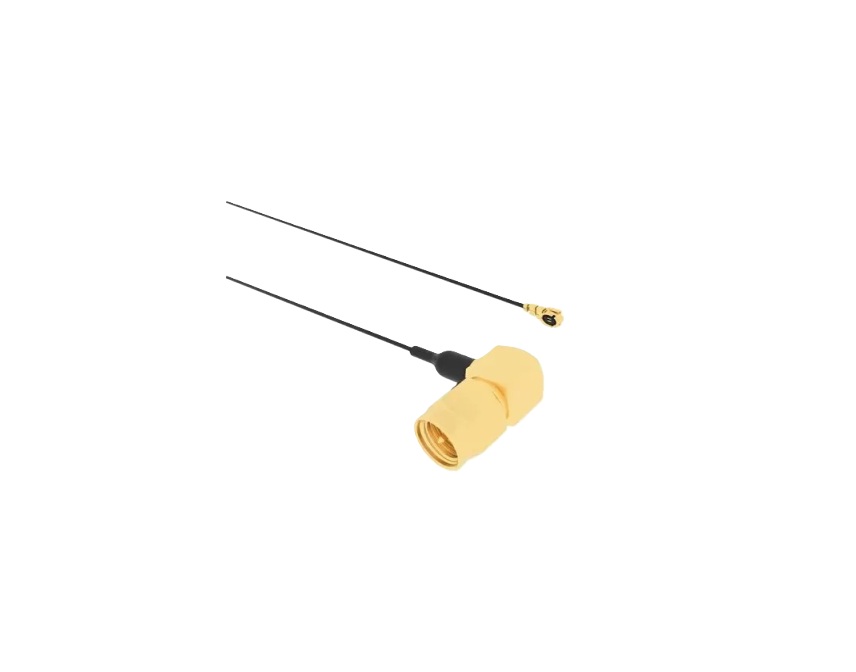
Micro-miniature and ultraminiature RF interfaces can help engineers maximize available space for these increasingly complex architectures. Compact RF connections are particularly useful for antenna feeds, embedded wireless modules and internal RF signal paths where traditional connector footprints may be impractical.

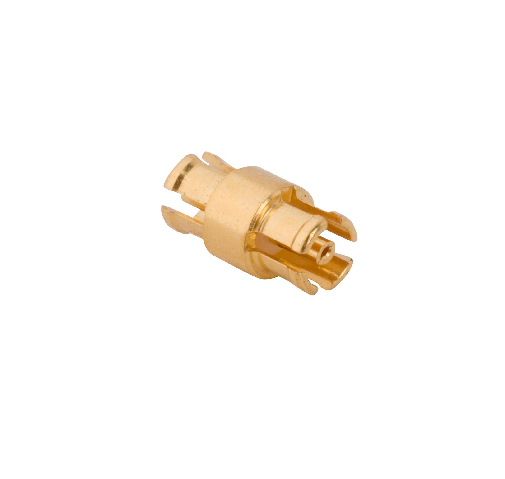
For systems requiring extremely compact board-to-board connectivity at higher frequencies, SMP connectors provide broadband performance through 40 GHz in a compact push-on, blind-mate interface.
Explore Amphenol RF board-to-board solutions.
Supporting Wireless Communication Across the Warehouse:
An AMR often works as part of a larger connected system. Fleets may communicate with access points, control systems, edge computing equipment and other robots using Wi-Fi, private cellular networks, Bluetooth, GNSS or other technologies, depending on the application.
The RF path between a radio and its antenna deserves attention. Connector choice, cable type and length, routing, and antenna placement can all affect performance. TNC and N-Type interfaces provide threaded options for external antennas and industrial wireless equipment. Engineers also need to consider the wider RF environment when many radios and antennas operate close together.
Camera and Vision Systems Require Reliable Interconnects:
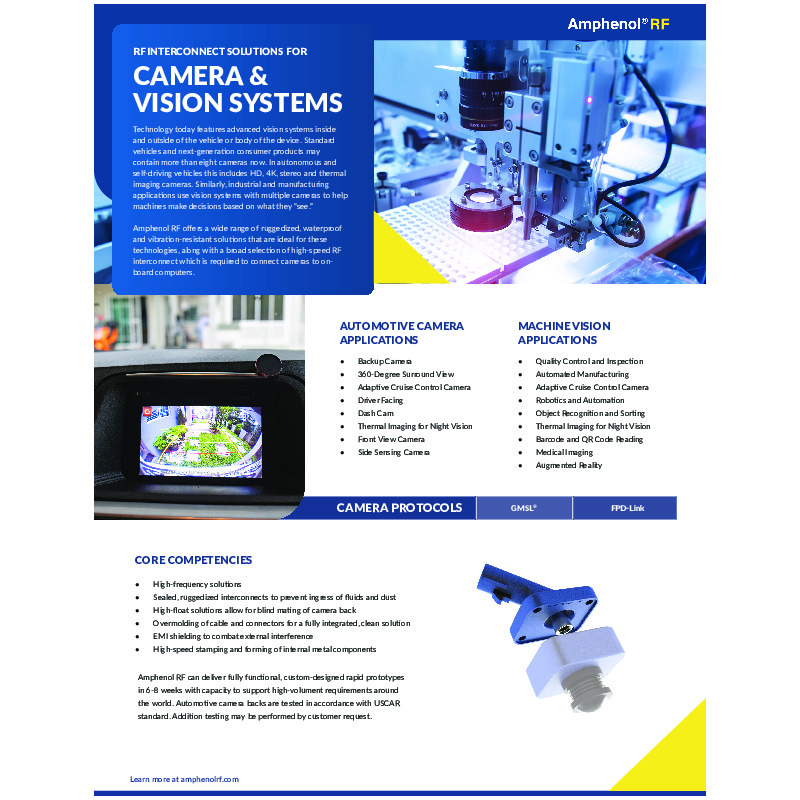
Machine vision has moved beyond basic obstacle detection. Cameras can support navigation, barcode and label recognition, inventory identification, quality inspection and AI-enabled object recognition. These applications create additional connectivity requirements inside the robot. Camera connections may need to support high data rates while fitting within compact assemblies and maintaining reliable performance under vibration and continuous movement. In modular systems, blind-mate connectivity can also simplify assembly, installation and maintenance.
Amphenol RF SMP connectors combine a compact footprint with push-on blind-mate capability and support frequencies up to 40 GHz, depending on configuration. These characteristics make SMP an option for high-density, high-frequency board-to-board and module-to-module RF connections.
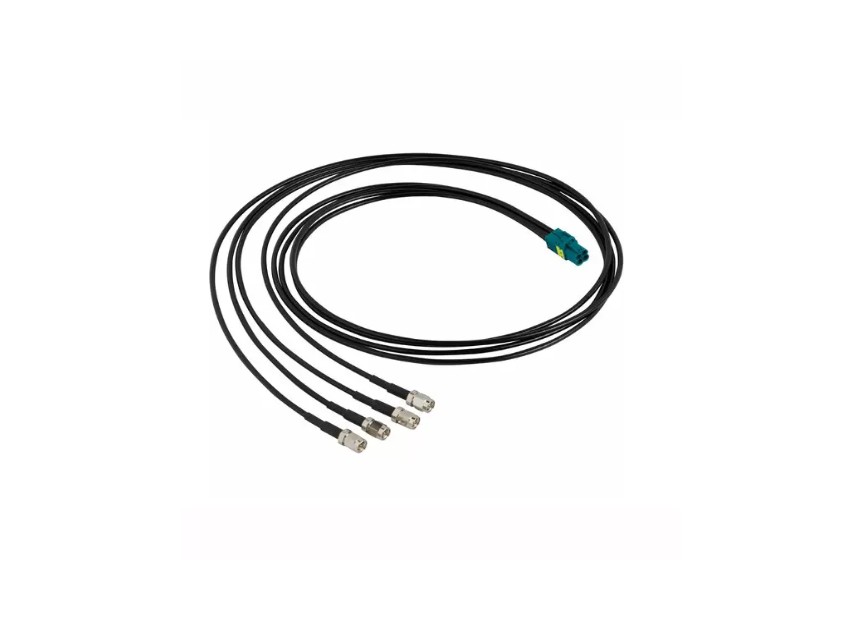
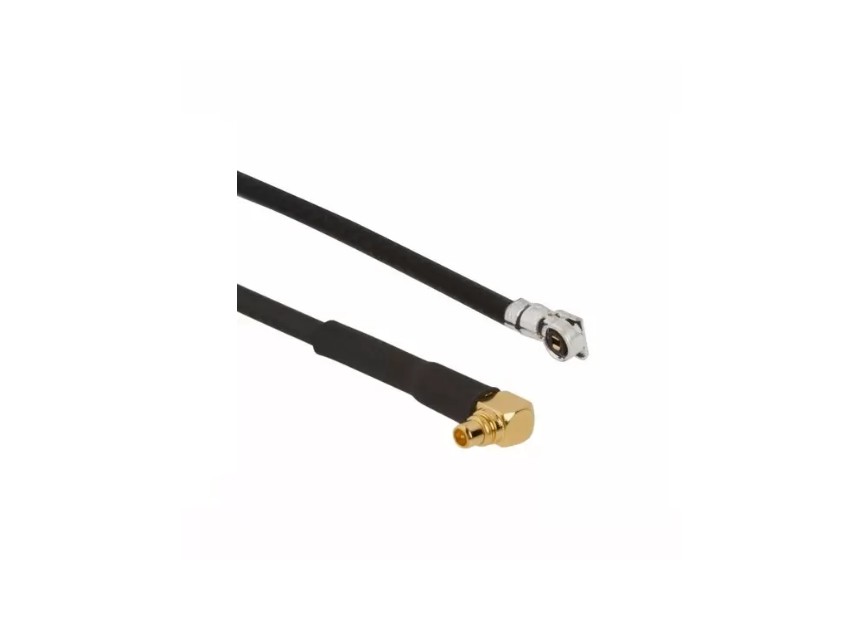
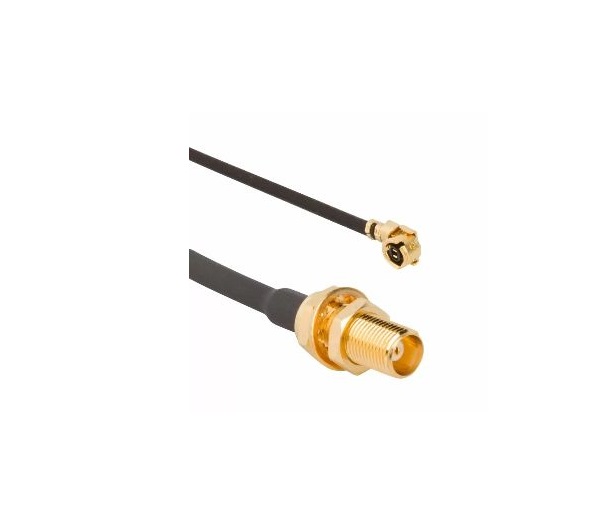
SMP cable assemblies extend the interface to cable-to-board applications and provide additional flexibility for routing RF signals through compact equipment.
For 75-ohm camera and video architectures, HD-AFI connectors provide a high-float blind-mate interface designed to accommodate axial and radial misalignment. The series is available for board-to-board applications and can support machine vision and industrial inspection systems.
These options allow engineers to select an interface based on the electrical architecture, available space and mechanical requirements of the vision system.
What Should Engineers Consider When Selecting RF Interconnects for Warehouse Robots?:
There is no single RF connector that addresses every connection within an autonomous robot. Different areas of the system have different electrical, mechanical and environmental requirements. Engineers should consider several factors when selecting an RF interconnect:
Frequency and bandwidth: Determine the frequency range and data requirements of the antenna, camera, sensor or communication system.
Available space: Evaluate PCB footprint, connector mating height and the amount of room available for cable routing.
Environmental exposure: Determine whether the connection requires protection from moisture, dust or other environmental conditions.
Vibration and movement: Select an interface and cable assembly capable of maintaining a secure connection in a mobile system.
Cable flexibility: Tight routing paths and compact assemblies may require flexible or micro-coaxial cable options.
Connection density: Multiport interfaces such as AUTOMATE Mini-FAKRA can help consolidate multiple high-speed connections when several cameras or sensors are integrated into the same system.
Assembly requirements: Blind-mate, push-on and threaded interfaces offer different advantages depending on how the equipment will be manufactured, installed and serviced.
Considering these requirements early in the design process can help engineers build an RF architecture that supports current performance requirements while providing flexibility for future system expansion.
Matching Amphenol RF Solutions to Warehouse Robotics Applications:
Different areas of a robotic platform can benefit from different RF interconnect technologies.
| Robotic Application | Key Requirement | Amphenol RF Solutions |
|---|---|---|
| Machine vision cameras | High-speed data, compact packaging | AUTOMATE Mini-FAKRA |
| Multi-camera systems | High data rates, connection density | AUTOMATE Mini-FAKRA |
| Internal RF modules | Compact, high-frequency connectivity | SMP |
| Modular camera and vision systems | Blind mating, alignment tolerance | SMP and HD-AFI |
| Wi-Fi and wireless antennas | Secure RF connection | TNC |
| External antenna systems | Ruggedness, environmental protection | N-Type and TNC |
| Compact PCB architectures | High-density board-to-board connectivity | Amphenol RF Board-to-Board Solutions |
RF Connectivity for the Next Generation of Factory Automation:
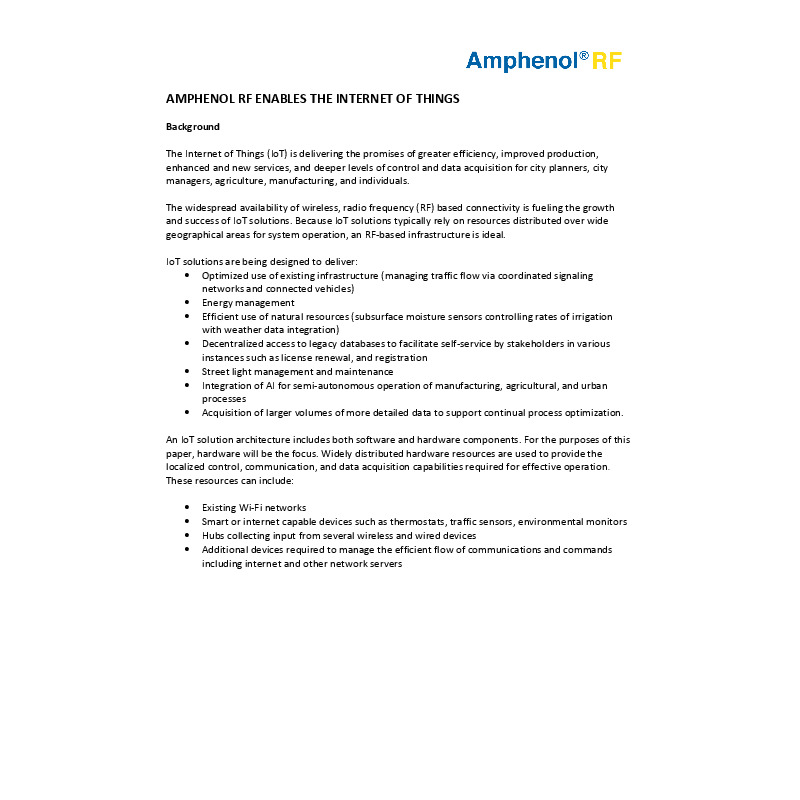
Warehouse automation is evolving from isolated machines into interconnected robotic ecosystems. AMRs, automated picking systems, machine vision, AI-enabled robotics and intelligent material-handling equipment all depend on the ability to collect, transmit and process data reliably. RF interconnects provide important connections throughout these systems, from antennas and wireless modules to cameras, sensors and compute platforms.
Amphenol RF offers a broad portfolio of RF solutions that can address these requirements, including AUTOMATE Mini-FAKRA for compact high-speed connectivity, SMP for high-frequency blind-mate applications, HD-AFI for high-float board-to-board connections and rugged TNC and N-Type interfaces for industrial wireless connectivity.
Amphenol RF also offers cable assemblies, adapters and custom RF interconnect solutions to help engineers address specialized electrical, mechanical, environmental and packaging requirements. As warehouse robotics becomes more intelligent, connected and autonomous, designing the RF signal path as an integral part of the system architecture can help enable the reliable communication these next-generation automation platforms require.
Explore Amphenol RF connectors and RF cable assemblies for factory automation and robotics applications.
Ressources connexes

.png)

.jpg)








Envoyez-nous un message
Veuillez remplir le formulaire ci-dessous ; nous vous contacterons très prochainement.
Les champs marqués d'un astérisque (*) sont obligatoires.