
Vehicle and Industrial Automation Connectivity in Future Designs
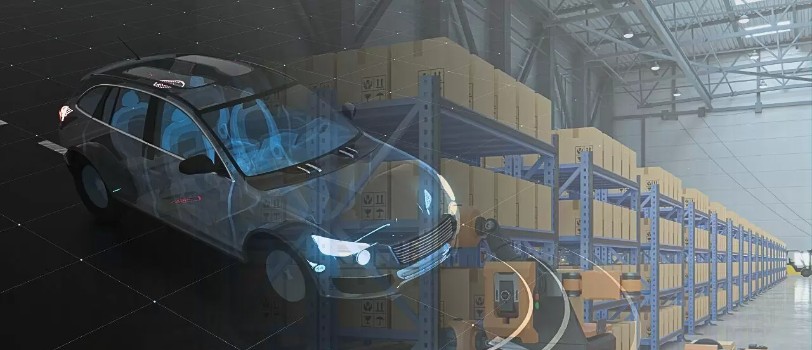
Automotive and industrial technologies were once developed largely for separate environments. Today, connected vehicles, industrial machinery and warehouse robots increasingly use similar combinations of cameras, sensors, onboard computing and wireless communication. Although each application has its own requirements, many rely on the same kinds of RF signal paths to move information between devices. This article looks at where these applications overlap, how camera and compute module designs are evolving, and which Amphenol RF solutions can support them.
Connectivity and Electrification in Vehicles:
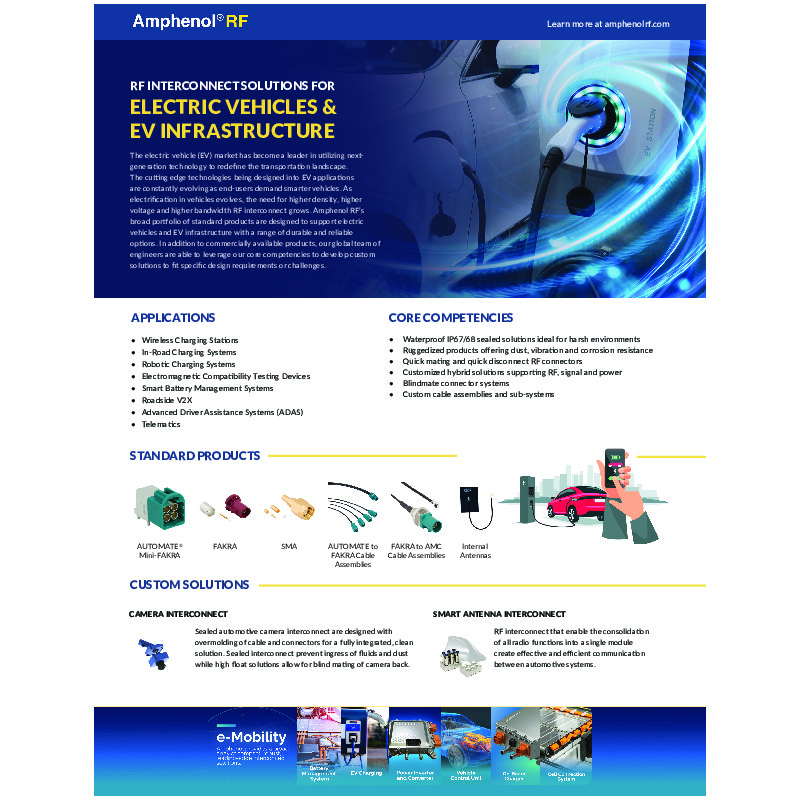
The automotive industry is undergoing a significant transformation, driven by technological advancements and environmental concerns. Connectivity and electrification are two key pillars shaping the future of vehicle design. Future vehicles will be equipped with advanced connectivity features enabling real-time data exchange. This connectivity includes vehicle-to-vehicle (V2V) and vehicle-to-infrastructure (V2I) communication, enhancing safety and traffic management. This has facilitated remote diagnostics, predictive maintenance and personalized services. In addition, the rollout of 5G networks will continue to provide ultra-fast, low-latency connections within vehicles which enables seamless streaming, augmented reality and faster software updates in vehicles.
The shift toward electric vehicles (EVs) is a central component of future vehicle design. Battery-electric vehicles (BEVs) and hybrid electric vehicles (HEVs) aim to reduce emissions and reliance on fossil fuels. Ongoing advancements in battery technology will lead to longer ranges, faster charging times and increased energy density. The expansion of charging networks that we’re seeing now, including fast-charging stations, will make EV adoption more convenient and widespread for those in both urban and rural areas.
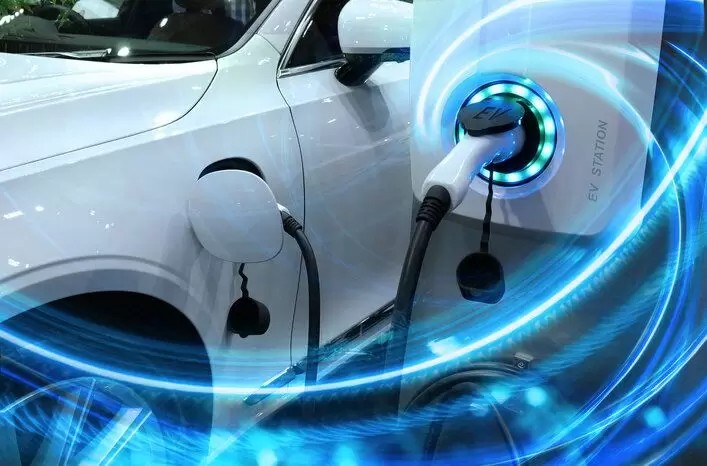
There are some clear benefits of the use of EVs. Electrifications reduces greenhouse gas emissions and air pollution, contributing to a greener transportation ecosystem. Connectivity enables advanced driver assistance systems (ADAS) and autonomous driving features, improving road safety. Connected vehicles also improve the user experience with infotainment and personalized services. There is also a lower operating cost for these types of vehicles, reduced maintenance and potential incentives such as tax credits.
Along with these benefits, as with any emerging technology, there are some challenges that exist within the EV market. The charging infrastructure currently available remains a challenge for adoption along with interoperability, for example, certain charging stations are only compatible with specific models of EVs. There are concerns about data privacy and cyber security as vehicles become more connected to the environment around them, sharing data, which will require robust safeguards. And, the term “range anxiety” has become commonplace among EV drivers, especially as they travel outside their everyday location.
The integration of connectivity and electrification in future vehicle design represents a fundamental shift in the automotive industry. These trends promise to deliver more sustainable, efficient and connected transportation options as the industry works through the initial challenges that are slowing widespread adoption.
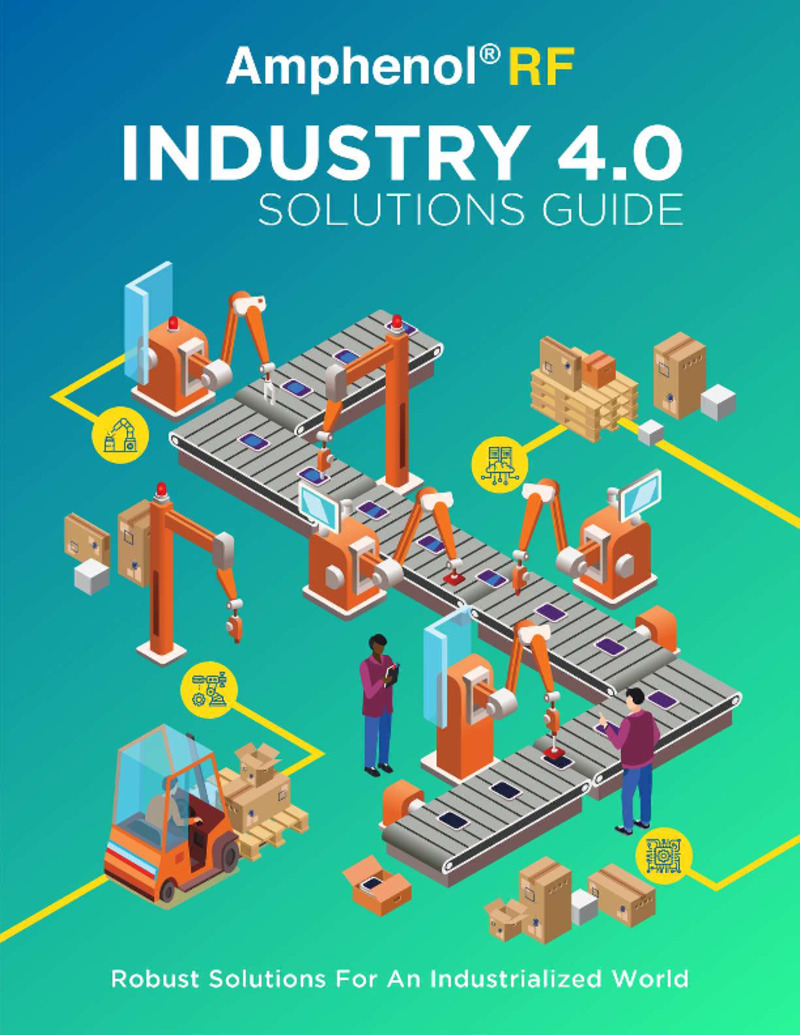
The fourth wave of the industrial revolution began within the last decade labeled Industry 4.0 or the Industrial Internet of Things (IIoT). This evolution in technology was a result of the integration of cyber-physical systems, the Internet of Things (IoT), big data analytics, cloud computing and artificial intelligence (AI), all of which began to permeate the industrial landscape and marry with historical processes. The combination provided the foundation for interconnected, intelligent and automated systems within manufacturing and other industrial sectors.
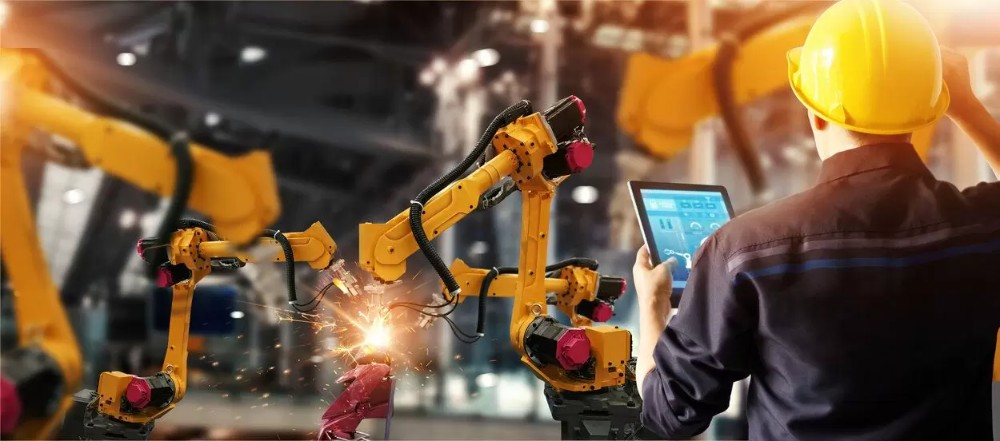
Similar to the evolution of the automotive industry, sustainability and environmental concerns are driving innovation in the area of renewable energy, waste reduction and resource efficiency as government agencies have begun to establish new regulations in the industrial space. The convergence of AI, robotics and IoT is leading to the development of smart factories and autonomous systems. The technologies require infrastructure that allows for higher data transfer speeds with space-conscious RF interconnect and waterproof IP67-rated solutions to support the versatility of this technology.
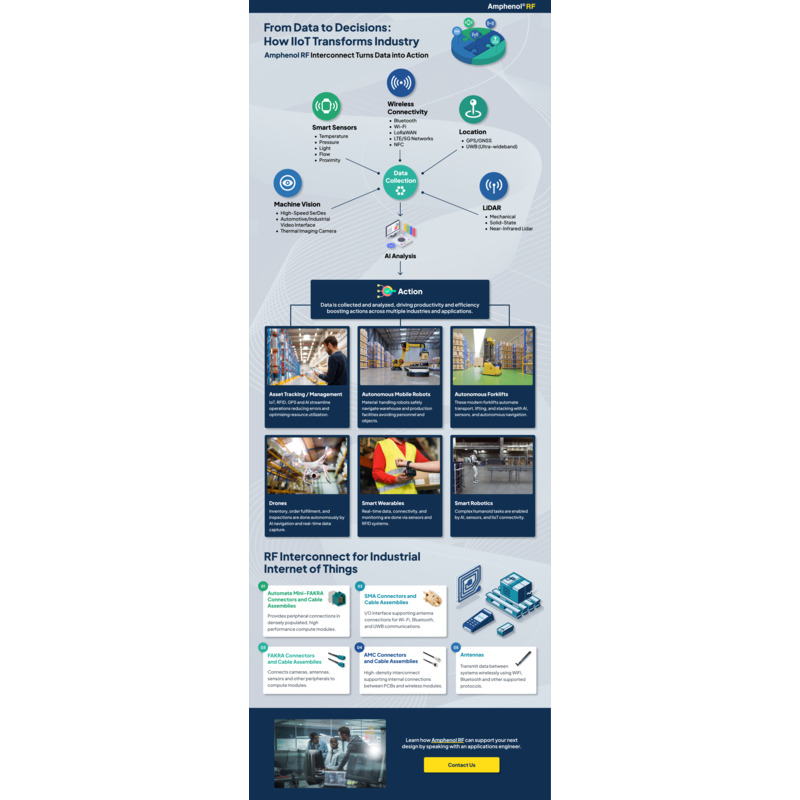
Vast amounts of data are generated by sensors, devices and interconnected systems with industrial environments that needs to be collected and analyzed in real-time. This is used to optimize processes and enhance decision-making which in turn creates a safer, more cost-efficient manufacturing operation.
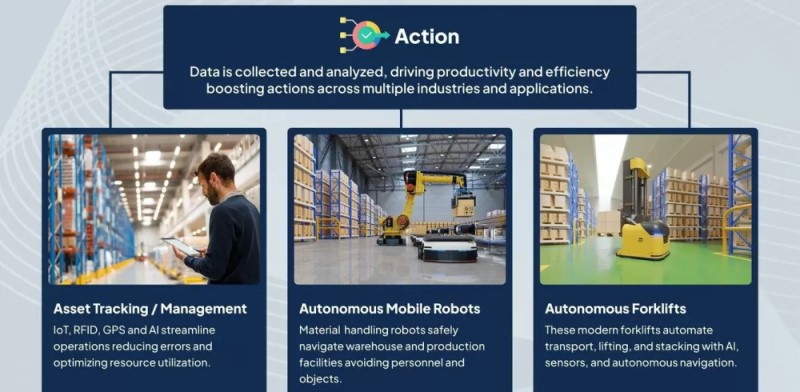
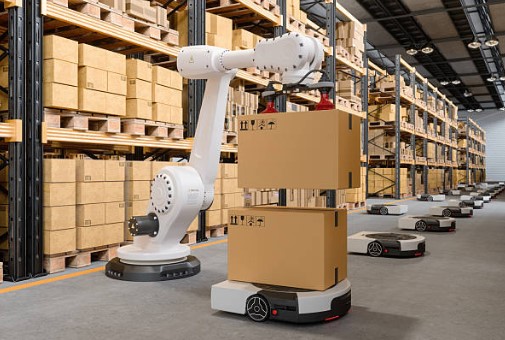
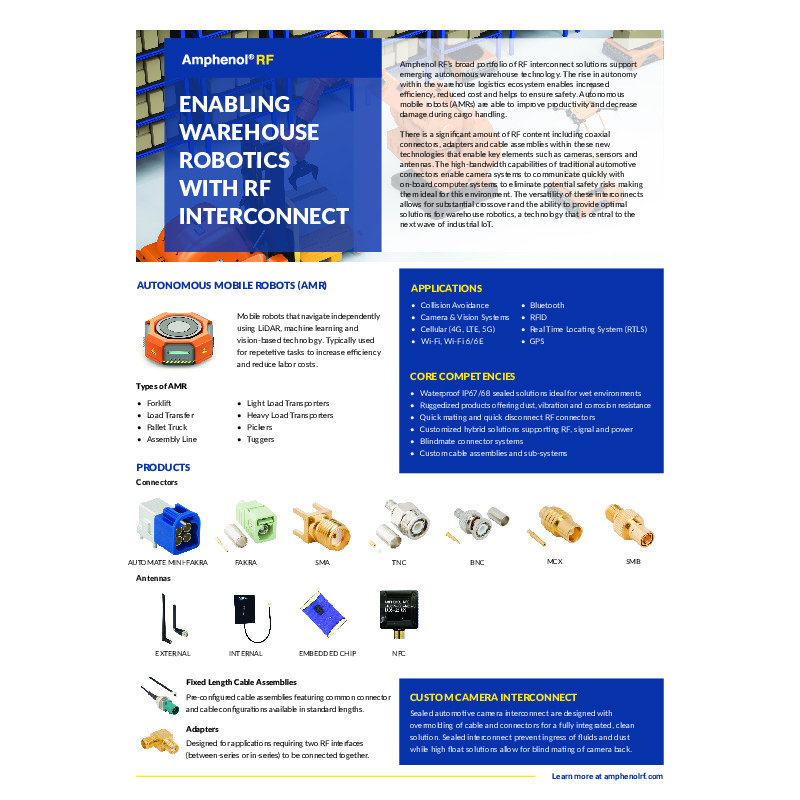
The use of warehouse robotics within warehouse and distribution center operations perform various tasks related to inventory management, order fulfillment and logistics previously done manually by skilled labor. Some of these tasks are now completely automated while others are done in collaboration with human interaction, these robots are nicknamed cobots, which are designed to work alongside human operators. The increased use of robotic technology overall results in improved efficiency, accuracy and productivity in handling goods within a warehouse environment.
Warehouse robotics systems are continually evolving with advancements in artificial intelligence, machine learning and sensor technology, enabling warehouses to become more automated, intelligent and responsive to the demands of modern supply chains. These robotics solutions play a crucial role in enabling companies to optimize their warehouse operations.
Markets and Applications:
Automotive:
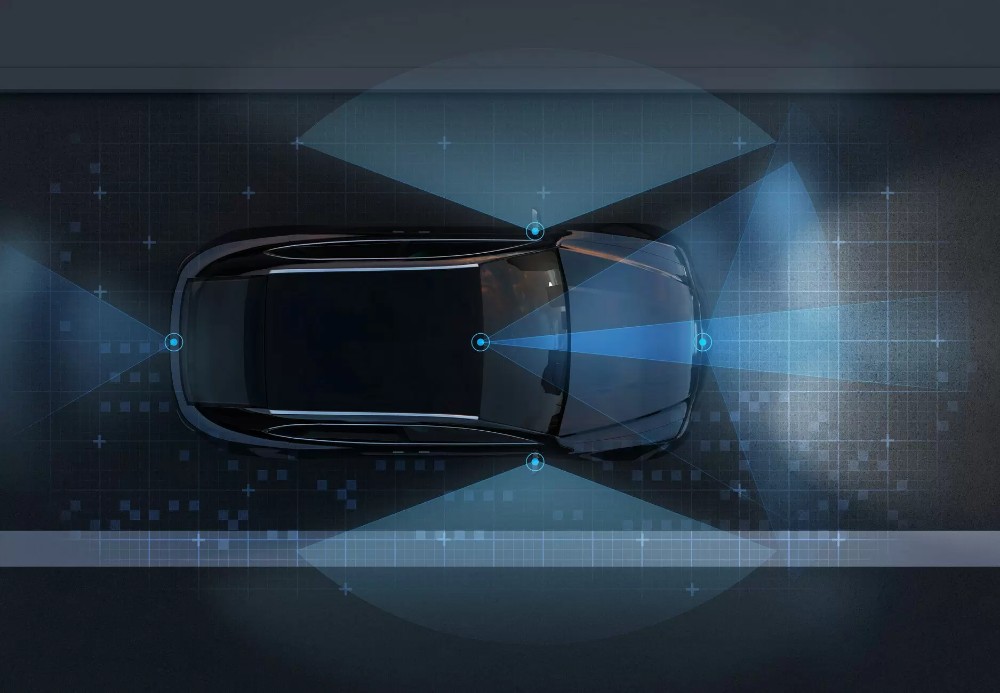
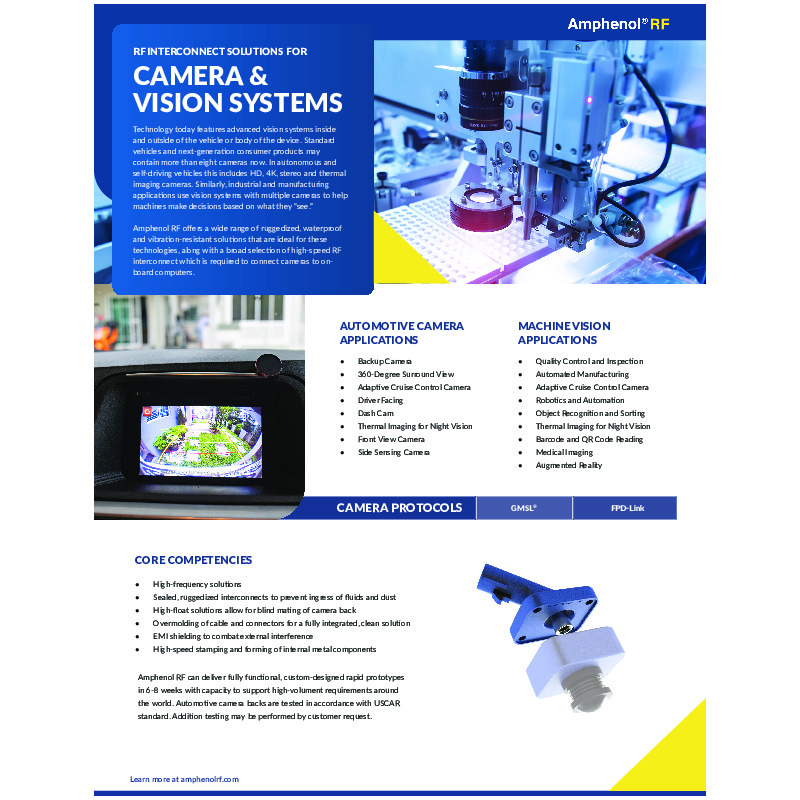
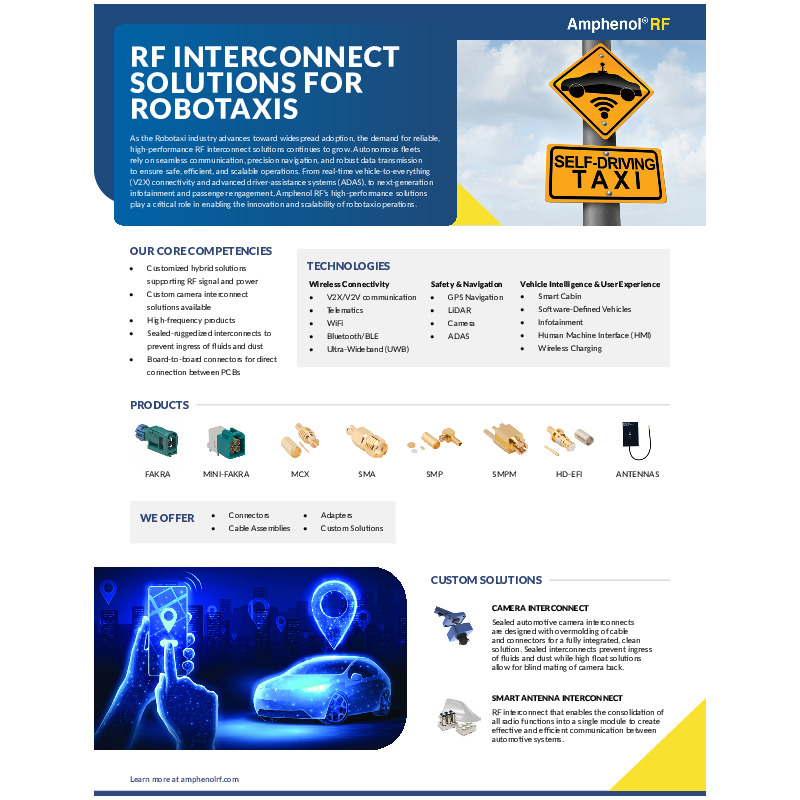
Within the automotive industry there has been a sharp increase in camera applications that are used to support new designs related to autonomous driving which is a key element within connected and electric vehicles. Camera modules in vehicles are a vital part of the shift towards safer, more convenient and more efficient transportation systems. They empower vehicles with the ability to “see” and interpret their surroundings improving both driver safety and the overall driver experience.
Cameras and camera modules are used in connected and electrified vehicles in the following ways:
-
Rearview Cameras – Often mandated by safety regulations in many regions, provide a clear view of what’s behind the vehicle when reversing. These cameras help drivers to avoid collisions with pedestrians, obstacles and other vehicles in blind spots.
- 360-Degree Surround View Cameras – Multiple camera modules strategically placed around the vehicle create a bird’s-eye view which aids in parking and maneuvering in tight spaces.
- Forward-Facing Cameras – Mainly used in ADAS to monitor the road ahead they enable advanced features like lane departure warning, lane-keeping assistance and adaptive cruise control.
- Adaptive Headlights – Cameras can adjust the direction and intensity of headlights based on driving conditions, vehicle speed and steering angle. This feature improves visibility while minimizing glare for oncoming drivers, reducing accidents. • Traffic Sign Recognition – Identifying and interpreting traffic signs, displaying important information on the vehicle’s dashboard is done by cameras in the vehicle. This helps drivers stay aware of speed limits, no-entry signs and other road regulations.
- Pedestrian Detection and Collision Avoidance – Camera modules are often part of these systems that alert the driver and even trigger automatic braking to prevent collisions with pedestrians or cyclists.
- Animal Detection – Some vehicles use cameras to detect and warn drivers of animals crossing the road, reducing the risk of accidents.
- Driver Monitoring – In-cabin cameras monitor the driver’s behavior, alerting them if signs of drowsiness or distraction are detected. These systems enhance driver safety by encouraging attentiveness.
- Interior Monitoring – Cameras inside the cabin can also be used for security and monitoring purposes, ensuring the safety of passengers and deterring theft or vandalism.
- Night Vision – Infrared cameras can provide a night vision display to help drivers see pedestrians and animals in low-light conditions.
- Enhanced Parking Assistance – Cameras assist in various parking-related tasks such as parallel parking, perpendicular parking and automated parking systems.
- Autonomous Vehicles – Camera modules, often paired with other sensors like LiDAR and radar, are crucial for autonomous vehicles, providing real-time data to make driving decisions.
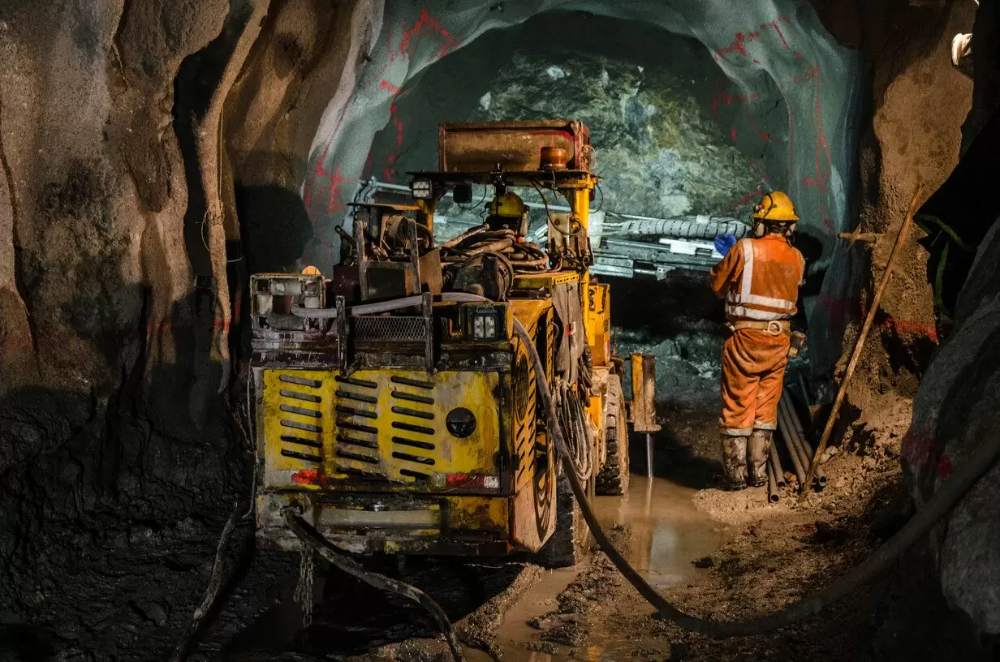
Heavy Equipment & Industrial Vehicles:
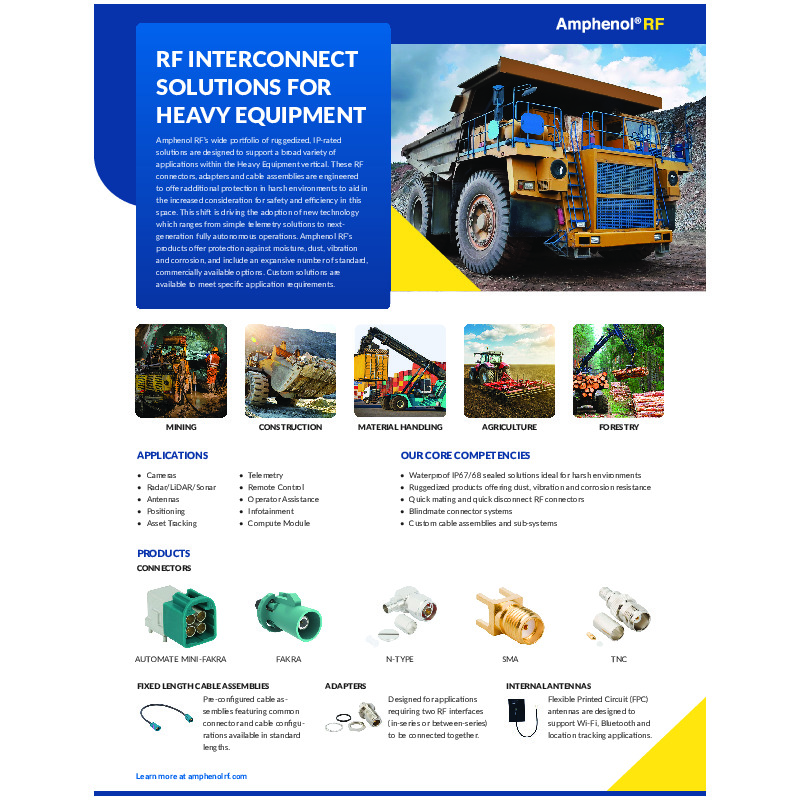
Similar to commercial vehicles, camera modules play a significant role in heavy equipment and industrial vehicles in order to enhance safety, productivity and operational efficiency. The features supported by cameras reduce downtime and improve overall effectiveness of the equipment and workforce, while providing operators with crucial information to make informed decisions and mitigate potential risks. Camera modules in this context are commonly used in the following applications:
- Rearview Cameras: Heavy machinery, such as bulldozers, excavators and dump trucks, have rearview cameras to help operators have a clear view of what’s behind the vehicle, aiding in safe reversing and maneuvering. These cameras help to prevent accidents which often occur in congested construction sites where there are extensive blind spots.
- 360-Dregree Surround View Cameras: Multiple cameras strategically positioned around the vehicle to provide a comprehensive view of the vehicle’s surroundings, reducing blind spots and assisting in navigation.
- Operator Monitoring: Placed at various points inside the vehicle to provide operators with a better view of their workspace while monitoring the driver’s behavior and alertness, preventing accidents caused by fatigue, distraction and improper operation.
- Load monitoring camera: Used in forklifts and heavy loaders, these cameras help operators accurately position the equipment’s load for safe lifting and placement.
- Crane Positioning Cameras: Assists operators in precisely positioning booms, cranes or arms critical for tasks like digging, lifting and placing heavy loads.
- Bucket/Blade Positioning Cameras: Help operators accurately position buckets, blades, or other attachments on construction and earth-moving equipment.
- Remote Control Cameras: Provides a real-time view for operators or control centers when vehicles are operated remotely or autonomously.
- Thermal Cameras: Offers improved visibility in low-light or dusty environments by detecting heat signatures, assisting with detection of overheating or potential hazards.
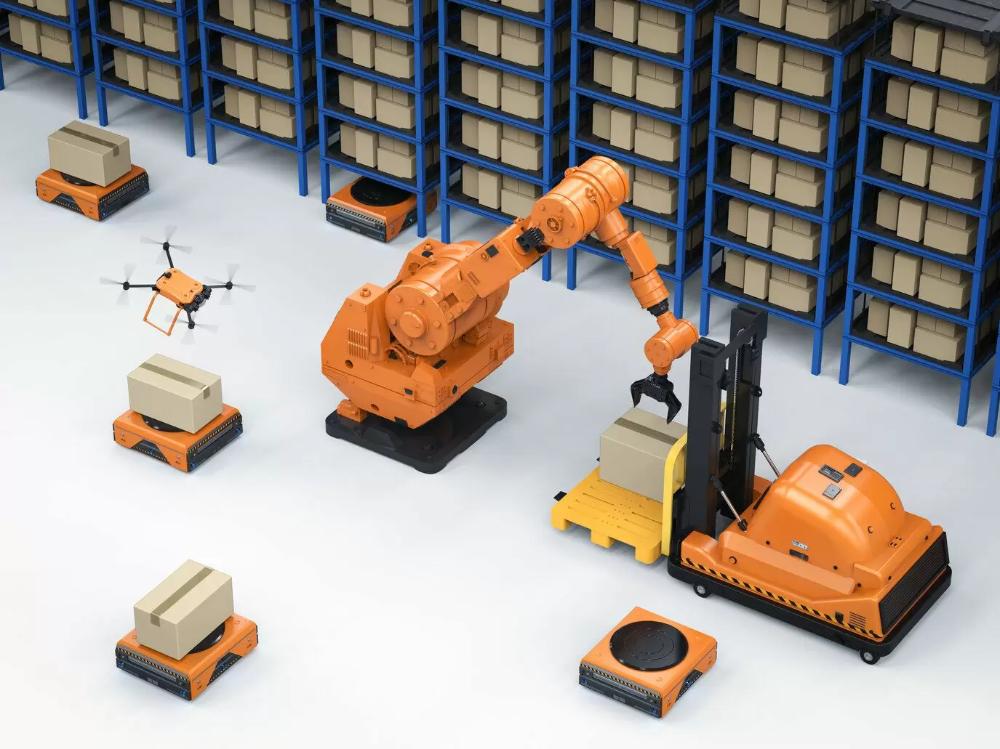
Warehouse Robotics:
Warehouse robotics utilize similar technology as automotive designs to provide visual perception and navigation capabilities that enable these robots to operate efficiently and safely within a warehouse environment. Cameras enable them to interact with their surroundings, perform tasks accurately and efficiently, and enhance safety. As robotics technology continues to advance, the role of cameras in factory automation is expected to expand, driving greater efficiency and productivity in logistics and distribution operations.
Within this vertical, camera modules are typically used for the following applications:
- Navigation: Cameras help robots navigate through the warehouse by capturing images of the environment, identifying landmarks, and detecting obstacles. These cameras include those designed specifically for low-light conditions.
- Object Detection and Recognition: These cameras enable robots to identify and locate objects, shelves, pallets and other items within the warehouse. This information allows the robots to plan alternative routes and avoid collisions.
- Barcode and QR Code Scanning: Cameras equipped with barcode or QR code recognition capabilities help robots identify and track inventory items accurately. This plays a key role in inventory management and order fulfillment.
- Pick-and-Place Operations: Used in robotic arms or grippers, these cameras assist in identifying and securely picking up items from shelves, bins or pallets. Visions systems ensure precise alignment and handling of goods.
- Palletization and Stacking: Cameras assist in stacking and arranging items on pallets.
- Remote Monitoring: Live video feeds allow operators or supervisors the ability to monitor robot operations remotely which allows for troubleshooting and real-time decision making.
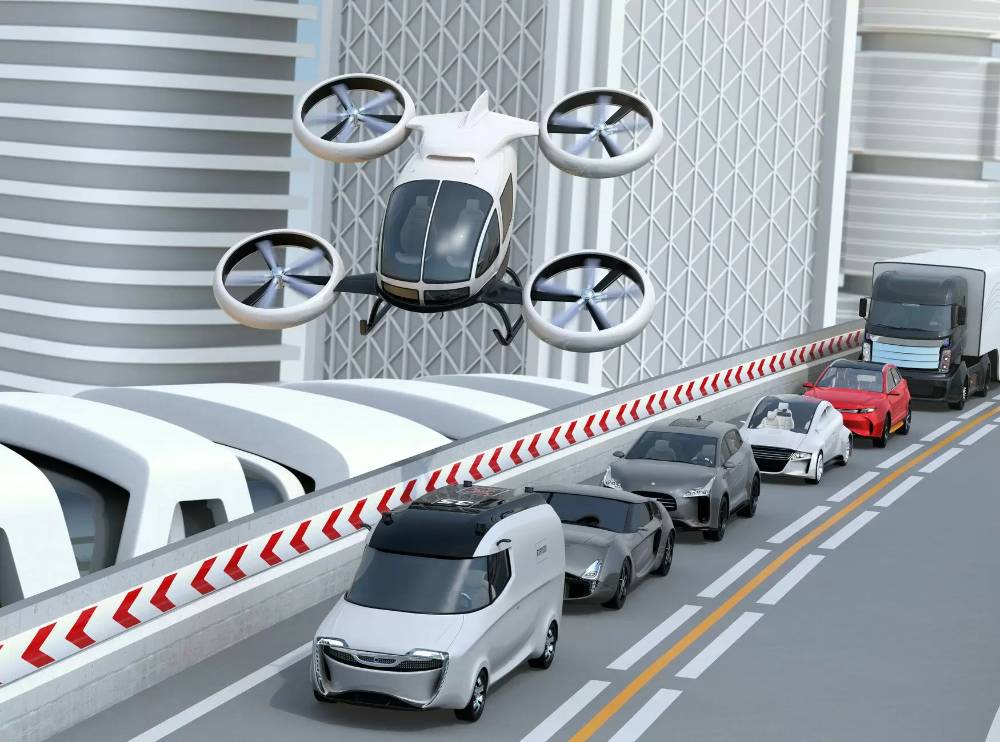
Urban Air Mobility:
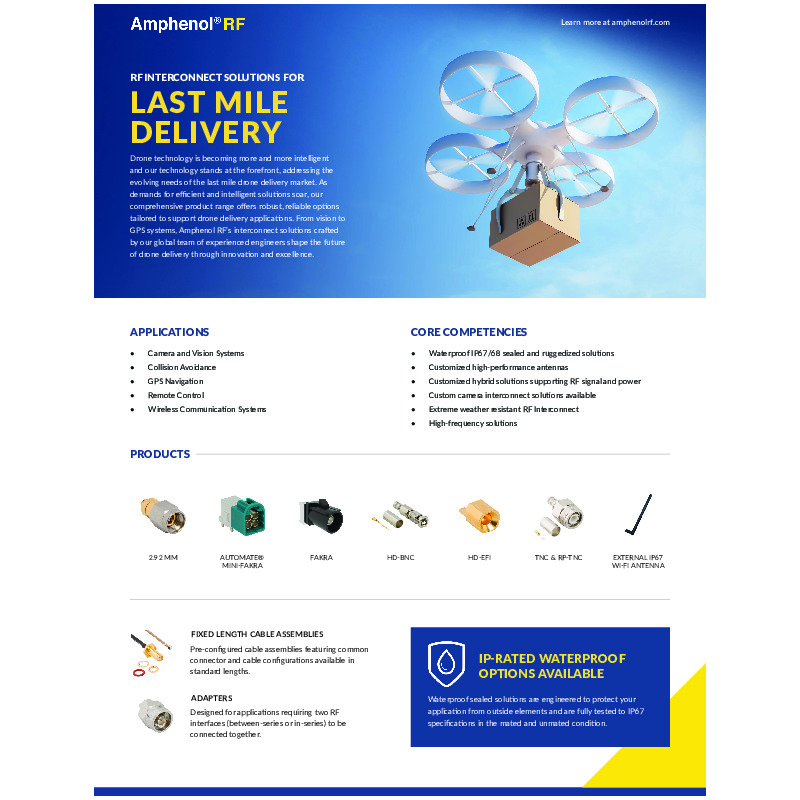
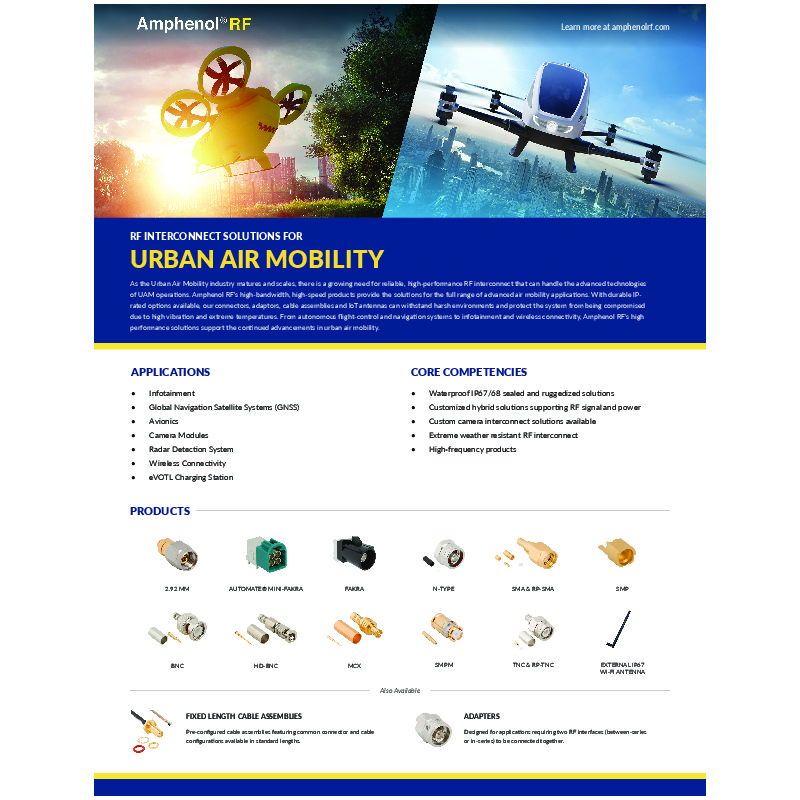
The development and operation of urban air mobility (UAM) systems, which include electric vertical takeoff and landing (eVTOL) aircraft and drones designed for urban transportation rely on cameras as a key component within their design. They support functionality that is integral for piloting, navigation, monitoring and decision making which contributes to the successful integration of aerial transportation for these heavily populated areas.
Camera modules within this application support the following features:
-
Navigation and Collision Avoidance: Cameras assist in real-time navigation by detecting obstacles, other aircraft, and potential hazards to ensure safe flight paths and collision avoidance.
- Terrain and Obstacle Mapping: Capture images of detailed 3D maps of the urban environment, helping aircraft navigate complex landscapes and urban structures.
- Traffic Monitoring: Used to monitor and manage air traffic in urban airspace, ensuring efficient routing and safe separation between UAM vehicles.
- Passenger and Occupant Monitoring: Inside the aircraft, cameras can monitor passengers, ensure seatbelt use and enhance security during flight.
- Landing and Docking: Assist pilots or autonomous systems in precise landing and docking maneuvers on designated platforms or landing zones.
- Surveillance and Security: Used for monitoring the aircraft during flight, as well as for security and surveillance purposes at landing and takeoff locations. This helps to deter unauthorized access and provide evidence in the event of an incident.
- Package and Cargo Monitoring: For cargo-carrying UAM vehicles, cameras can monitor the condition of packages and cargo during transit.
Trends Shaping Camera Module Design:
Camera module technology is continuously evolving to meet the growing demands for safety, autonomous driving and enhanced driver experience. There are four main trends that are shaping this.
- Miniaturization: As the trend towards smaller and more compact automotive camera modules continues, the demand for slimmer, smaller and lighter components will continue to rise.
- Autonomy: Camera modules are crucial for autonomous driving and ADAS, providing real-time data for perception, object detection and decision-making algorithms. This trend leads customers to look for high-frequency and reliable connectors to have more sophisticated cameras.
- Ruggedization: Automotive camera modules need to withstand harsh environmental conditions, including temperature variations, vibrations and exposure to elements. Durability is essential to ensure the longevity and reliability of camera performance over the vehicle's lifespan.
- Increased Resolution: Increasing demand for high-resolution cameras in vehicles, including 4K and even 8K, is leading to the need for higher frequency connectors.
Camera Module Manufacturing Technologies
Camera modules contain components that must be formed, assembled and integrated at production scale. Stamping and Forming can create metal parts such as housings and brackets. Metal sheets are cut and shaped, then the formed parts may be assembled or welded. Features for lenses, cable routing and printed circuit boards (PCBs) can be incorporated into the design.
For suitable high-volume parts, stamping can reduce material waste and processing time compared with machining. The original article cited potential raw-material savings of up to 90% and processing-time reductions of 75% or more. Those figures are highly dependent on the part and manufacturing process and should be supported by a specific comparison before publication. Tooling costs can also be substantial, so production volume affects the economics.
Overmolding uses polymer material around another component or material to create an integrated part. Depending on the design, it can incorporate sealing features or complex shapes. Insert molding places a component, such as a metal contact, into a mold before plastic is formed around it. This can combine a contact and insulator into one assembly. The resulting environmental rating, including any IP rating, must be confirmed for the finished design rather than assumed from the manufacturing method.
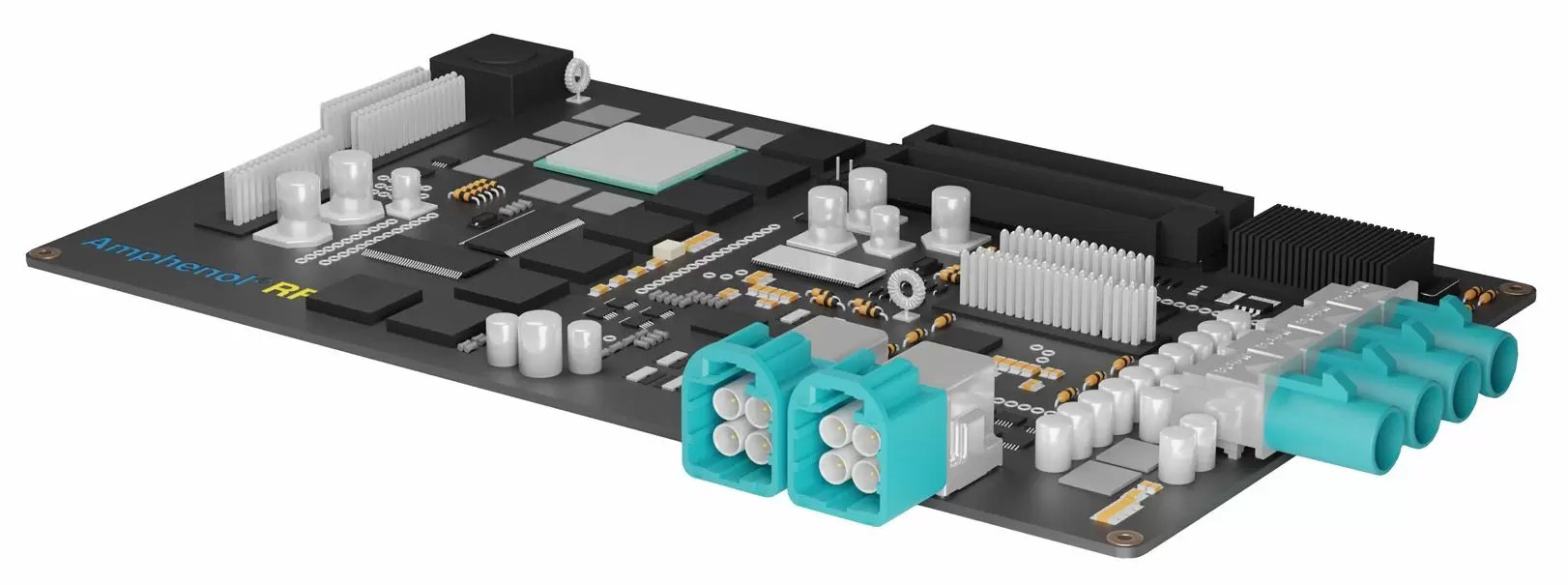
Compute Modules:
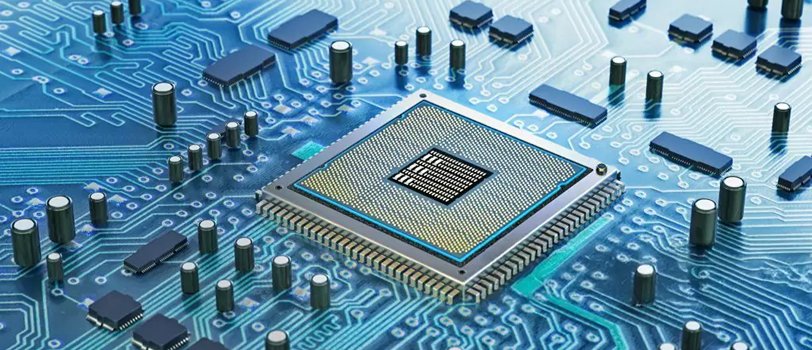
Compute modules process information from cameras and other sensors and support decisions made by a vehicle or robot. RF interconnects may link these modules to antennas, communications equipment and sensing systems. Common computing tasks include:
- Sensor Fusion and Perception: Combining information from cameras, LiDAR, ultrasonic sensors, encoders and other sources to interpret the surroundings. A vehicle may use this information to identify lane markings or traffic signs; a robot may use it to recognize objects and obstacles.
- Localization and Mapping: Determining position and orientation, creating or using maps, and helping a vehicle or robot navigate its environment.
- Path Planning and Decision Making: Evaluating the destination, surroundings and current conditions to plan a route. In a vehicle, this may involve speed, braking and lane decisions. In a warehouse, it may involve routes through aisles and the priority of assigned tasks.
These functions rely on the complete electrical and computing architecture. The RF connection is one component of that system.
Amphenol RF Solutions:
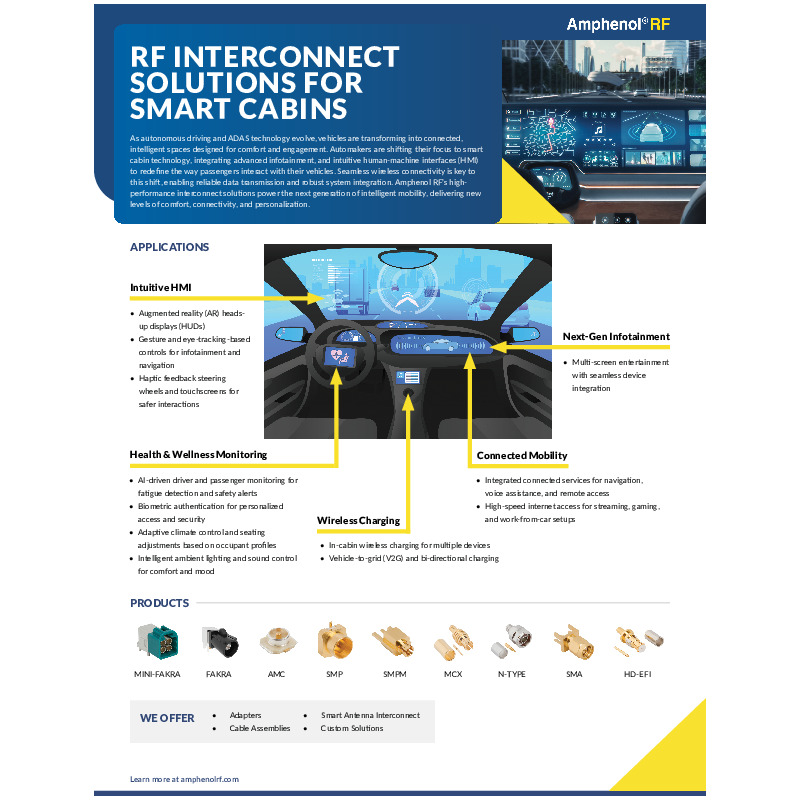
Automotive and industrial designs need different combinations of size, mechanical durability and RF performance. Amphenol RF offers interfaces ranging from ultraminiature connections to ruggedized, multi-port products. For example, AMC4 has a 2 mm × 2 mm board footprint. Amphenol RF documentation distinguishes its 0.6 mm height off the board from its 1.4 mm mated height.
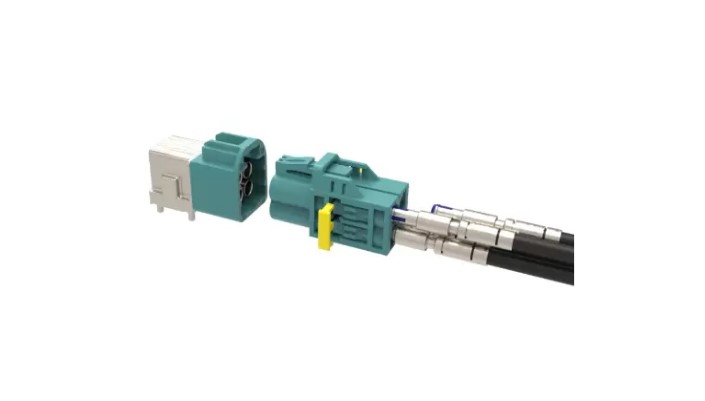
RF interconnects can be used within camera systems, infotainment and telematics equipment, compute modules or electronic control units (ECUs), and vehicle wire harnesses. Design considerations may include multi-port housings, sealed configurations, and preconfigured cable assemblies. Terminal position assurance (TPA) helps retain contacts within a housing; connector position assurance (CPA) helps secure the mated connector pair. Availability depends on the selected product configuration.
Popular RF interfaces used in these applications include:
- AUTOMATE® Mini-FAKRA Connectors (Quad-port, Dual-port, Single-port)
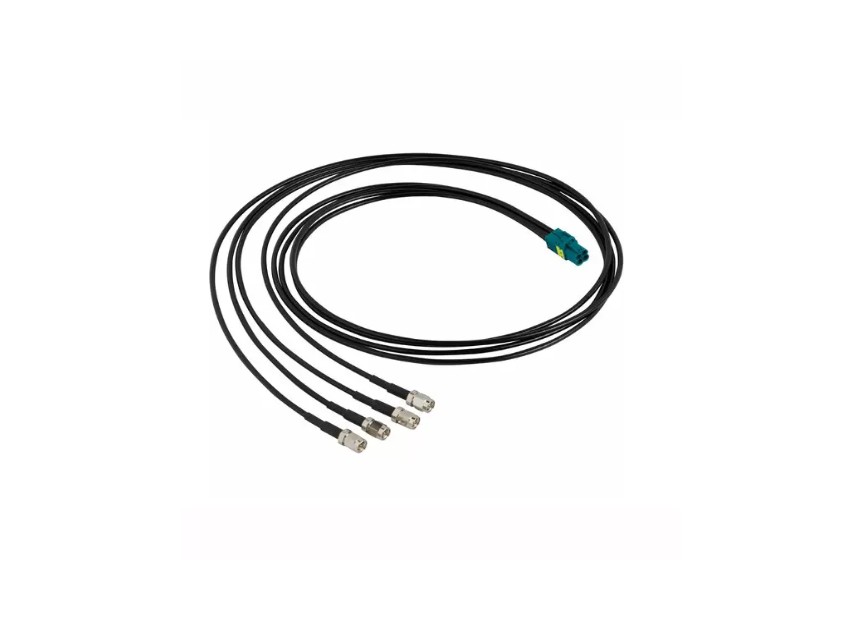
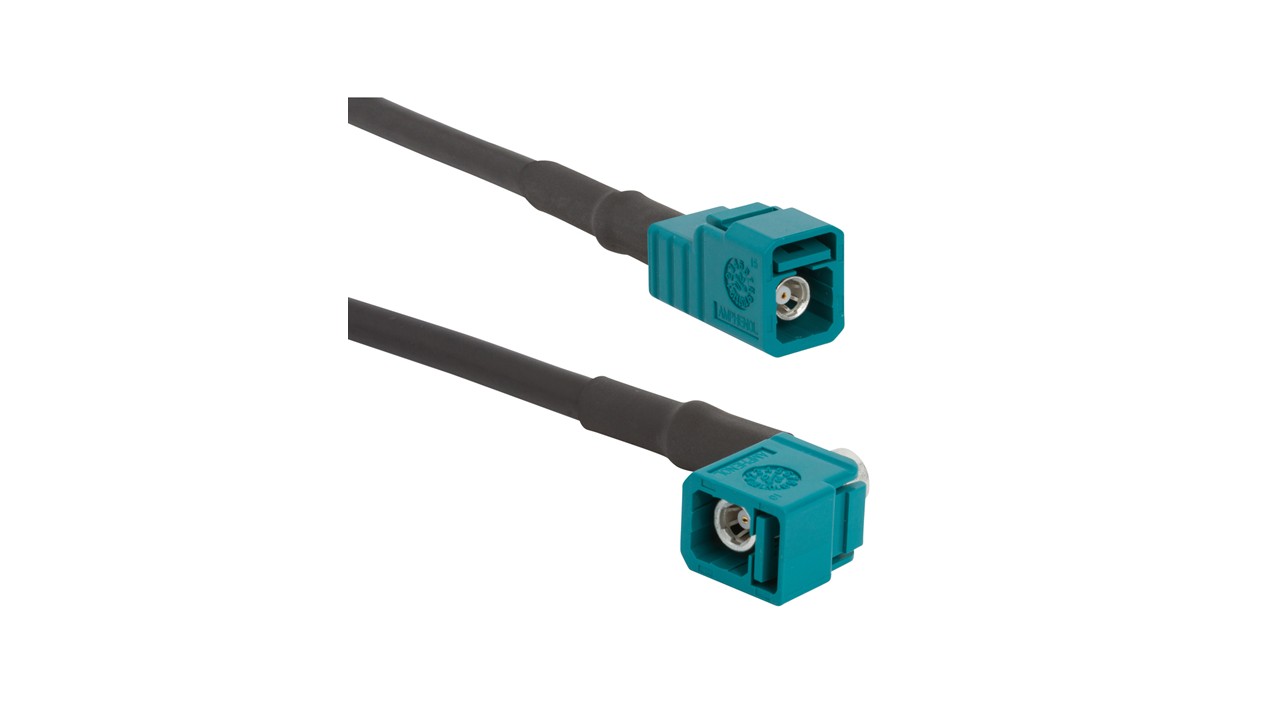
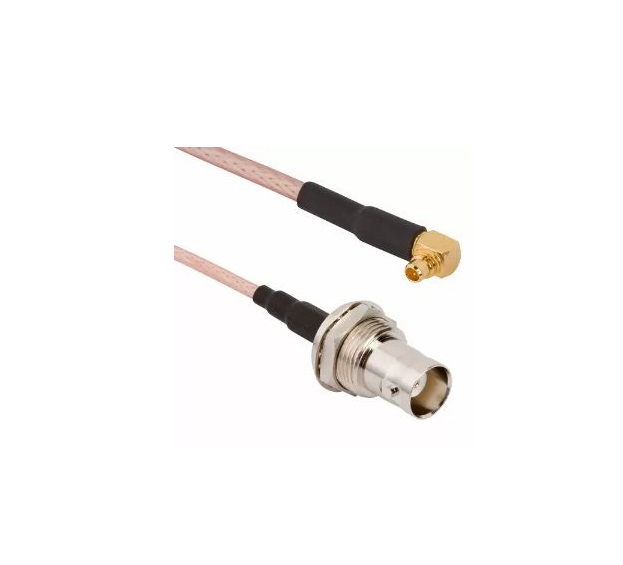
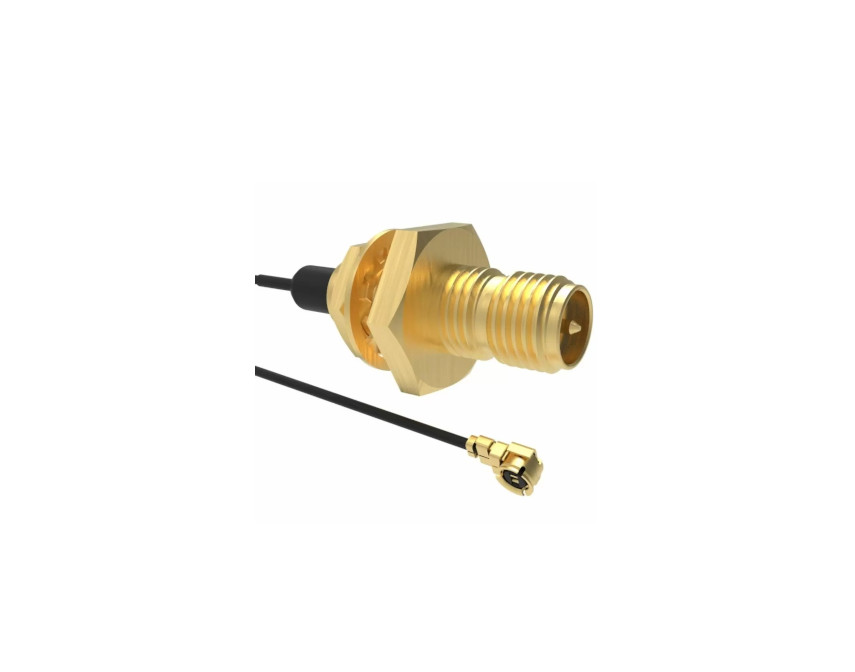
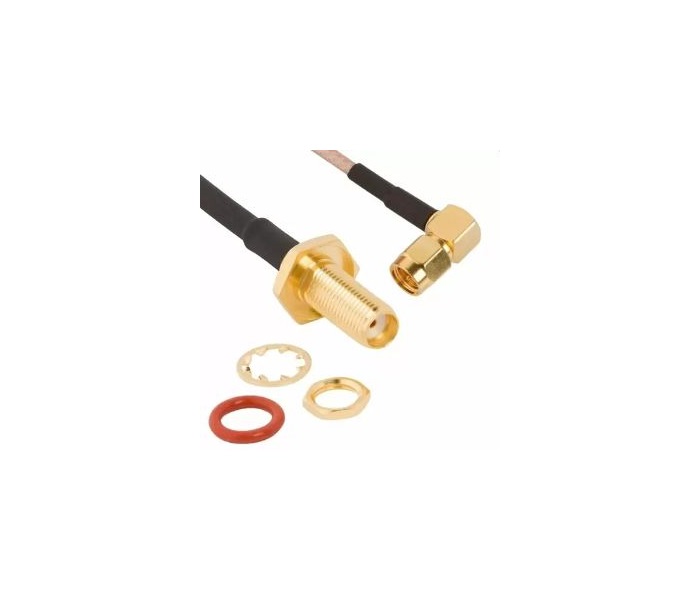
- AUTOMATE® Mini-FAKRA Cable Assemblies (Mini-FAKRA to Mini-FAKRA, Mini-FAKRA to FAKRA, Mini-FAKRA to SMA)
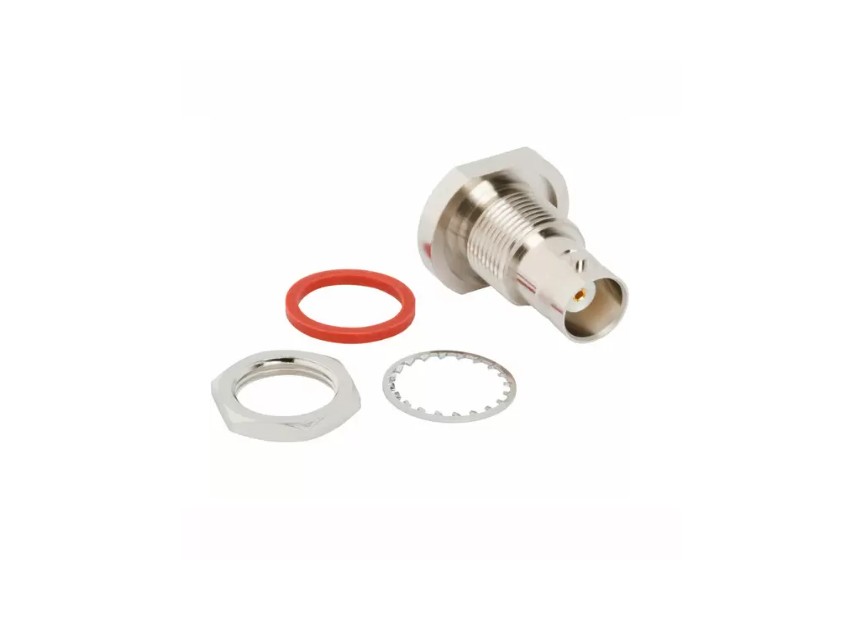
- FAKRA Connectors (IP69K Sealed and floating options)
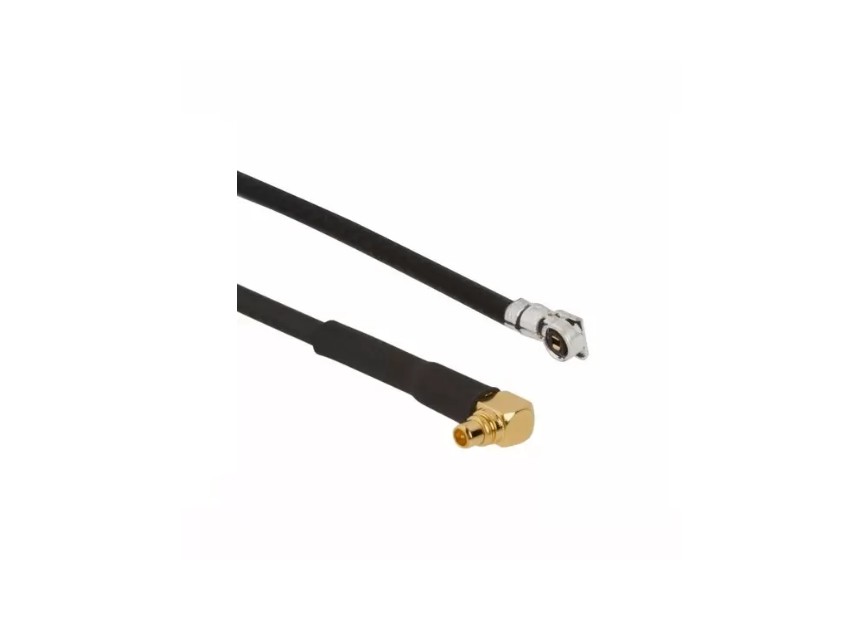
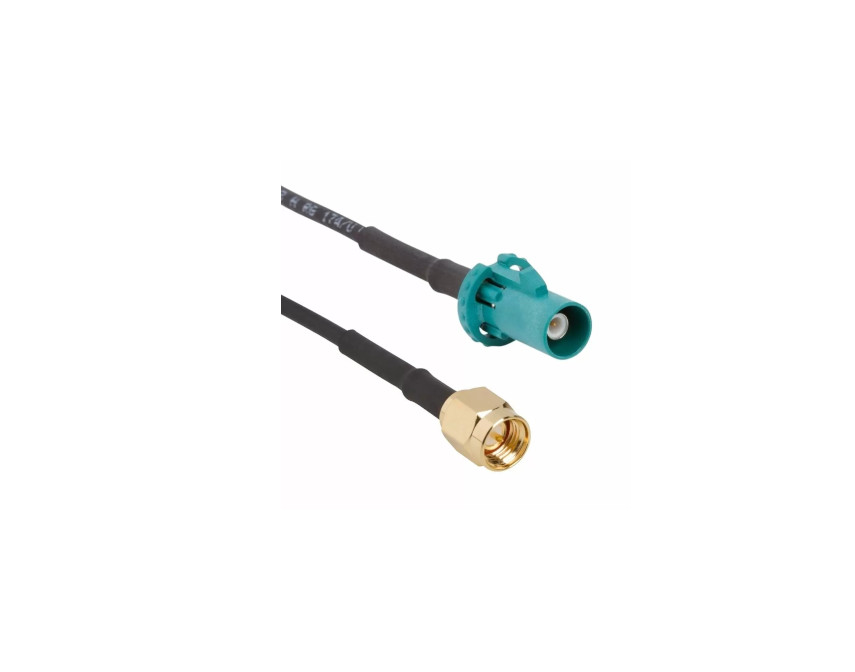
- FAKRA Cable Assemblies (FAKRA to FAKRA, FAKRA to AUTOMATE, FAKRA to SMA)
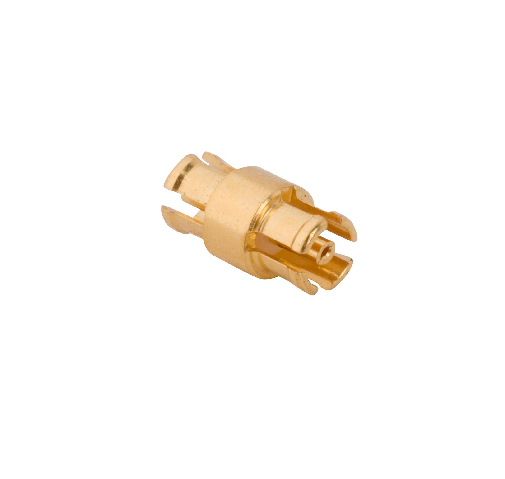
- Board-to-Board Solutions for Space Restricted Applications (AFI, HD-AFI, UD-AFI, HD-EFI, PSMP, SMP, SMPM) Compute modules require similar RF interconnect. Learn more about how Amphenol RF supports this technology in our RF Interconnect for Compute Modules blog post.
Compute modules require similar RF interconnect. Learn more about how Amphenol RF supports this technology in our RF Interconnect for Compute Modules blog post.
Ressources connexes
.png)

.jpg)






Envoyez-nous un message
Veuillez remplir le formulaire ci-dessous ; nous vous contacterons très prochainement.
Les champs marqués d'un astérisque (*) sont obligatoires.