
Miniaturization Is Reshaping RF Connectivity for Smart Home Devices

Smart home devices are becoming smaller, smarter and more connected. Engineers are adding wireless capabilities to security cameras, video doorbells, thermostats, appliances, sensors, hubs, energy-management equipment and home robots, often without increasing the size of the enclosure.
That creates a practical design challenge: how can a device accommodate more wireless functions while controlling space, complexity and cost? Miniaturization means making effective use of every millimeter available while meeting the performance and reliability requirements of the complete product.
Why smart home designs are becoming more RF-dense:
A device that once needed one wireless connection may now include multiple radios, antennas, sensors and processing functions. Depending on the application, designers may need to accommodate Wi-Fi, Thread, Bluetooth, cellular, GNSS or other technologies within the same enclosure. They must also manage power consumption, heat, electromagnetic interference (EMI) and a crowded printed circuit board (PCB).
As a result, selecting an RF interconnect involves more than matching impedance and frequency. Engineers also need to consider:
- PCB footprint and mated height
- Cable diameter and routing flexibility
- Insertion loss and signal integrity
- Connector retention and mating reliability
- Antenna placement and isolation
- Environmental protection
- Assembly and manufacturing requirements
- Use across multiple product configurations
These decisions affect one another. A smaller connector may free board space, for example, but its cable still needs a suitable route and its antenna still needs an effective location.
Four RF design priorities for smaller smart home devices:
1. Maximize PCB space:
Every component competes for space inside a compact device. Low-profile and ultraminiature RF interfaces give engineers more flexibility to position radios, processors, sensors and antennas.
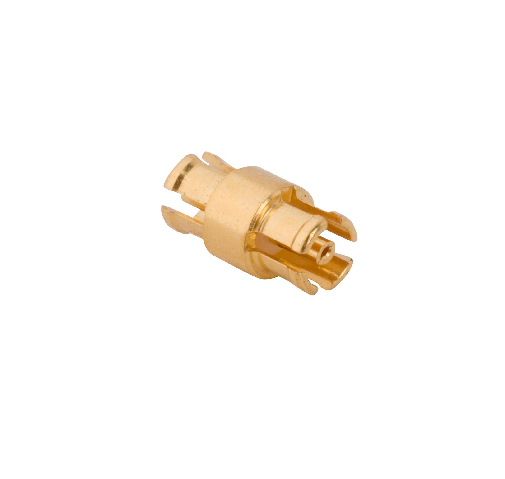
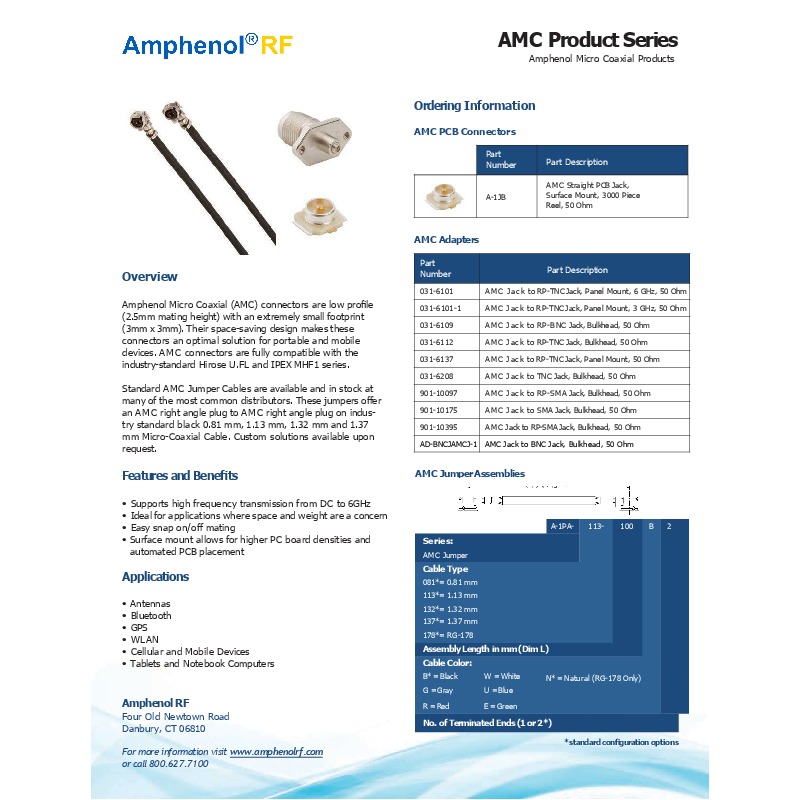
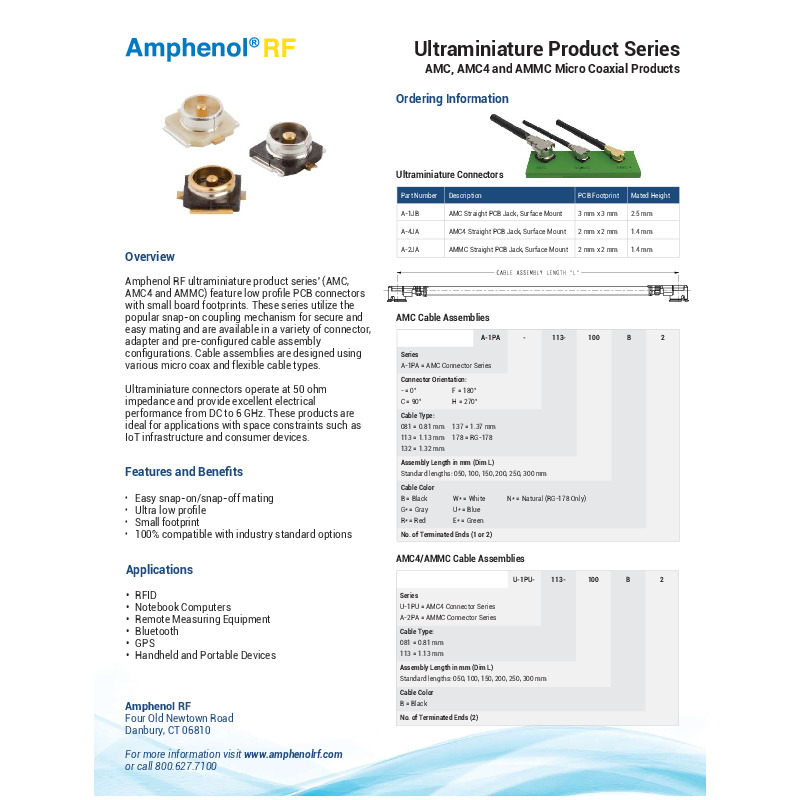
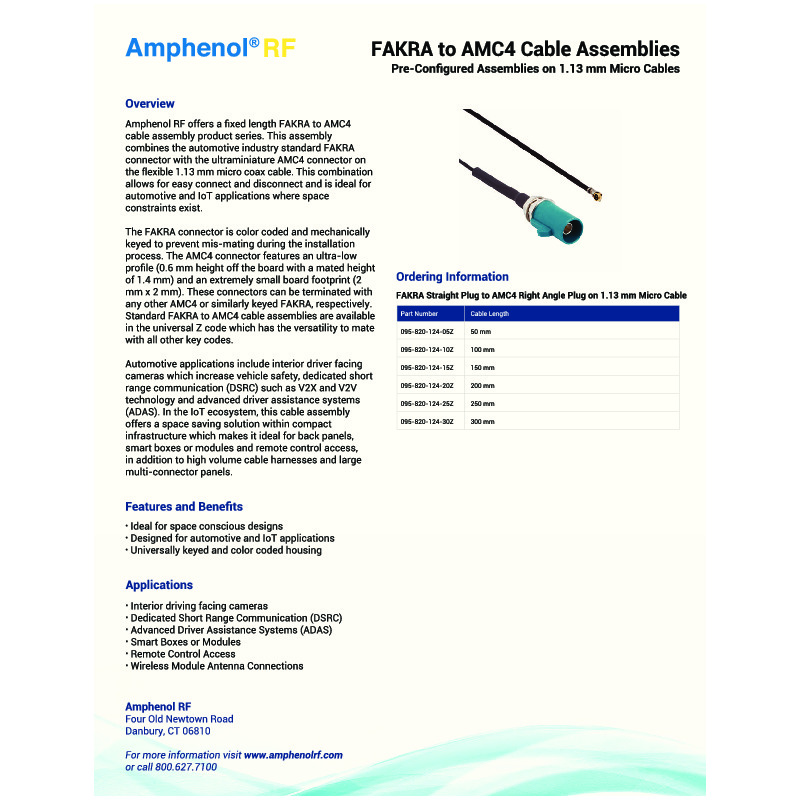
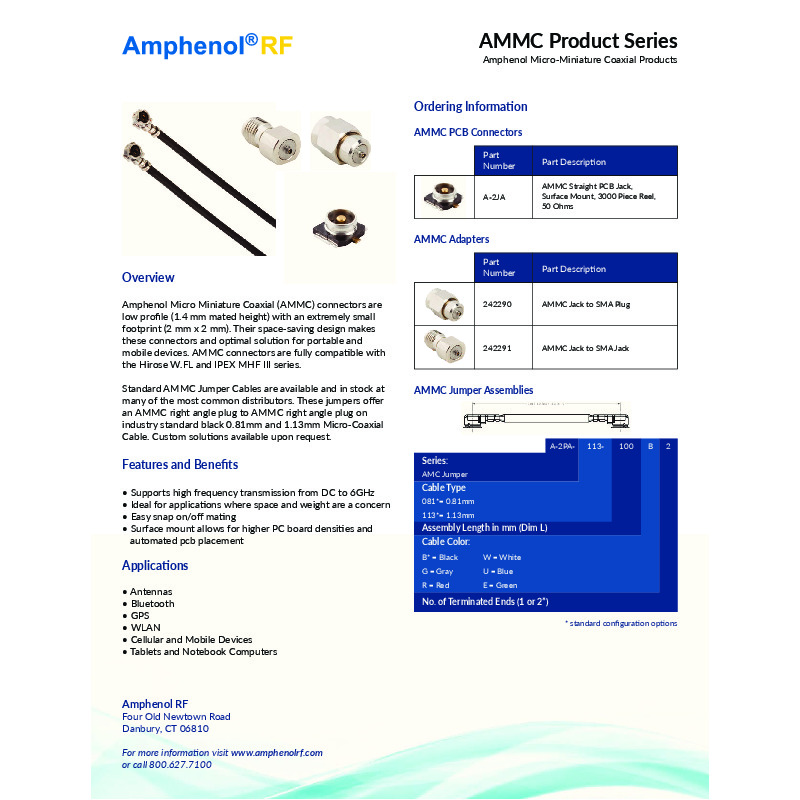
Amphenol RF’s AMC, AMC4 and AMMC families provide compact 50-ohm interfaces for space-constrained designs. AMC has a 3 mm × 3 mm footprint and a 2.5 mm mated height. AMMC reduces those dimensions to a 2 mm × 2 mm footprint and a 1.4 mm mated height. The choice depends on the board layout, cable and mating requirements.
2. Protect signal integrity as designs become denser:
Miniaturization brings antennas, RF components, processors and other electronics closer together. Impedance control, shielding, cable selection, antenna isolation and RF routing therefore need attention early in the design.
A smaller connector is useful only if the complete signal path meets the system’s electrical requirements. Amphenol RF offers miniature and ultraminiature options across its MCX, MMCX, AMC, AMC4 and AMMC families. Engineers should evaluate the selected connector and cable configuration at the frequencies used by the device.
3. Consider the complete RF path:
A connector does not operate in isolation. Cable length and diameter, connector orientation, antenna placement and PCB layout all influence how the RF path fits and performs.
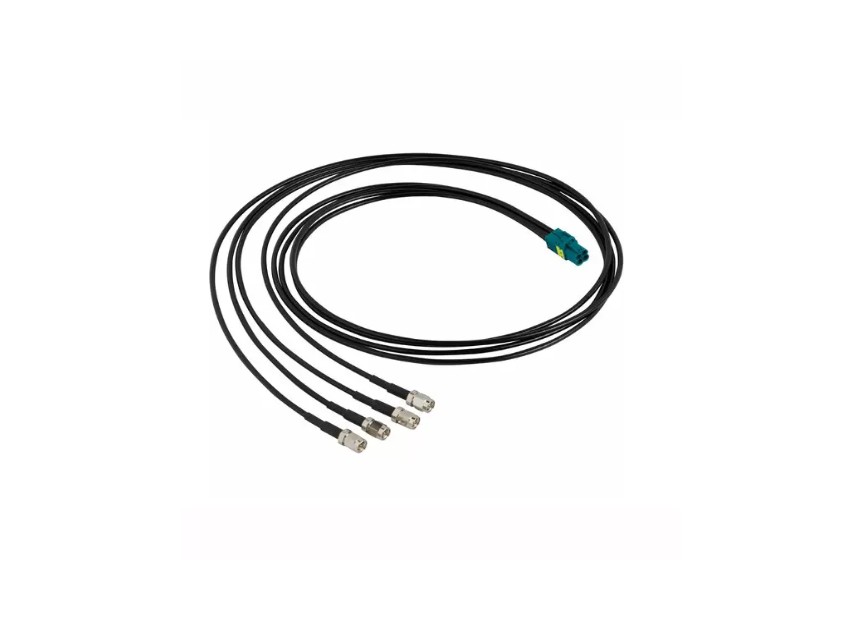
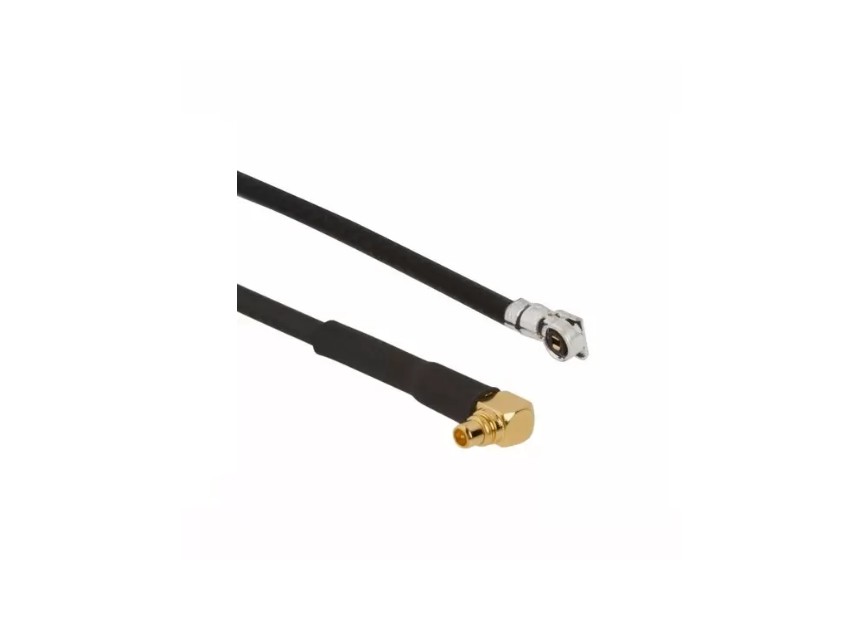
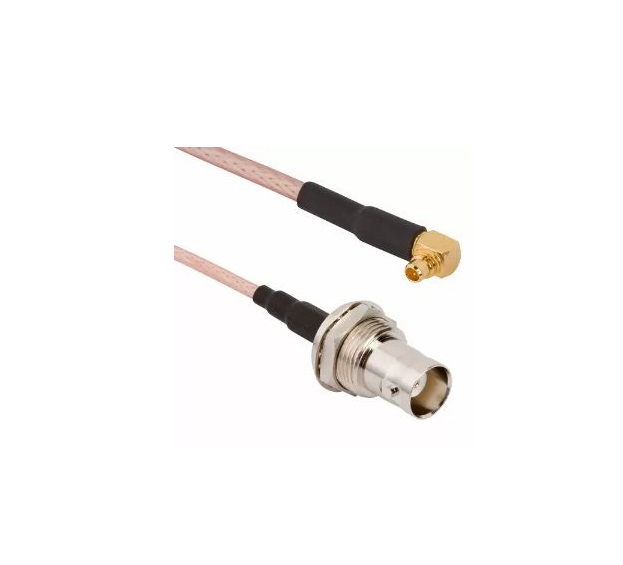
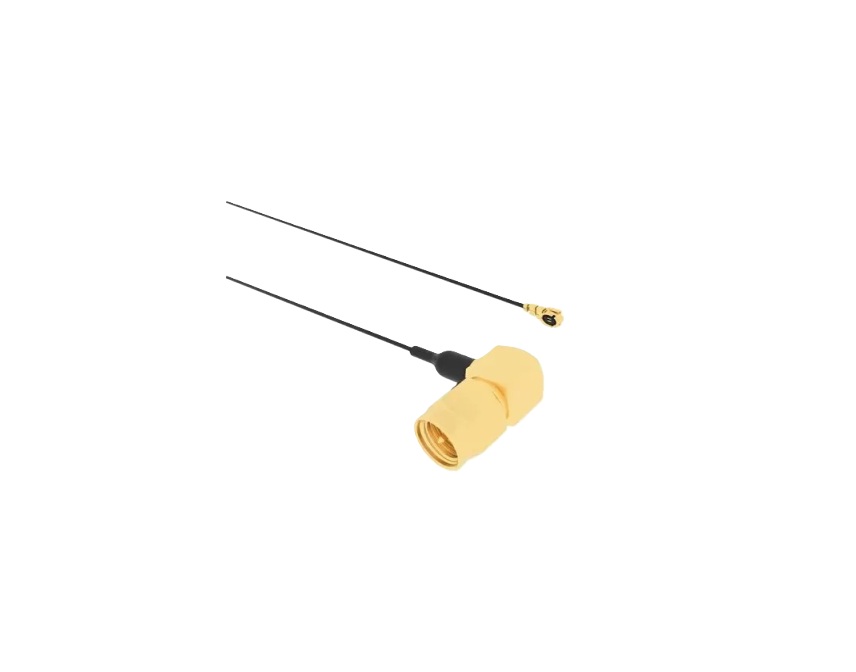
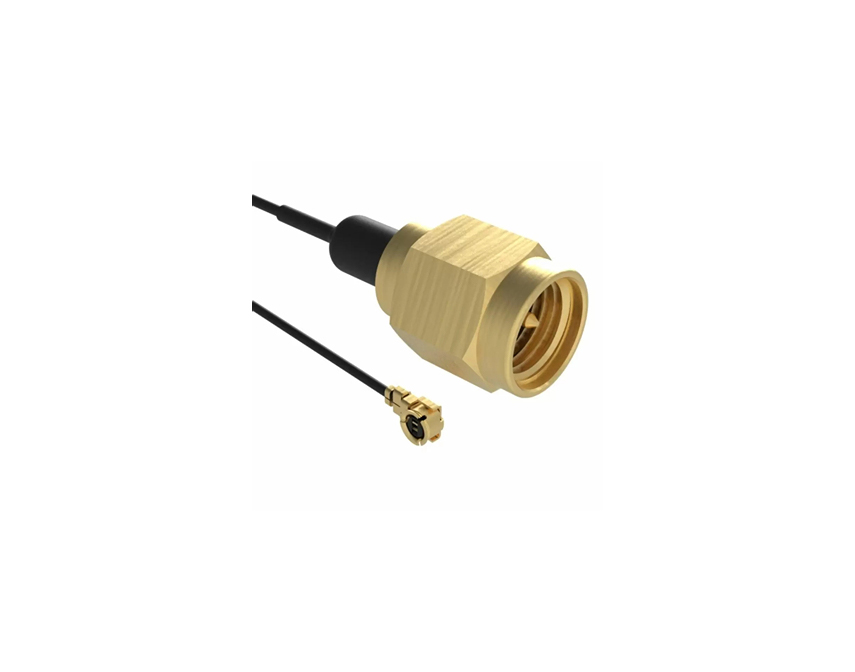
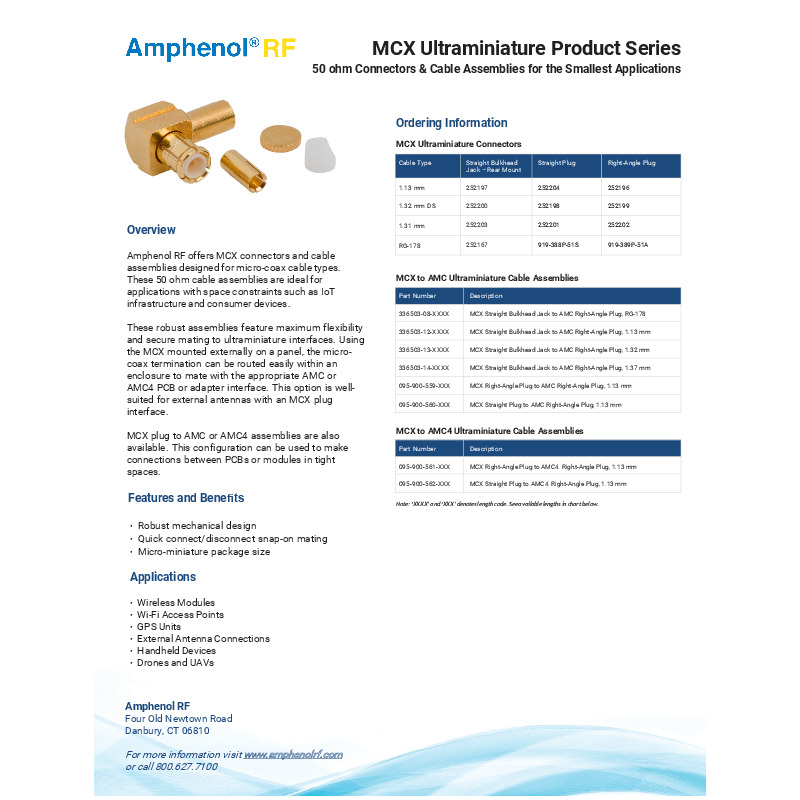
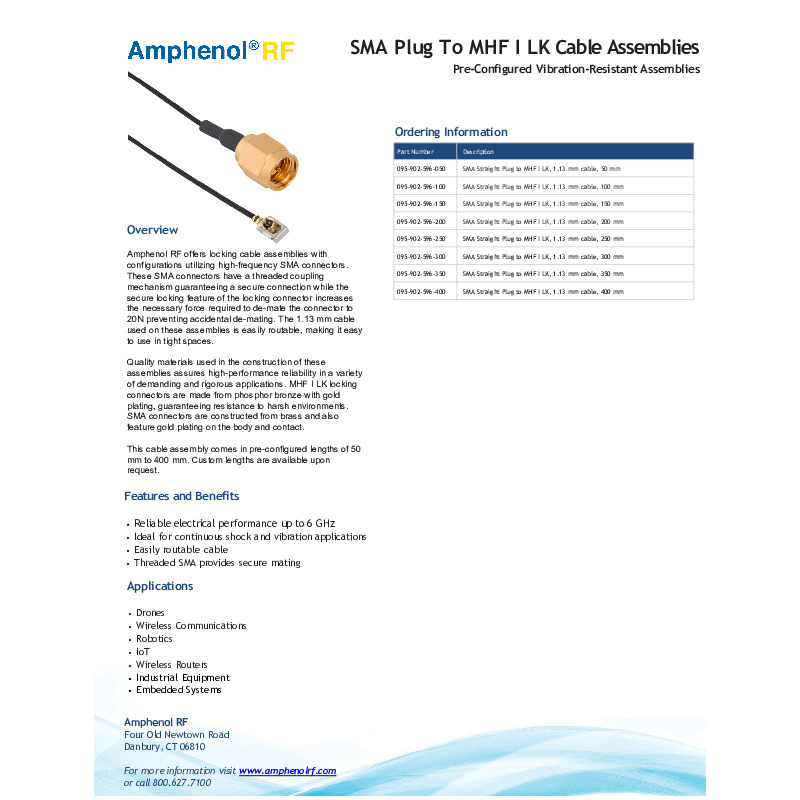
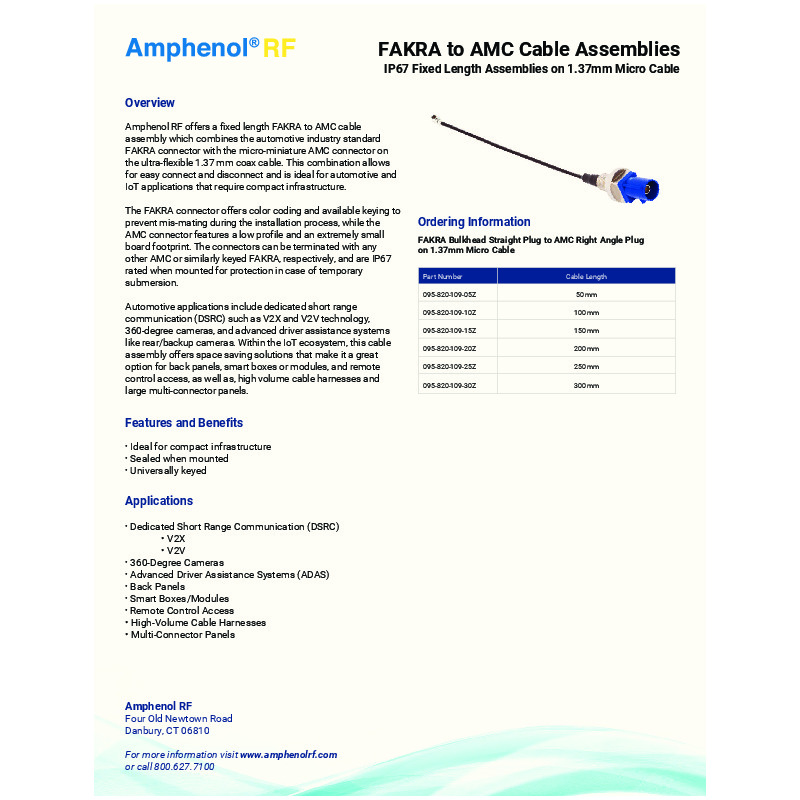
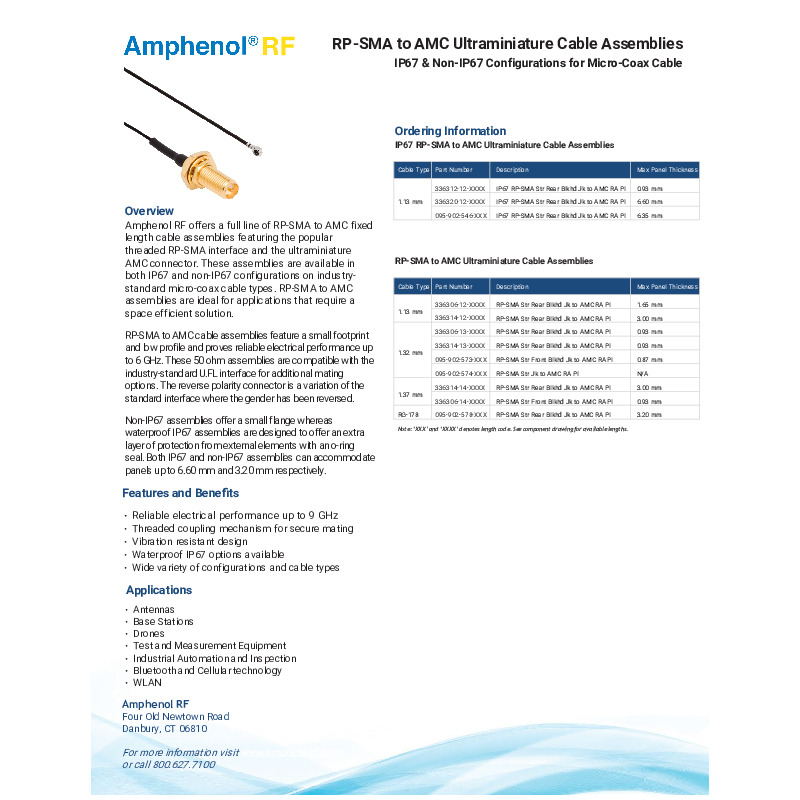
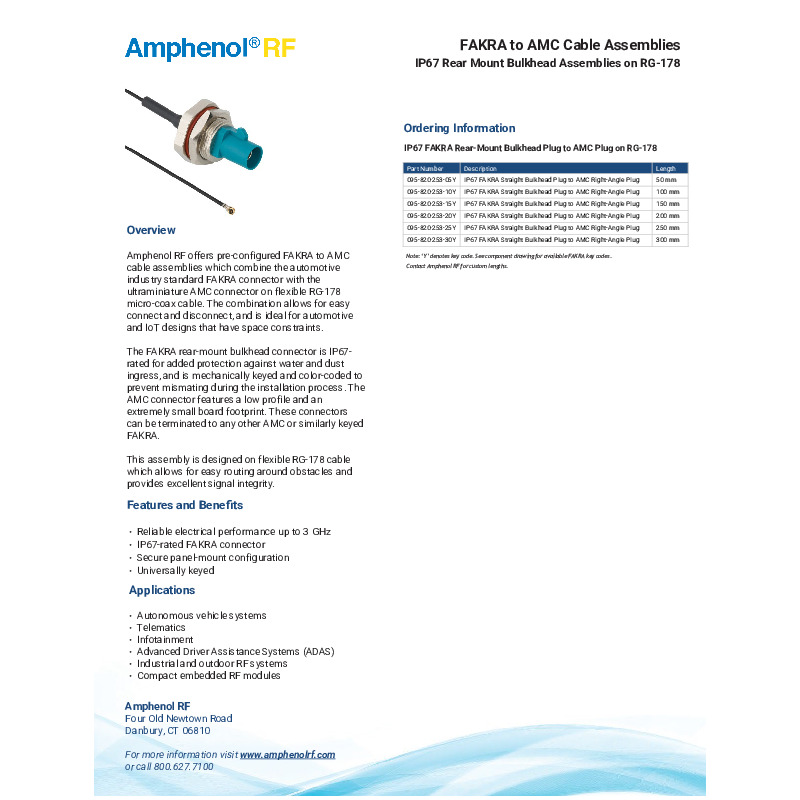
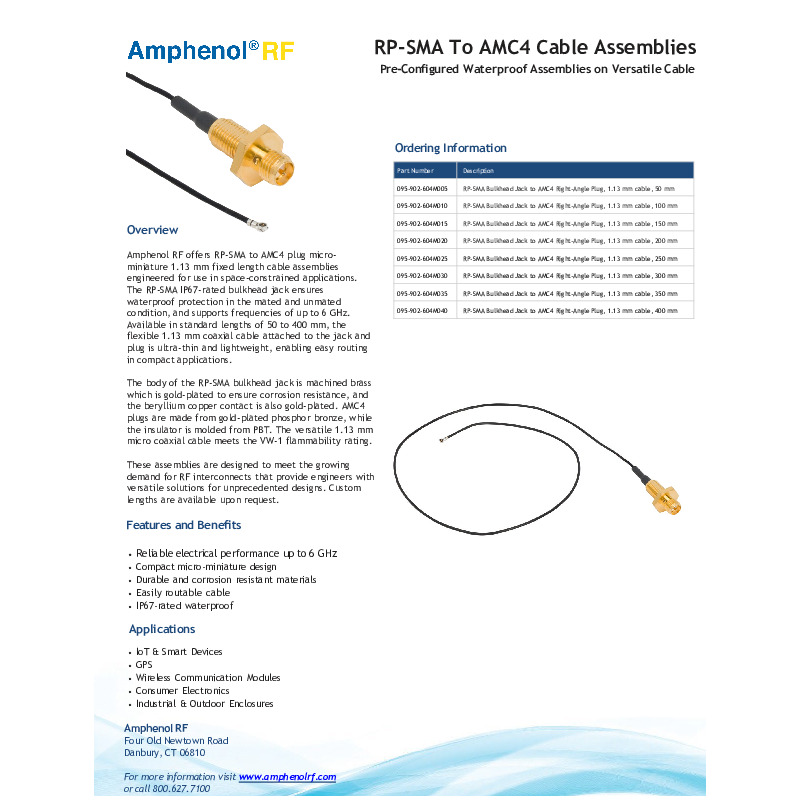
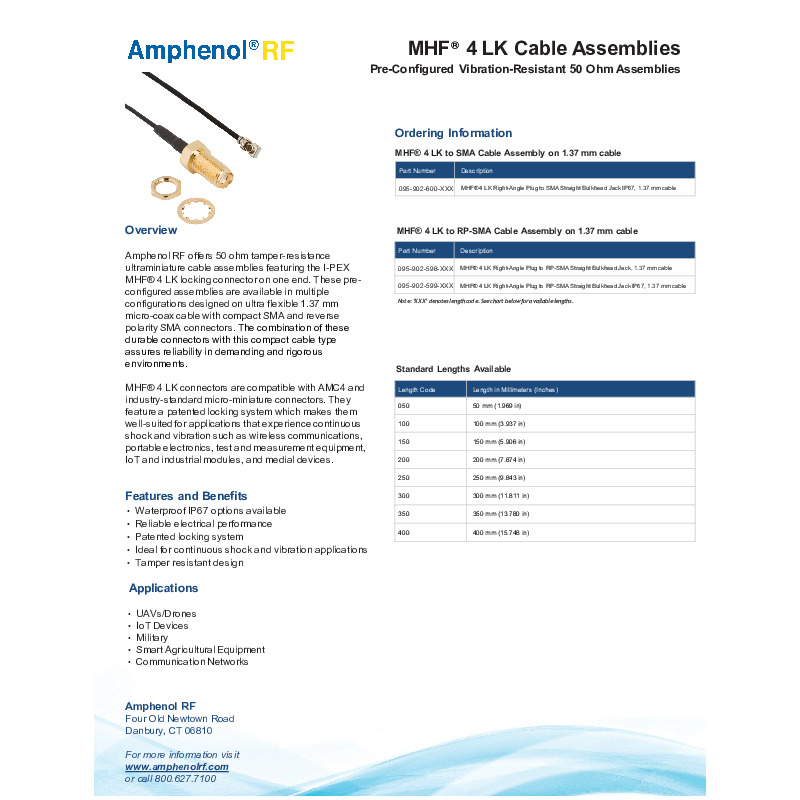
Thin micro-coaxial cable can help route signals through tight spaces between a radio, antenna, PCB or external interface. Amphenol RF’s ultraminiature cable assembly options pair compact connectors with small-diameter cable. Selecting the assembly as part of the broader layout helps engineers account for routing and signal performance together.
4. Design for the device’s operating environment:
A smart home product is not necessarily protected indoors. Connected cameras, doorbells, outdoor sensors, irrigation controls and energy equipment may encounter moisture, temperature changes, vibration or repeated mechanical stress.
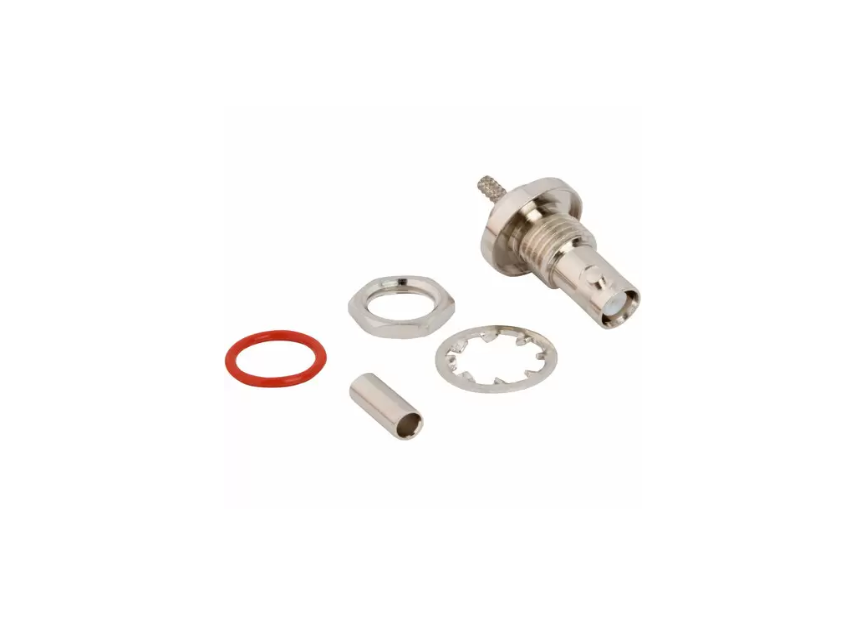
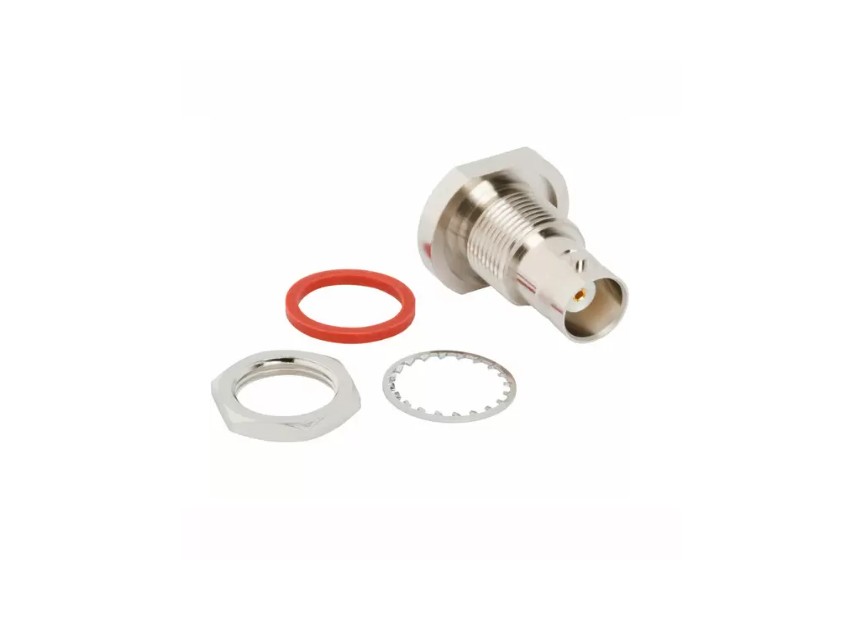
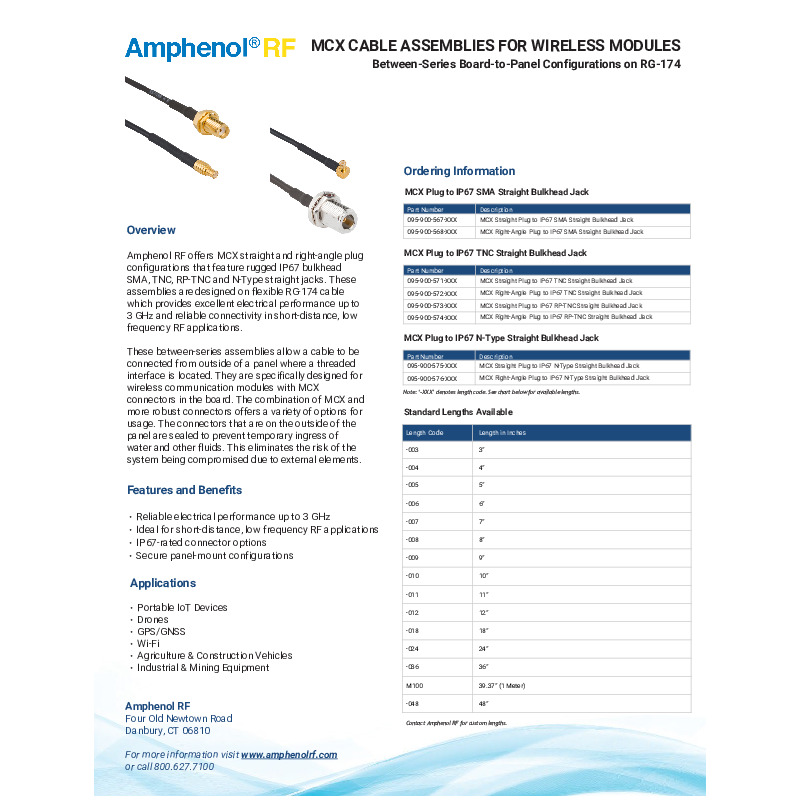
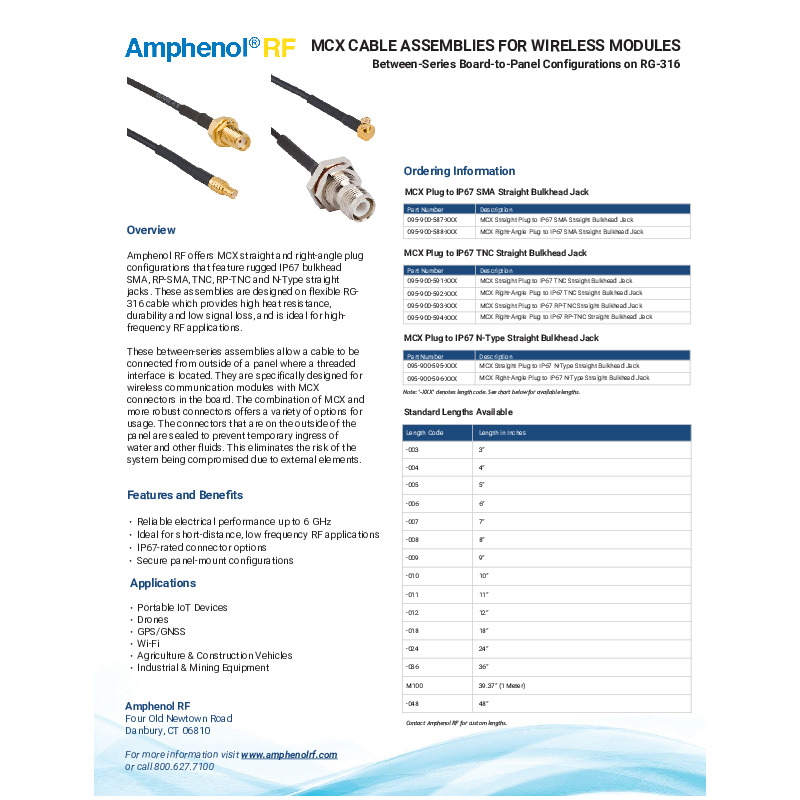
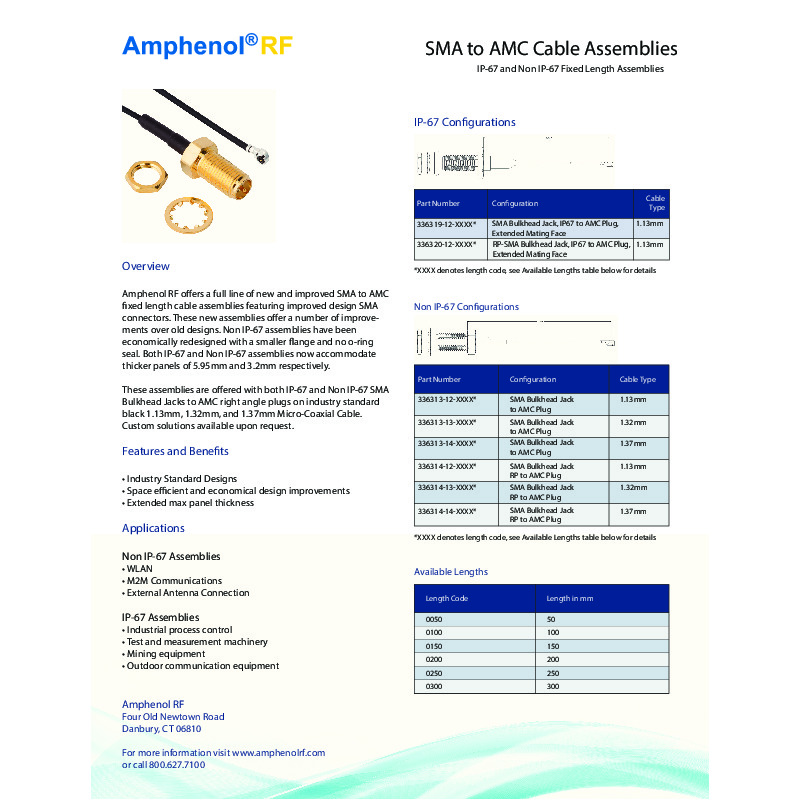
The RF interface should be selected for its actual location in the device. A connection inside a protected enclosure may have different requirements from one exposed to the weather. Amphenol RF offers miniature interfaces and cable assemblies that transition to more rugged external connectors, including selected waterproof configurations. Environmental ratings must be confirmed for the specific assembly and its installed condition.
Where miniaturized RF connectivity matters most:
The packaging and wireless requirements vary across smart home products:
- Security cameras and video doorbells need room for imaging components, processors, microphones, speakers and sensors alongside their wireless connections.
- Smart thermostats and environmental sensors benefit from low-profile components that fit slim enclosures.
- Smart appliances may combine wireless communication, sensing and remote diagnostics within an already complex electronic design.
- Hubs, routers and gateways connect growing numbers of devices and may need to accommodate multiple radios and antennas.
- Energy-management devices can connect meters, controls, EV charging equipment and other home energy systems. Matter has expanded its energy-management capabilities, including support for energy pricing information, enhanced metering and EV charging features.
- Home robots and robotic vacuums combine wireless communication with cameras, navigation sensors and onboard computing, making space and cable routing especially important.
Designing smarter devices starts with the RF connection:
As smart home devices become smaller and more capable, engineers must fit more antennas, sensors and wireless technologies into compact products while maintaining the required RF performance. Miniature connectors and micro-coax cable assemblies offer options for using PCB and enclosure space efficiently.
Choosing the RF architecture early helps teams plan connector placement, cable routing, antenna location and environmental protection as parts of one system. Amphenol RF offers miniature and ultraminiature connectors and cable assemblies for space-constrained wireless applications. Explore its smart home solutions to find an interface suited to your design.
Ressources connexes




.jpg)






Envoyez-nous un message
Veuillez remplir le formulaire ci-dessous ; nous vous contacterons très prochainement.
Les champs marqués d'un astérisque (*) sont obligatoires.