
2.2-5 コネクタ
スモールセル、DAS、5Gインフラに最適な、コンパクトで低PIMのRFコネクタ
概要
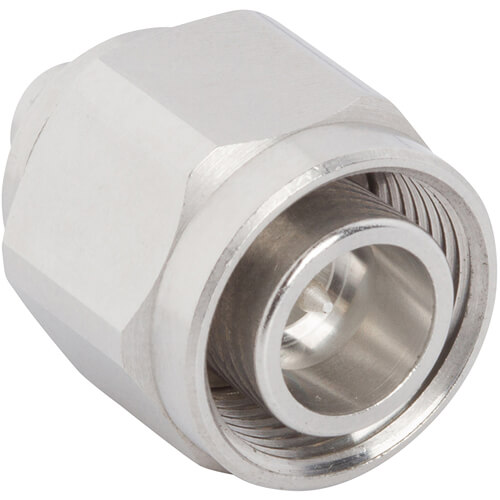
アンフェノールRFの2.2-5コネクタシリーズは、4.3-10コネクタと比較してサイズを53%縮小しながら、同等の堅牢な性能を実現しています。 高周波RFシステム向けに設計されたこれらの軽量コネクタは、最大½″の太くて低損失なケーブルに対応し、要求の厳しいワイヤレスおよび放送用途に不可欠な優れたパッシブ相互変調(PIM)性能を維持します。嵌合時にはIP68規格に準拠しており、屋内および屋外のいずれの環境でも確実に機能するよう設計されています。
このシリーズは、プッシュプル式ブラインドメイトおよびネジ式結合のオプションにより、迅速な組み立てが可能に最適化されており、設置の柔軟性を高めています。 DC~20 GHzの周波数帯域に対応し、PIMが–166 dBcと極めて低い2.2‑5コネクタは、スモールセル、屋内システム、モバイル基地局などの高密度RFアプリケーションに最適です。
特長と利点
- 超コンパクトなフットプリント:4.3‑10 コネクタよりも 53% 小さく、スペースに制約のある設計に最適
- 低PIM性能:2 × 20 Wで−166 dBcを達成し、ネットワークの信号品質を維持
- 広帯域対応:適切なケーブルで終端した場合、DC~20 GHzの範囲で動作
- 設置の柔軟性:プッシュプル式ブラインドメイトおよびネジ式結合機構を採用
- 堅牢な信頼性:屋外や過酷な環境向けに、接続状態でIP68の密閉性を確保。
主な技術仕様
- 直径 ½″ のケーブルに対応(コンフォーマブルタイプおよび半硬質タイプを含む)
- 周波数範囲:DC~20 GHz(ケーブルに依存)
- 定格電圧:500 VRMS(連続)、絶縁耐電圧 1500 VRMS
- VSWR:約 1.025(DC~3 GHz)、約 1.032(3~6 GHz)、ケーブルおよび色によって異なります
- 許容電力:2 GHz、40 °C で 250 W;相互変調(PIM):–166 dBc @ 2 × 20 W
用途
- スモールセルおよび 5G ネットワーク – 高密度展開向けのコンパクトで高性能なコネクタ
- 分散型アンテナシステム(DAS) – 高速信号分配用の低 PIM コネクタ
- 屋内無線 – 企業、医療、キャンパスシステム向けの信頼性の高い RF インターフェース
- 低電力基地局 – 過酷な環境下での使用に耐える堅牢な設計
- 試験・計測 – 実験室および現場での使用に適した、高周波・低反射インターフェース
ストレート型、直角型、パネルマウント型など、当社の2.2~5コネクタの全ラインナップをご覧ください。カスタムケーブルアセンブリ、インピーダンスの調整、または特殊な取り付けオプションが必要な場合は、当社の専門家にお問い合わせいただき、お客様に合わせた設計ソリューションをご検討ください。
仕様
2.2-5 コネクタ
電気的
| インピーダンス | 50 オーム |
| 周波数範囲 | DC ~ 20 GHz |
| 定格電圧 | 500 ボルト RMS(連続) |
| 絶縁耐電圧 | 1500 VRMS 以上 |
| VSWR |
|
|
インターフェース
|
|
|
DC ~ 3 GHz
|
1.025 (-38 dB) 標準 |
|
3~6 GHz
|
1.032 (-36 dB) 標準 |
|
ケーブルコネクタ
|
|
|
DC ~ 4 GHz
|
1.046 (-33 dB) 標準 |
|
4~6 GHz
|
1.065 (-30 dB) 標準 |
| 絶縁抵抗 | 3000 MΩ 以上 |
| 中心コンタクト抵抗 | 2 mΩ(最大 |
| 外側接触抵抗 | 1 mΩ(最大 |
| RFリーク | -100 dB 以下(DC ~ 3 GHz) |
| 挿入損失 | 0.03 √(f (GHz)) dB 以下 |
| 受動相互変調(PIM) | -166 dBc @ 2 × 20 W |
| 許容入力電力 | 250 W @ 2 GHz @ 40 ºC |
環境条件
| 温度範囲 | −40°C ~ +85°C |
| 熱衝撃
|
IEC 60068-1
|
| IEC 60068-1
|
IEC 60068-1
|
| 振動
|
IEC 60068-1
|
| 機械的衝撃
|
IEC 60068-1
|
| インターフェースのシール性
|
IP68(嵌合状態
) |
機械的
| 嵌合サイクル | 100分 |
| 接続機構 | ねじ式
|
| インターフェース仕様 | Telegartner T00001A0052
|
| 係合力
|
32 N (7.2 lbs) 標準
|
| 離脱力
|
3.3 N (0.75 lbs) 標準
|
| 嵌合トルク(最小作動
値) |
26インチ・ポンド(3 N・m)
|
注:これらの特性は代表値であり、すべてのコネクタに当てはまるとは限りません。
コネクタの構成によって性能が異なる場合があります。
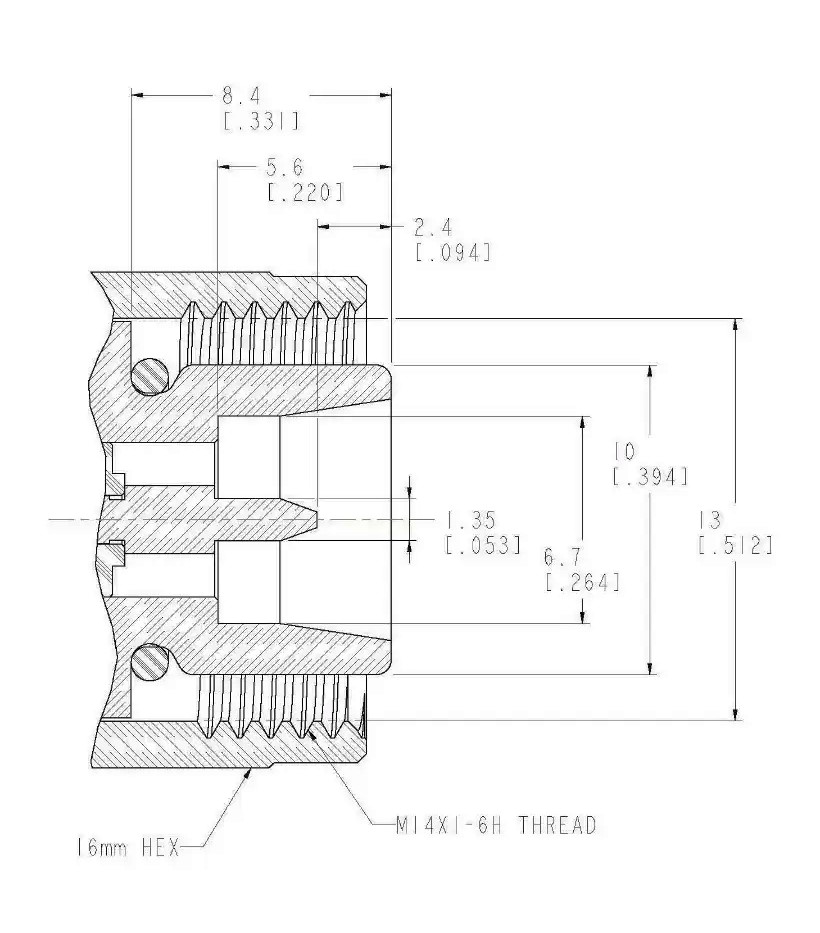
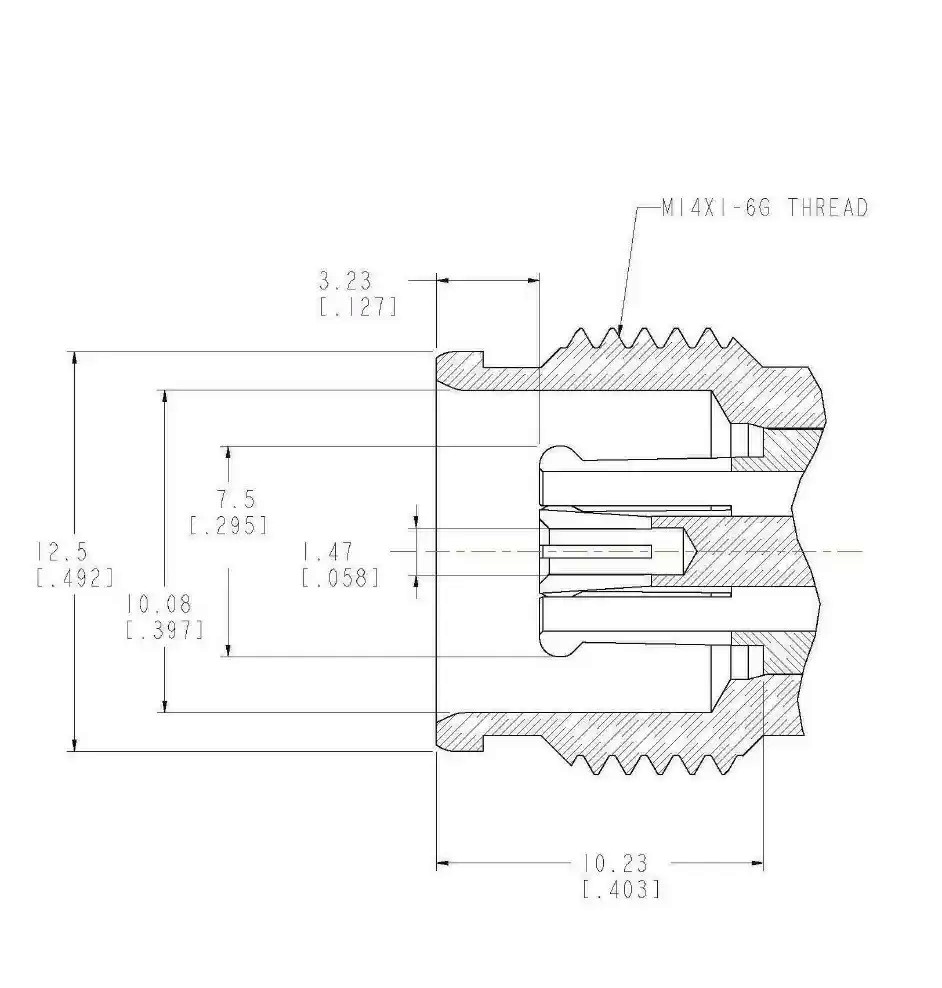
インターフェースの寸法
プラグ
ジャック
関連リソース
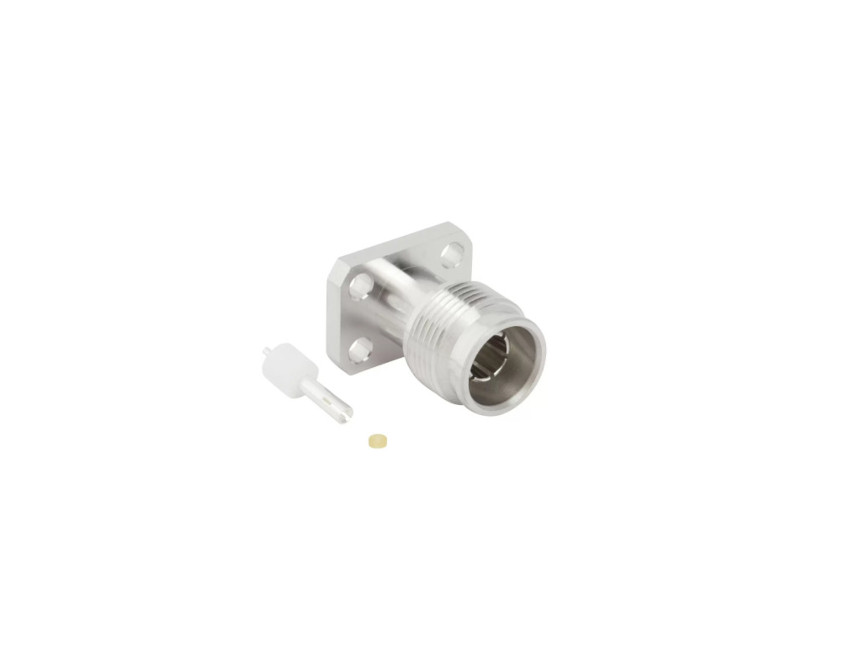
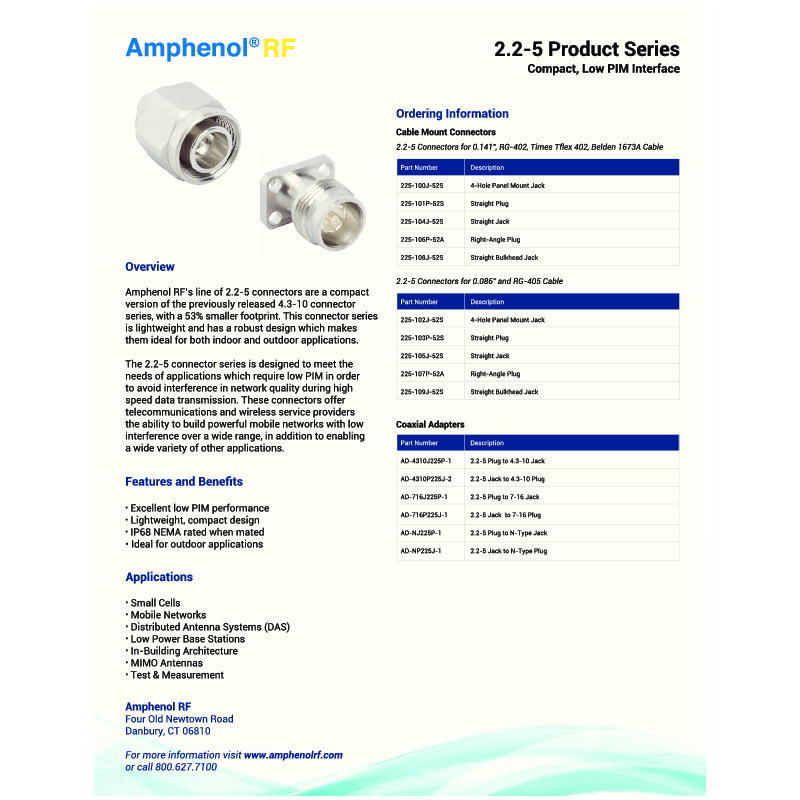
2.2-5 Connector Series
The Amphenol RF 2.2-5 Product Data Sheet highlights the 2.2-5 connector series, designed for high-performance RF applications requiring compact size, low PIM, and superior electrical performance. This connector series is engineered to support high-frequency, low-loss signal transmission, making it ideal for 5G networks, small cells, and distributed antenna systems (DAS). With a rugged, weatherproof design, these connectors ensure reliable performance in harsh environments while maintaining ease of installation through various coupling mechanisms, including threaded, push-pull, and hand-screw options.
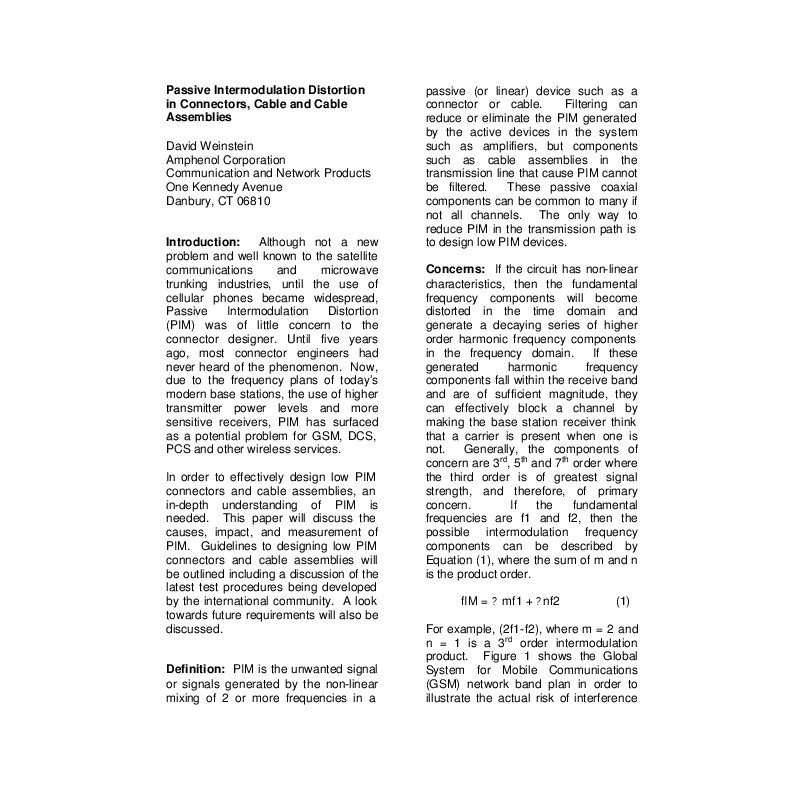
White Paper: Passive Intermodulation Distortion
The document "Passive Intermodulation Distortion in Connectors, Cable and Cable Assemblies" by David Weinstein of Amphenol Corporation discusses the causes, impacts, and measurement of Passive Intermodulation Distortion (PIM) in RF components. It explains how PIM is generated by non-linear mixing in passive devices like connectors and cables, causing unwanted signals that can interfere with communication systems. The paper outlines design guidelines to minimize PIM, including contact design, material choices and cleanliness, and describes testing methods to ensure low PIM performance.
お問い合わせ
以下のフォームにご記入ください。折り返しご連絡いたします。
アスタリスク(*)が付いている項目は必須です。