

Radio frequency technology is the silent player in large scale sporting events around the globe as a critical component in the infrastructure within stadiums and the overall viewing experience. The advancements in RF technology have run parallel to the growth of sports since its integration into popular culture in the early 1900s.
Sports fandom was able to reach a new height as events were broadcasted through the radio beginning with a 10-round, no-decision boxing match between Johnny Dundee and Johnny Ray at Pittsburgh’s Motor Square Garden in 1921. Less than two decades later, the 1936 Summer Olympics in Berlin became the first televised sporting event. Both of these major events in sports history are due in large part to RF technology which is used to transfer information in the form of sounds and images. These early use cases were only the beginning of a lifelong partnership between the two. Since then, RF technology has found a place in areas other than broadcasting, which alone has evolved substantially in the last century.
Communication systems within stadiums, especially those involving wireless connectivity, such as Wi-Fi which utilizes IoT antennas on ISM bands and wireless ticketing devices that use NFC antennas, are among the applications that rely on radio frequency. In addition to that, athlete monitoring, scoring systems, equipment tracking and security rely heavily on RF interconnect. Each one of these activities individually are a piece of a much larger puzzle that combined, elevate the spectator experience which a hundred years ago could only take place in person. Let’s take a closer look at how RF technology plays a key role in broadcasting, communication systems, player monitoring and the spectator experience.
Broadcasting

High-quality RF connectors and cable assemblies ensure that video and audio feeds from cameras and microphones are transmitted without loss or interference. Coaxial adapters are used to integrate equipment from different vendors. Antennas transmit live audio and video feeds to broadcast centers and satellite uplinks. These signals are then relayed to broadcasting networks around the world.
RF technology allows for remote broadcasting units to capture and transmit feeds from different locations within the venue, ensuring comprehensive coverage. Drones equipped with cameras use RF signals to remote control and transmit high-definition video feeds which provide a unique aerial view of the events. Athletes or referees might wear cameras on their person to send live footage from their perspective which adds a dynamic element to the broadcast. Meticulous RF planning is necessary to avoid interference and ensure reliable signal transmission during large scale sporting events. This includes frequency coordination to manage the spectrum effectively. Redundant RF systems are often deployed to ensure uninterrupted broadcasting and communication in case of any technical failure.
Communication Systems
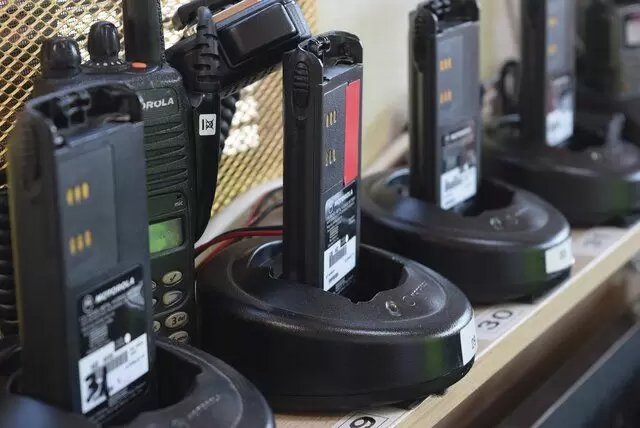
Reliable connectors and cables are crucial for the intercom systems, which operate on RF frequencies, used by event organizers, security and emergency responders. Antennas facilitate wireless communication over the entire venue, even in events that cover large distances like the Olympic Games venues. RF interconnect support walkie-talkie communication which are essential for on-the-ground coordination among various teams, ensuring smooth operation and quick response to issues. Wi-Fi and other wireless services provided for media personnel and spectators rely on a robust antenna system to cover the large areas of the event venues. Antennas and cable assemblies help in transmitting real-time data such as player statistics and scores to broadcasters and on-site displays.
Player Monitoring

Wearable sensors like GPS, heart rate monitors and accelerometers use RF signals to transmit real-time data about athlete’s performance metrics (e.g. speed, heart rate) to commentators and audiences. These same devices are monitored by coaches, analysts and medical teams to allow for immediate feedback and adjustments to training or performance strategies. Similarly, biometric data such as heart rate, body temperature and oxygen levels in order to quickly identify any health issues and intervene if necessary. This real-time monitoring helps to track signs of potential injuries in order for proactive measures to be taken. RFID tags are attached to athlete’s accessories or clothing to track the completion of certain activities, such as laps in a track race, and provides organizers with the location of participants to ensure their safety. This is particularly important in sports that cover large areas, like marathon running or cycling. RF technology enables rapid response and assistance.
Spectator Experience

Many of the aforementioned applications of RF technology in sporting venues and global broadcasting have elevated the spectator experience. Wi-Fi and mobile networks are supported by RF interconnect and used by spectators in various capacities such as live streaming, social media updates and general communication. This helps to increase fan engagement and creates an interactive experience such as areas in the stadium where viewers can participate in virtual games or meet athletes via holographic displays. Personal devices can also be synced with event apps to receive personalized content, updates and exclusive offers. Public address systems within the venue are used to transmit announcements to spectators and participants about important information in real time. Screens around the venue use RF technology to display real-time statistics, scores and other updates which keep spectators informed throughout the event. These screens are also tied to in-venue broadcasting which allows viewers to have a better view of the event regardless of seat location. In addition, on-demand services are now available which allow guests to order food, beverages, and merchandise for delivery directly to their seats for enhanced convenience and comfort.
RF Products
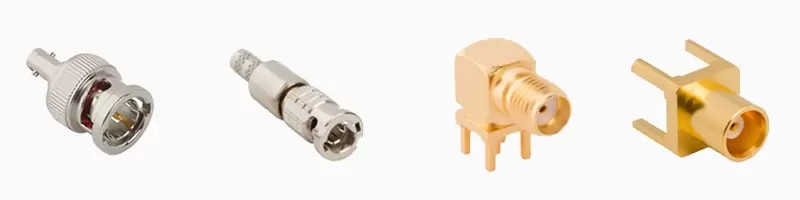
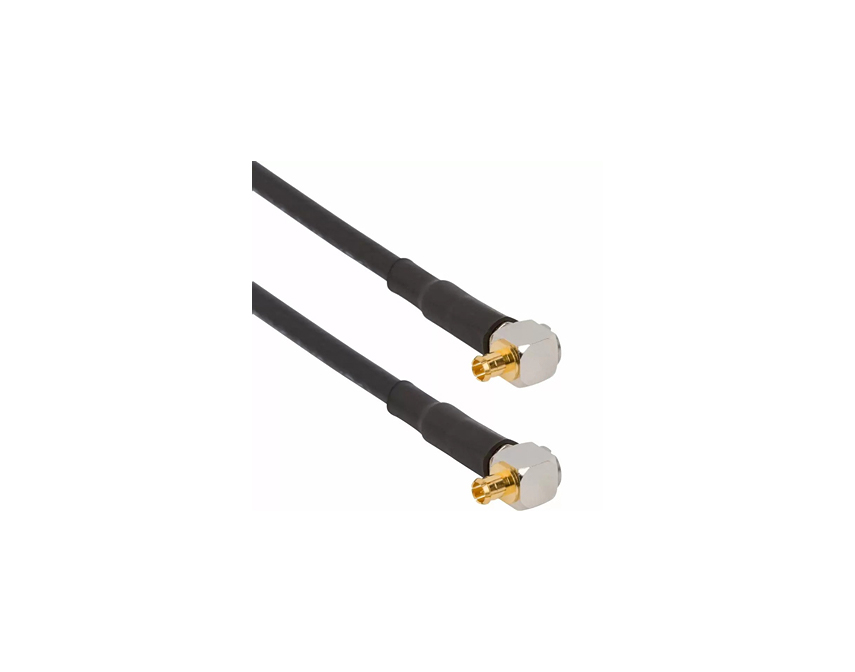
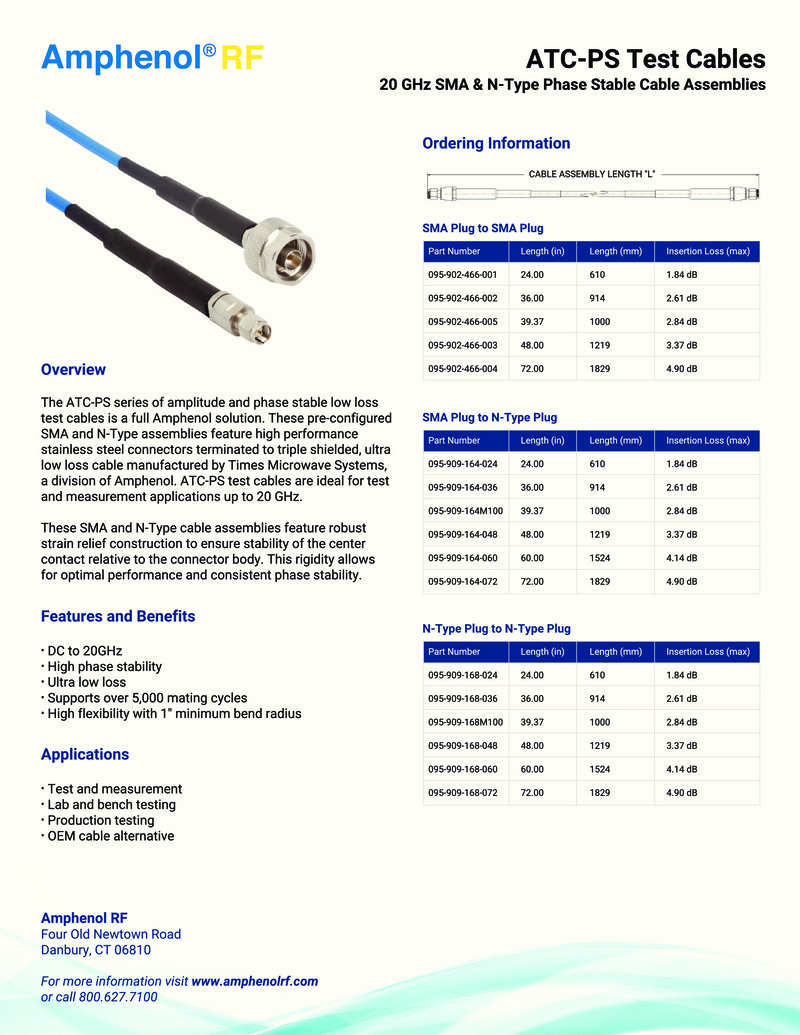
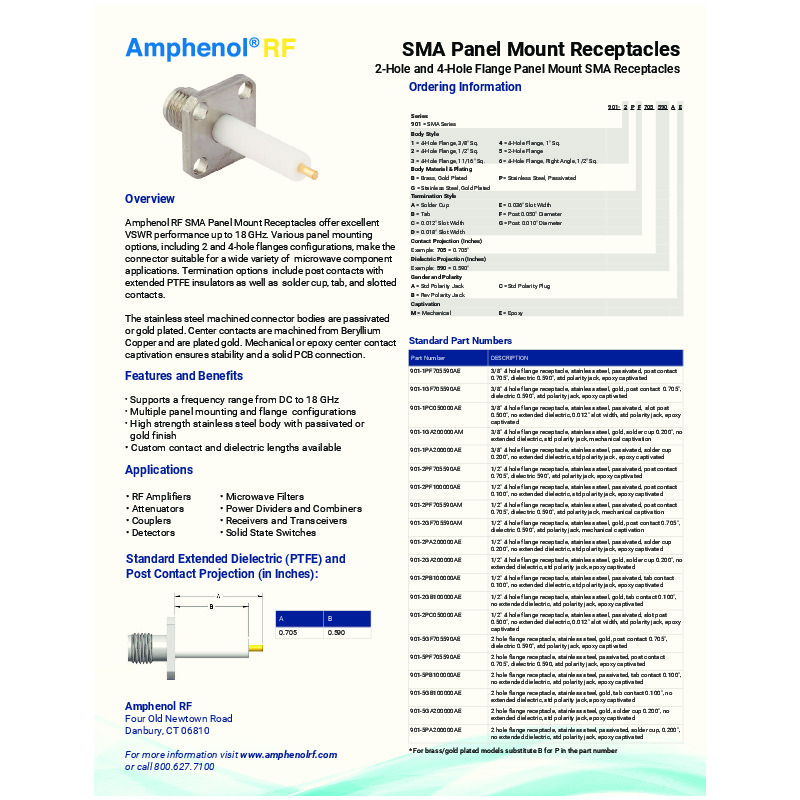
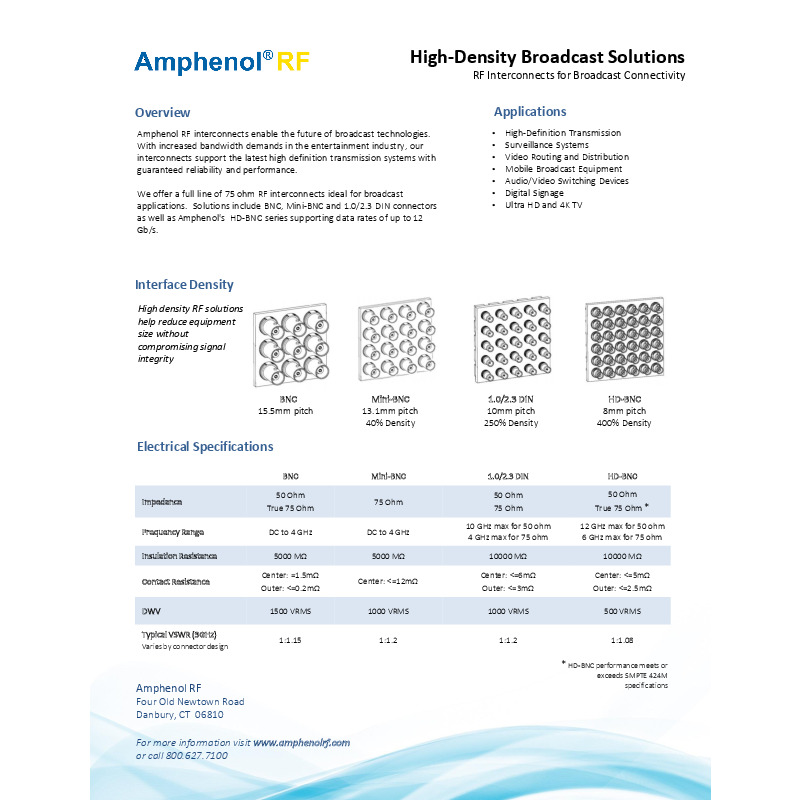
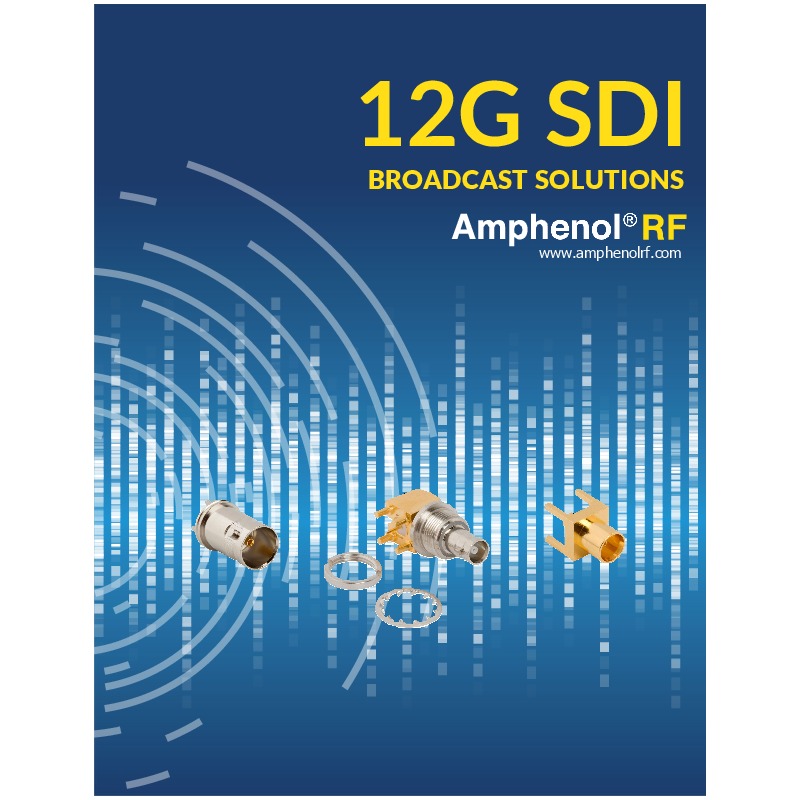
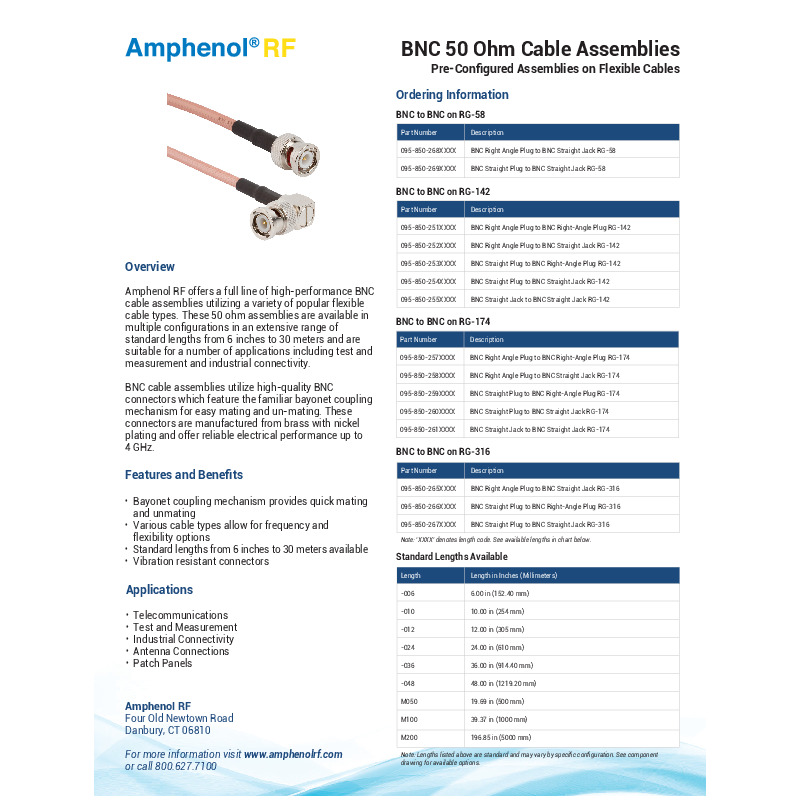
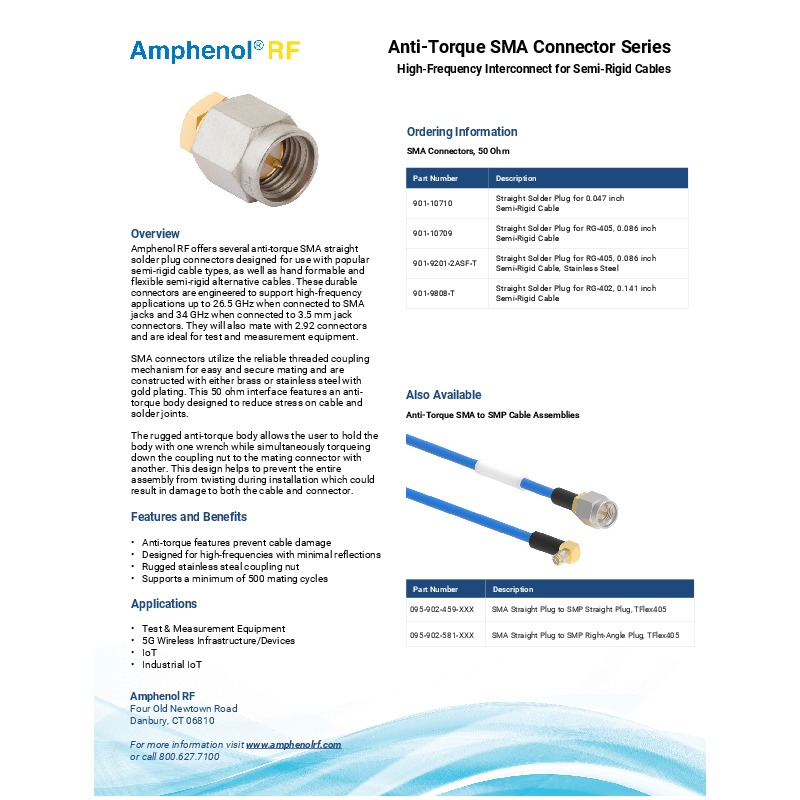
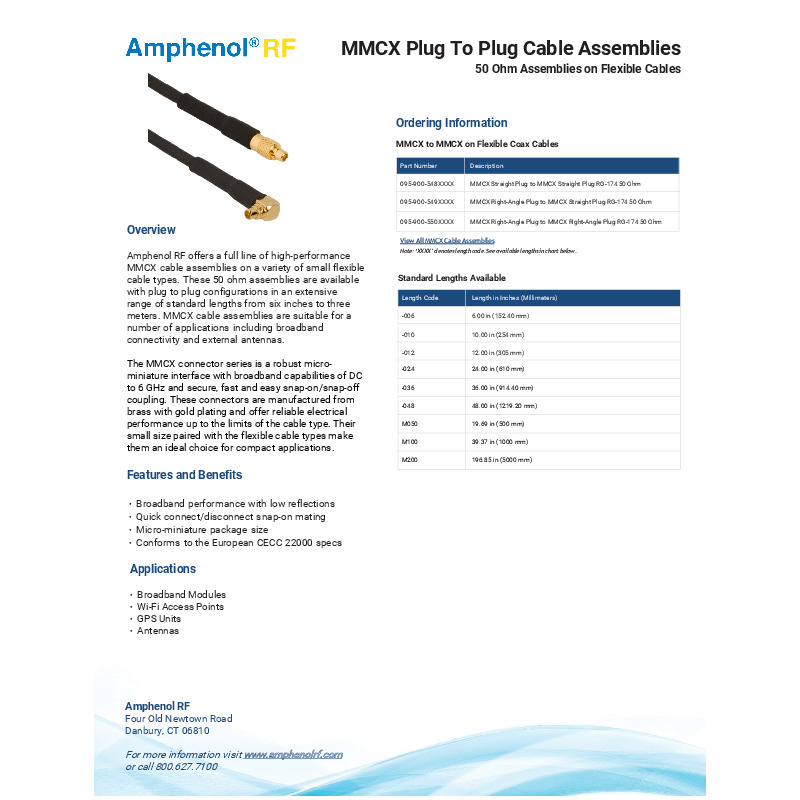
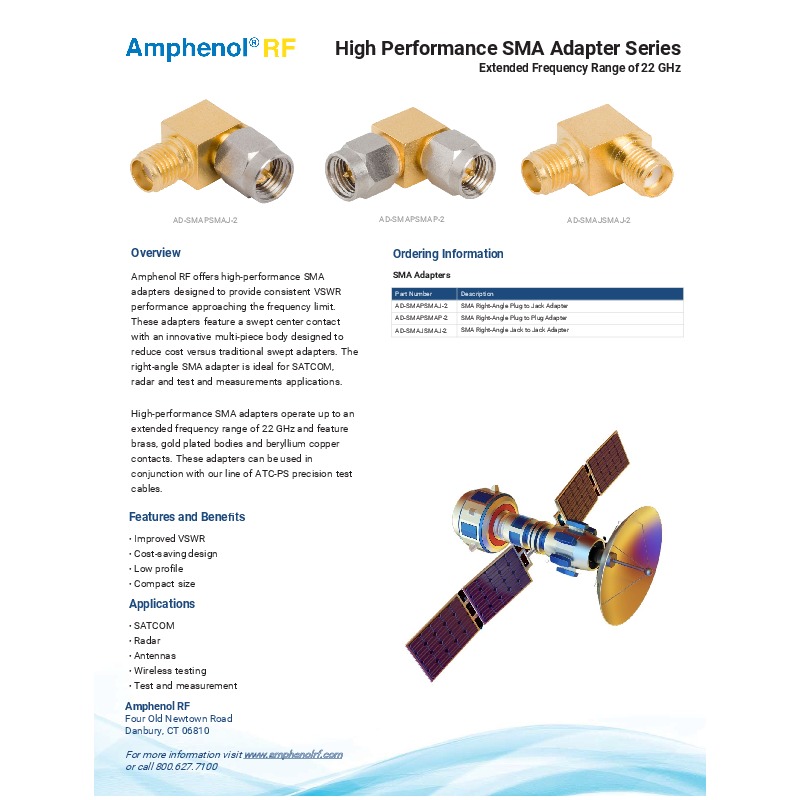
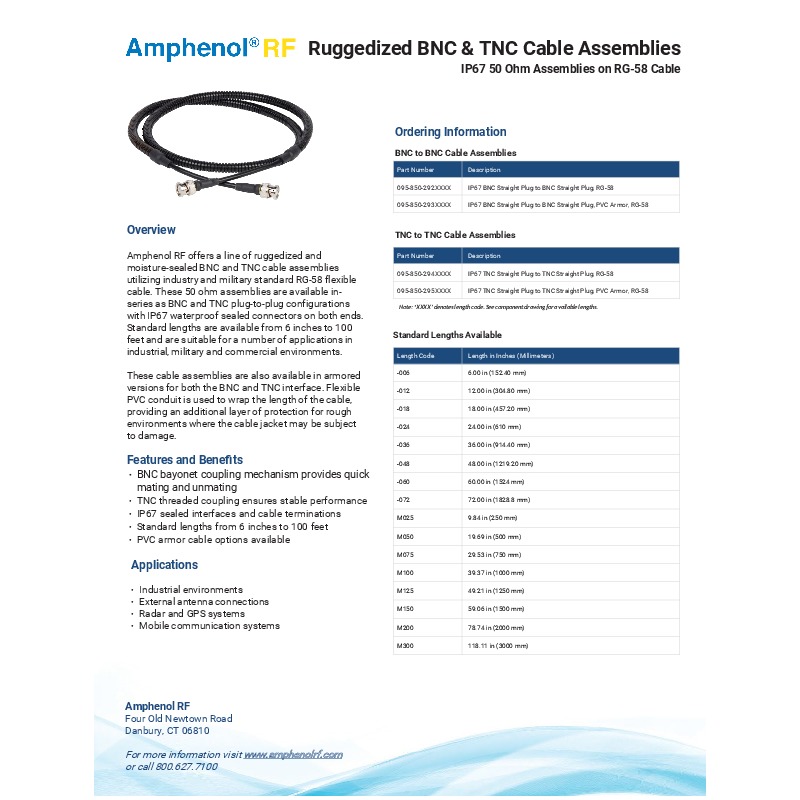
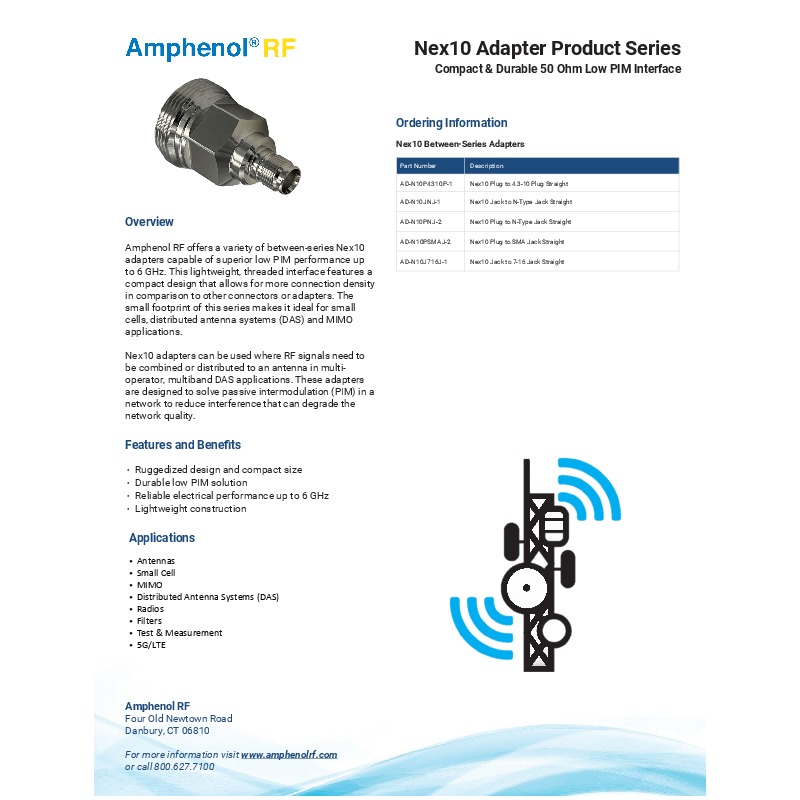
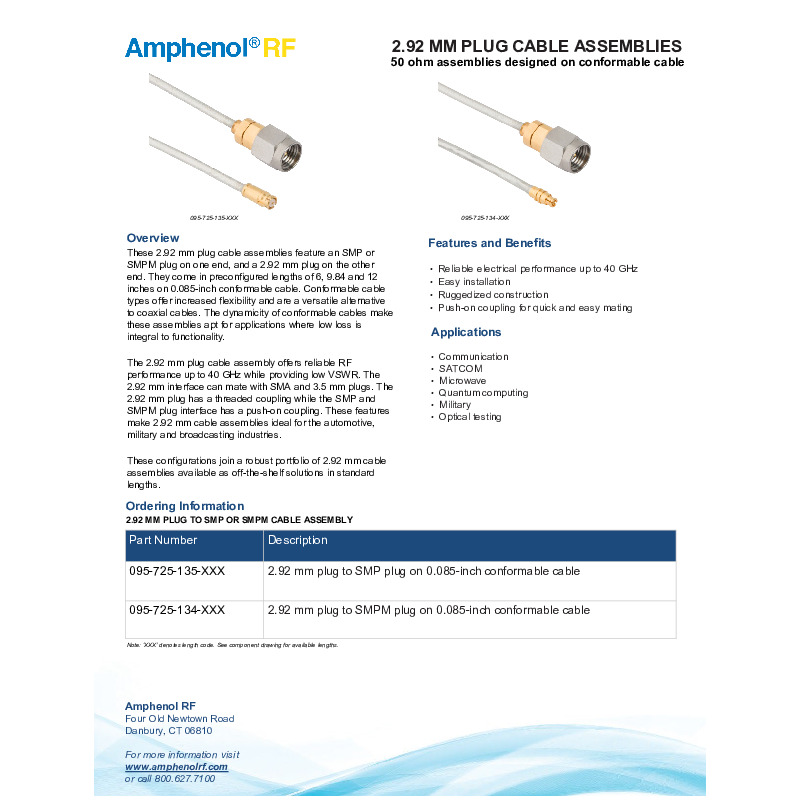
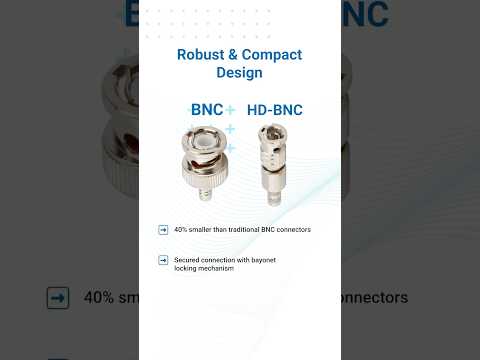
Traditional broadcast and 12G solutions continue to be used in broadcast-related applications – 1.0-2.3, BNC, HD-BNC, HD-AFI, MCX and N-Type connectors and cable assemblies are typically used to transmit signals. 5G networks and IoT devices use a combination of mid-size and miniature connector interfaces – popular low-PIM 2.2-5, 2.92 mm, 4.3-10, HD-EFI, and MCX, N-Type, SMA, SMP and SMPM. Both connectors and cable assemblies are often used with a combination of antenna types. These applications also require IP67/68 sealed interconnect, extreme exposure solutions and ruggedized solutions.
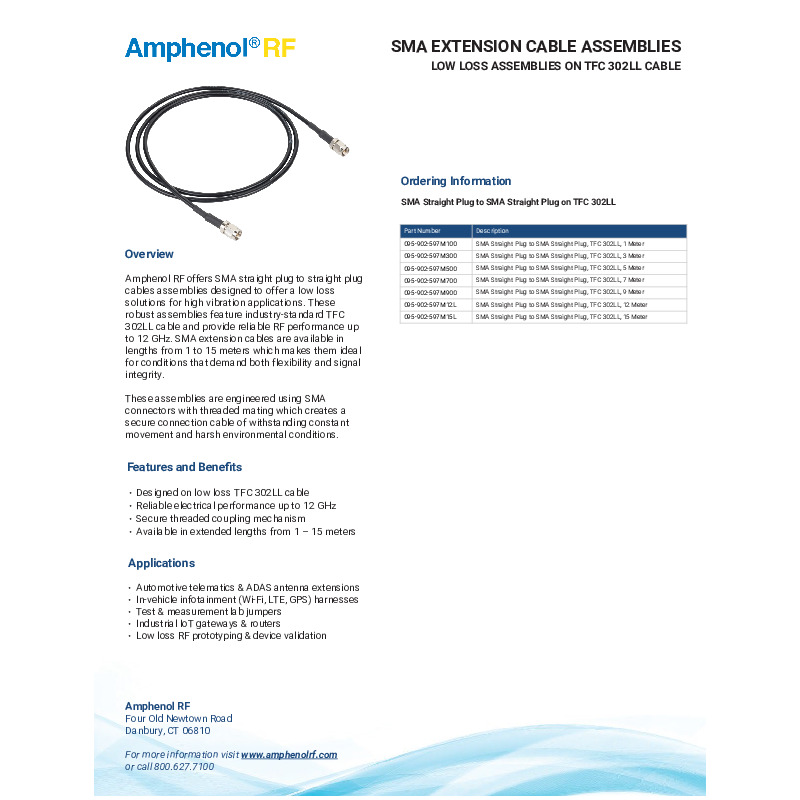
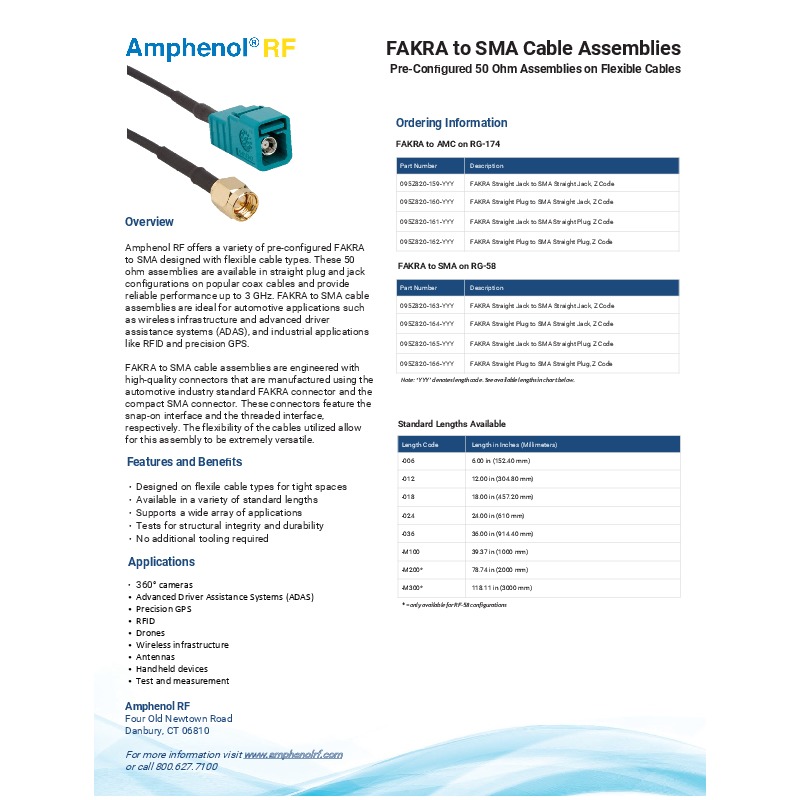
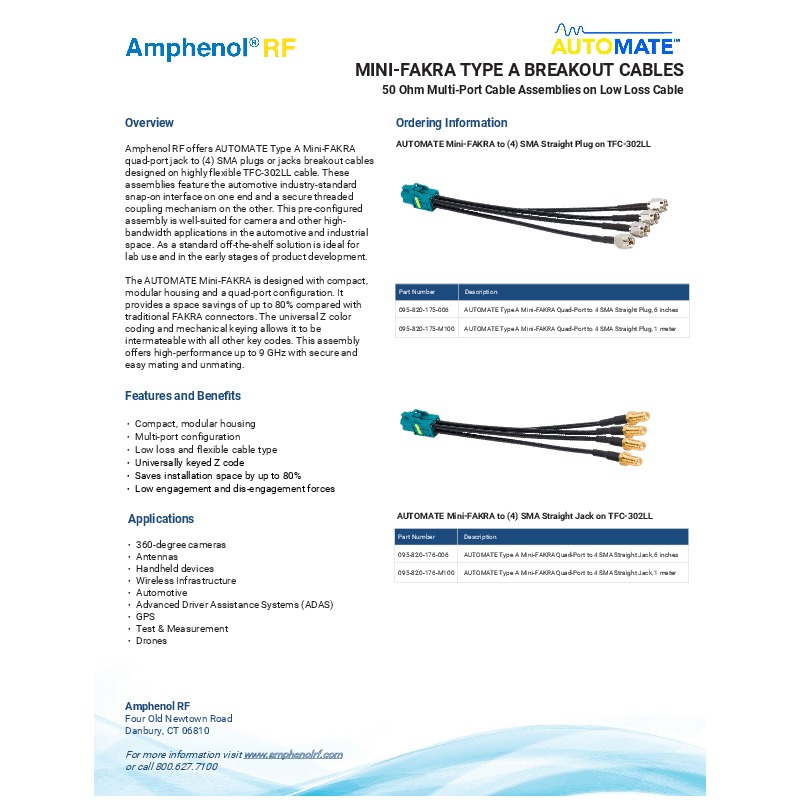
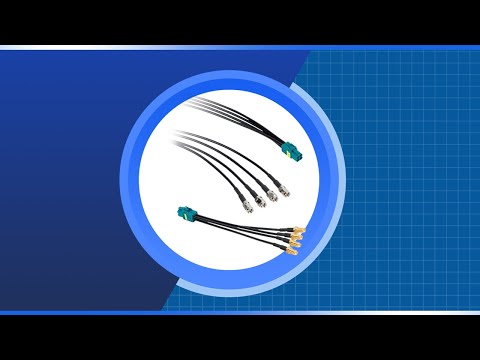
Drones, AR/VR devices and wearable technology is enabled by AUTOMATE Mini-FAKRA, FAKRA connectors and cable assemblies and SMA solutions. These RF interconnect are extremely versatile and can be used for a wide range of applications within this umbrella. Conclusion: RF interconnect play a pivotal role in enabling the technologies that are most critical to large scale sporting events. As this technology evolves, the relationship between RF products and sports continues to grow and intertwine at an unprecedented level. Real-time delivery of information has enhanced the spectator experience while playing a key role in the safety of athletes and the strategic planning by coaches. These interconnected elements provide a foundation for the future of large scale sporting events around the globe.
Conclusion
RF interconnect plays a pivotal role in enabling the technologies that are most critical to large scale sporting events. As this technology evolves, the relationship between RF products and sports continues to grow and intertwine at an unprecedented level. Real-time delivery of information has enhanced the spectator experience while playing a key role in the safety of athletes and the strategic planning by coaches. These interconnected elements provide a foundation for the future of large scale sporting events around the globe.
Related Resources













































































Send us a Message
Please fill in the form below and we will contact you very soon.
Fields marked with an asterisk (*) are required.