
TNC Connectors
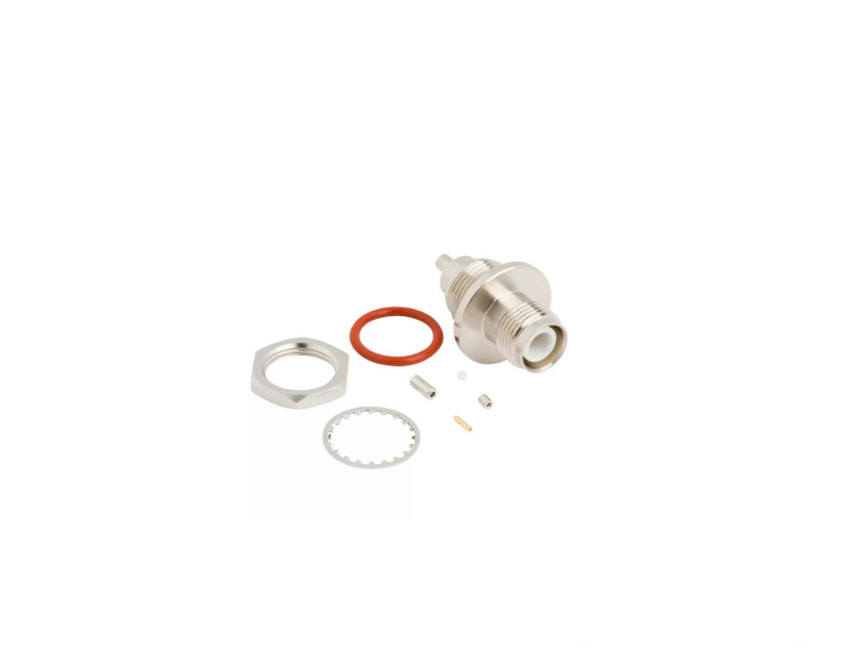
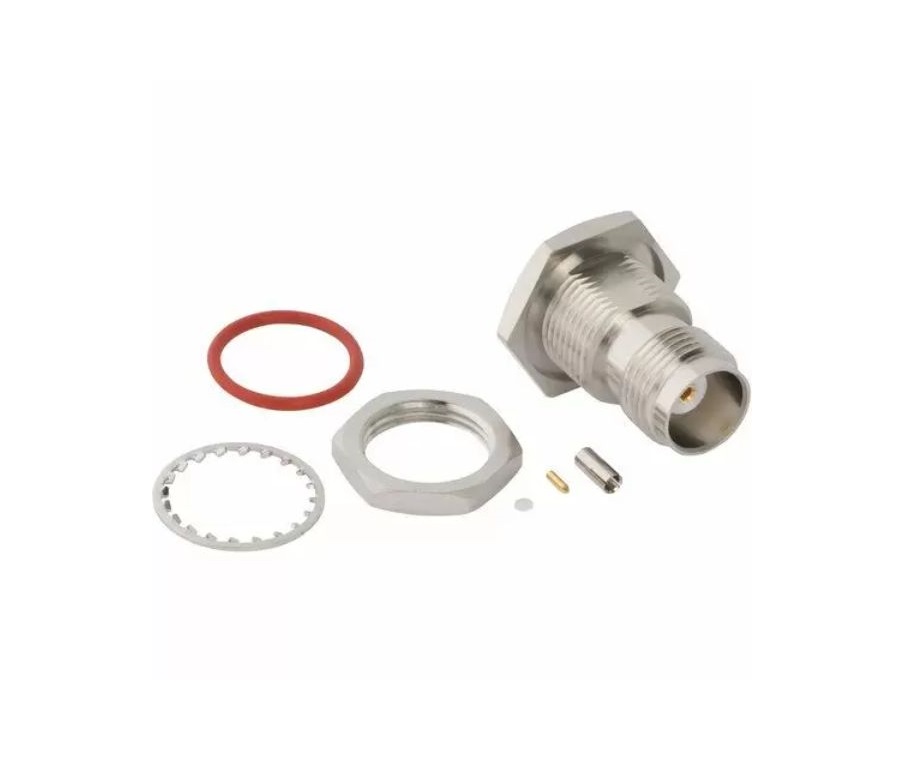
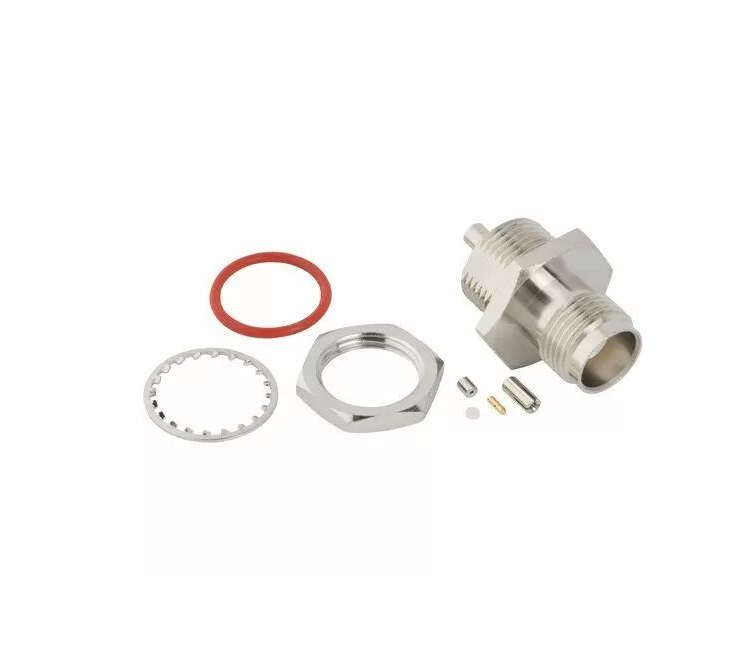
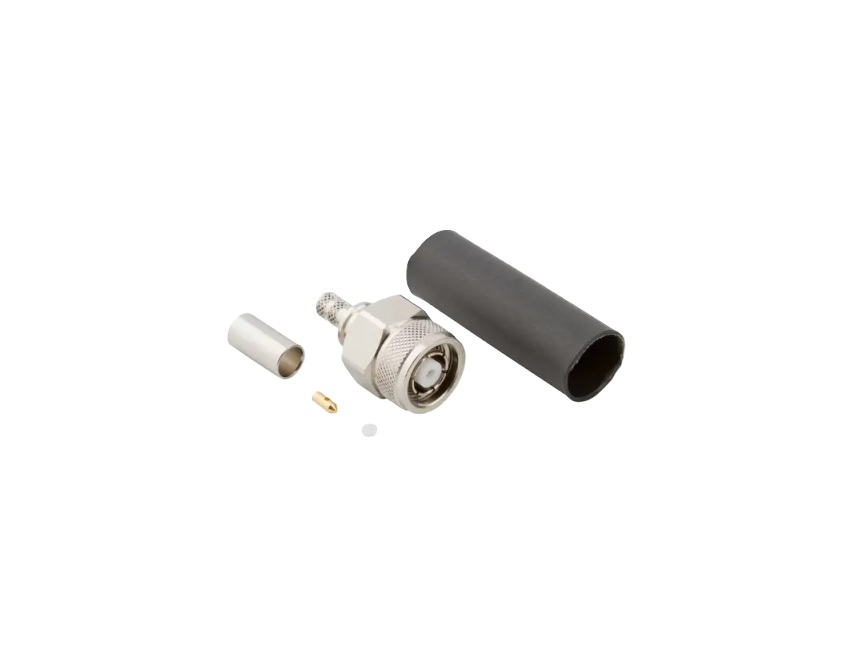
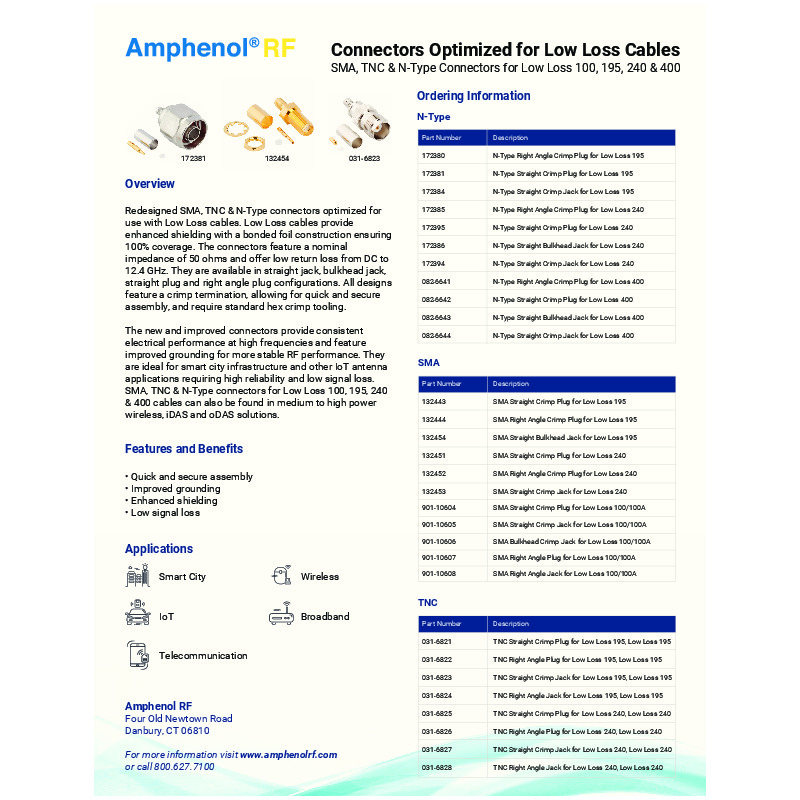
TNC Connectors are threaded RF coaxial connectors with IP67 options and performance up to 11 GHz. They support applications such as wireless infrastructure, industrial automation and outdoor applications.
Overview
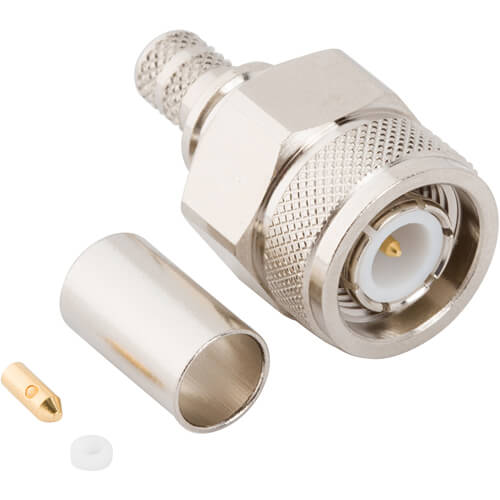
Amphenol RF's TNC connectors are high-performance threaded RF connectors designed for applications requiring secure mating, vibration resistance, and reliable signal integrity. Ideal for Wireless Infrastructure, Industrial Automation, Test and Measurement Equipment, and Outdoor RF Systems.
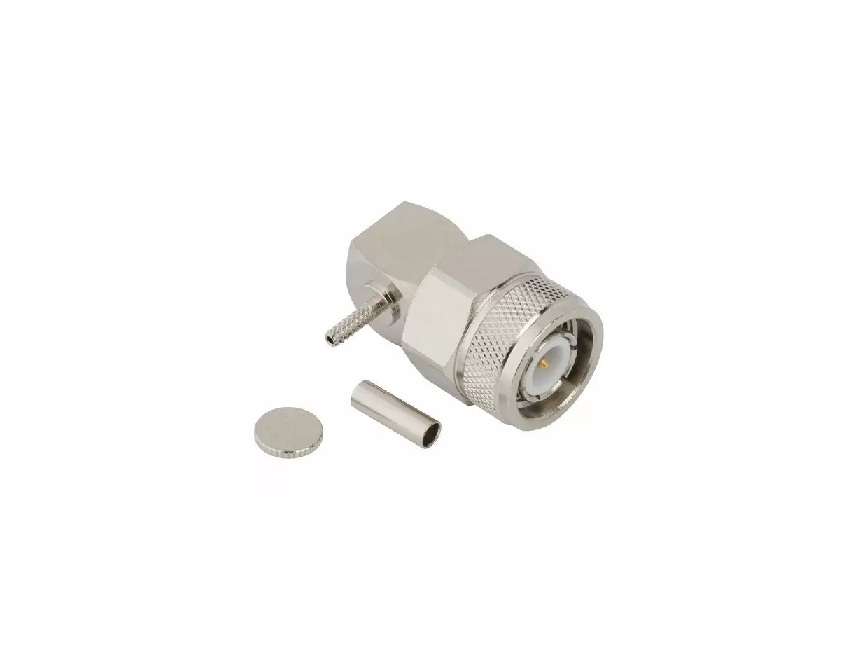
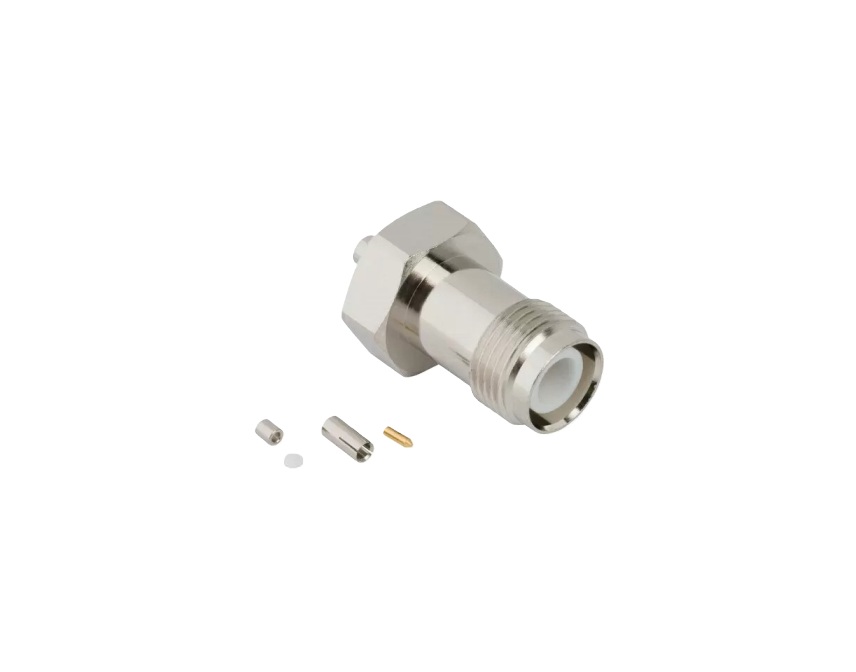
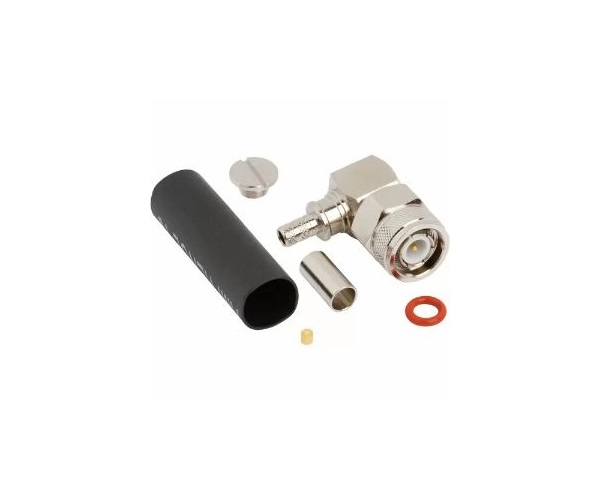
The threaded coupling mechanism ensures a stable and reliable connection, making TNC connectors a popular choice for test and measurement systems, communication infrastructure and industrial RF installations. Available in a wide array of configurations, including straight and right-angle options, TNC connectors are engineered for versatility and ease of integration into existing systems.
Features and Benefits
- Threaded coupling mechanism for vibration resistance
- High-frequency performance up to 11 GHz (cable dependent)
- Available in 50 ohm and 75 ohm versions
- Broad range of standard and custom configurations
- Gold- and silver-plated contact options for optimized conductivity
Key Technical Details
- Supports both standard and reverse polarity formats
- Commonly used with RG-58, RG-142, RG-316 and similar coax cables
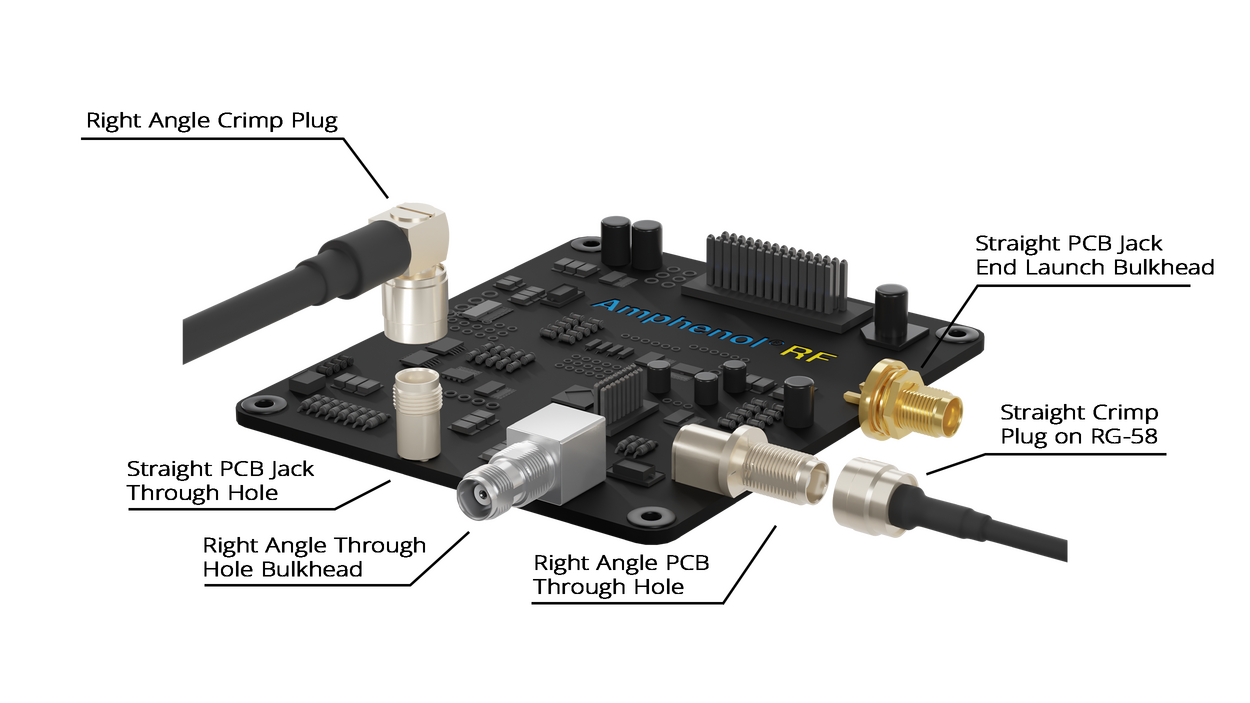
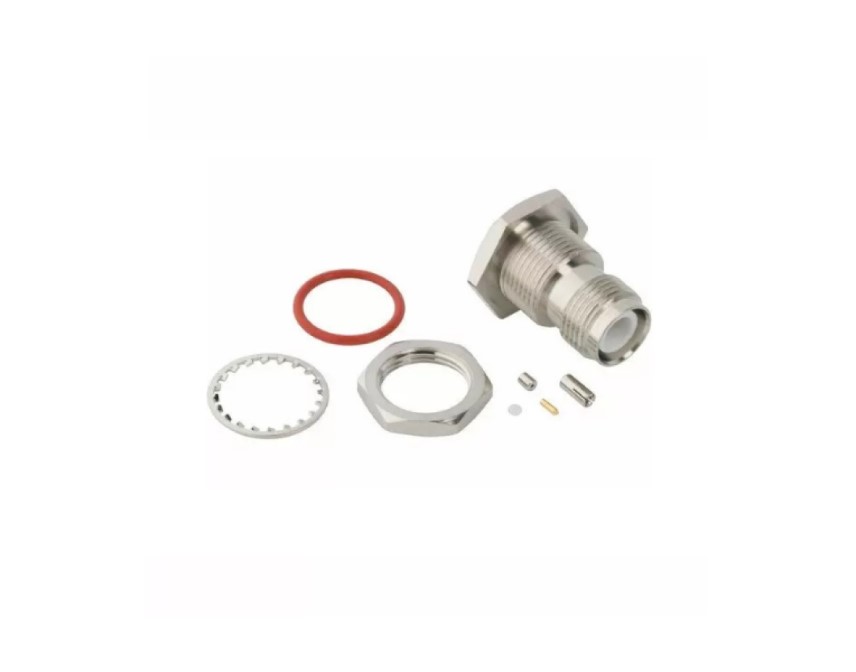
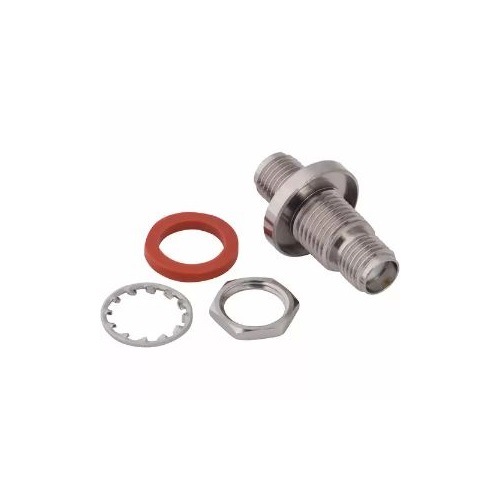
- Compatible with a variety of mounting styles, including bulkhead and panel mount
- Options available for both crimp and clamp cable terminations
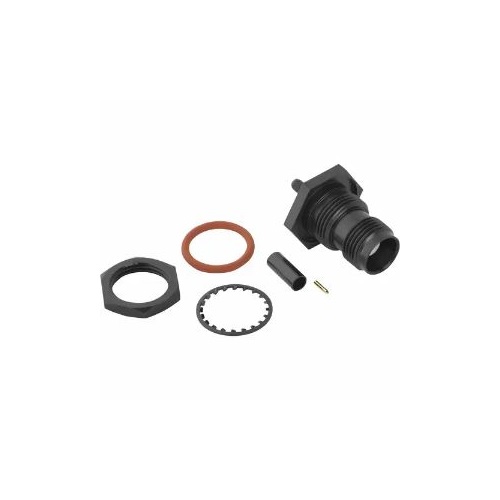
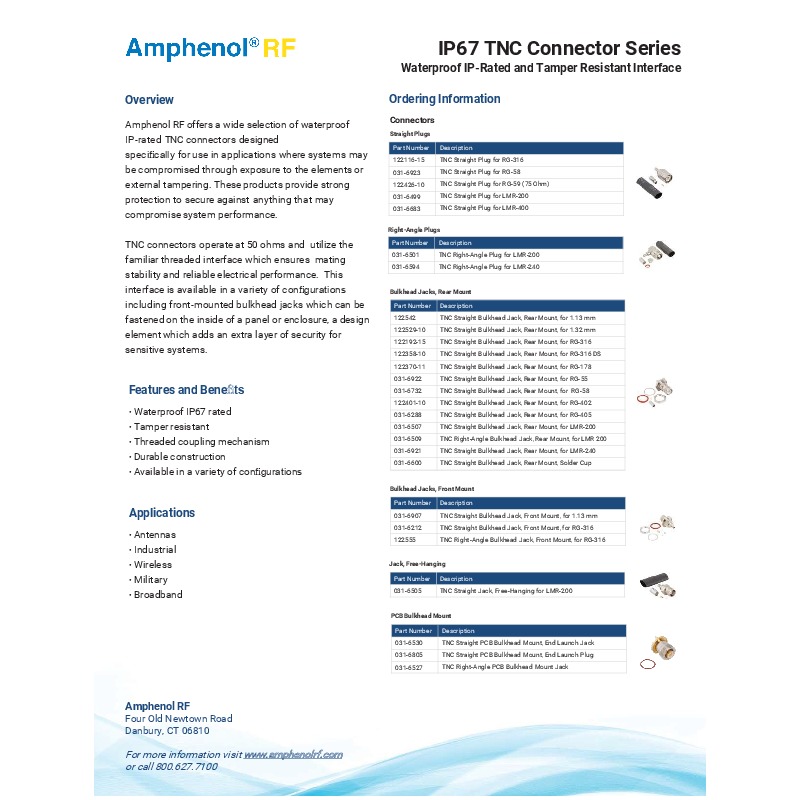
- IP67 sealed versions available for outdoor and harsh environments
Applications
- Wireless infrastructure and cellular base stations
- Test and measurement equipment
- Antenna connections for Wi-Fi and IoT systems
- Industrial automation and control systems
- Broadband and broadcast systems
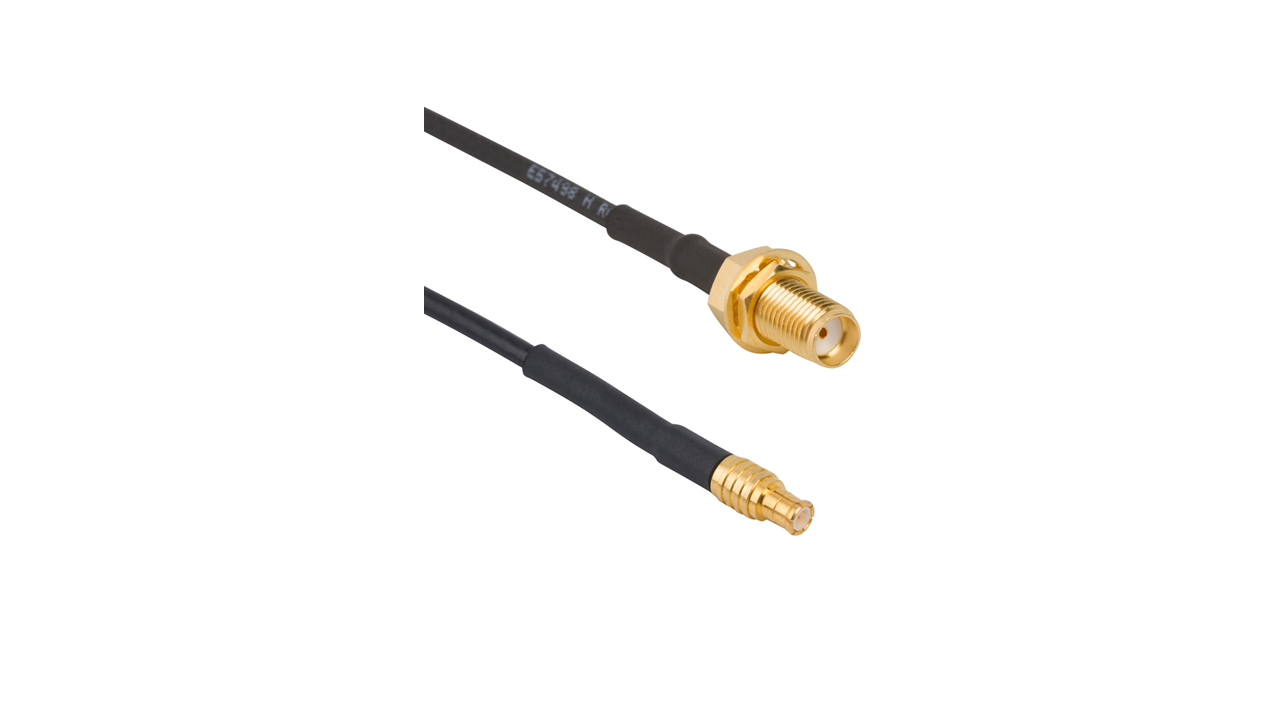
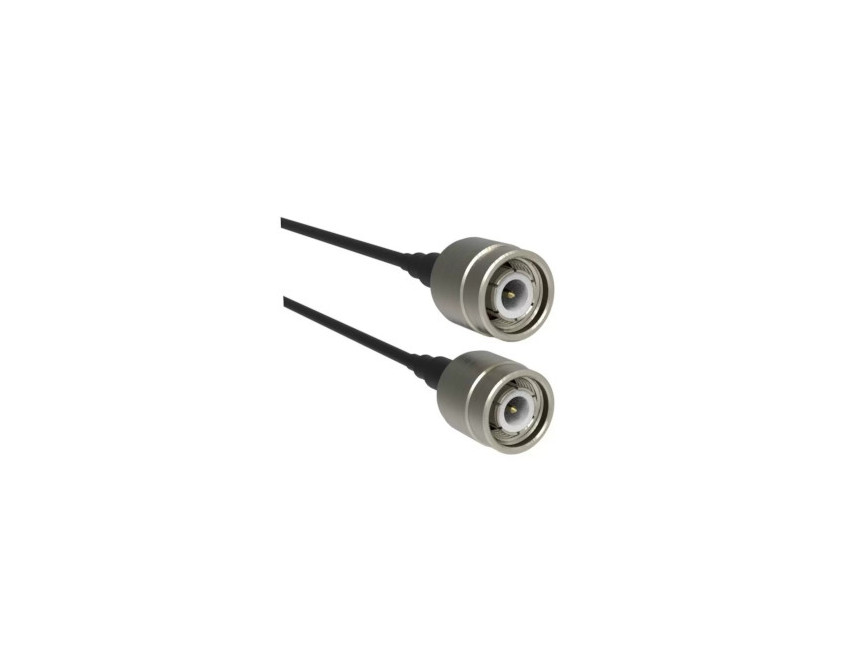
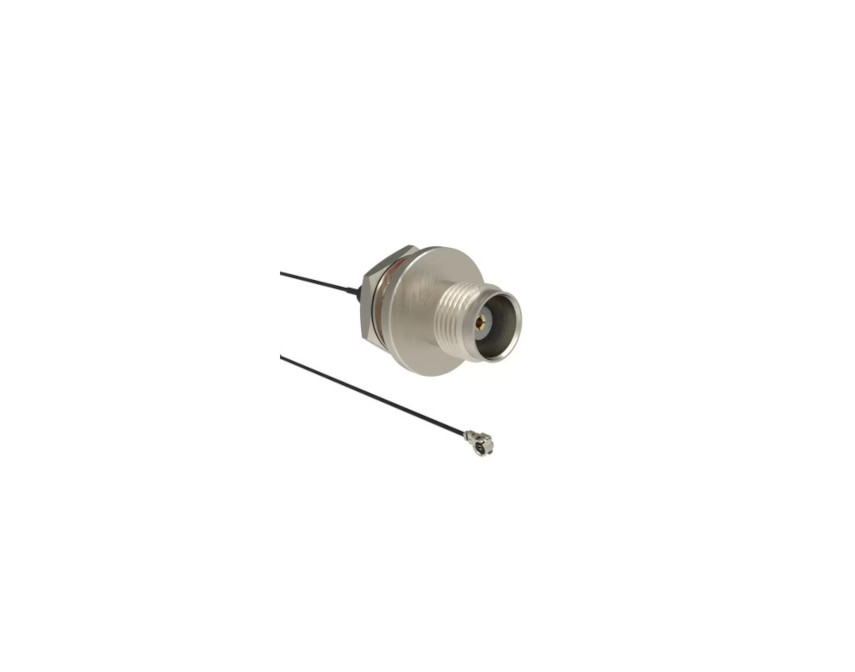
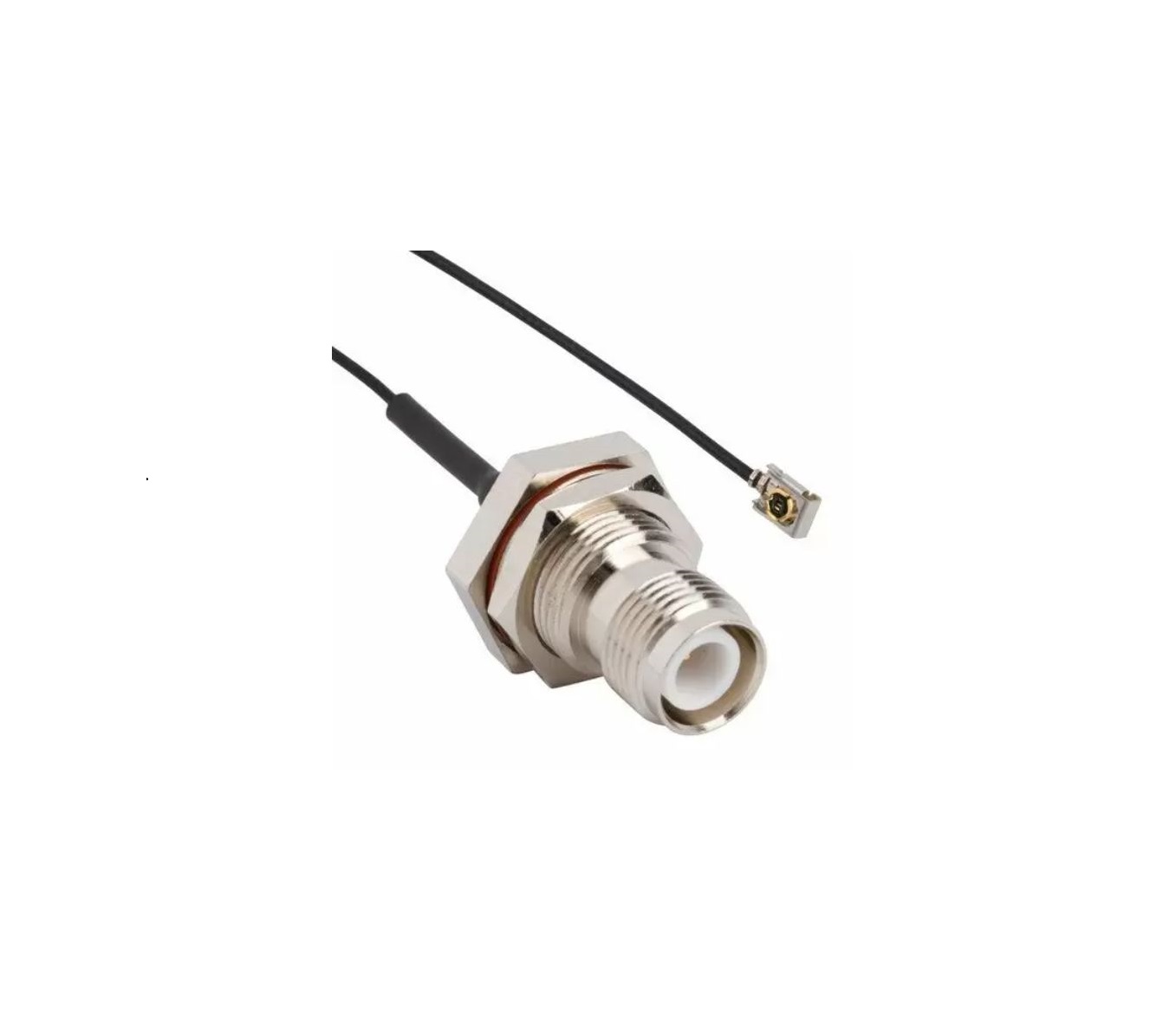
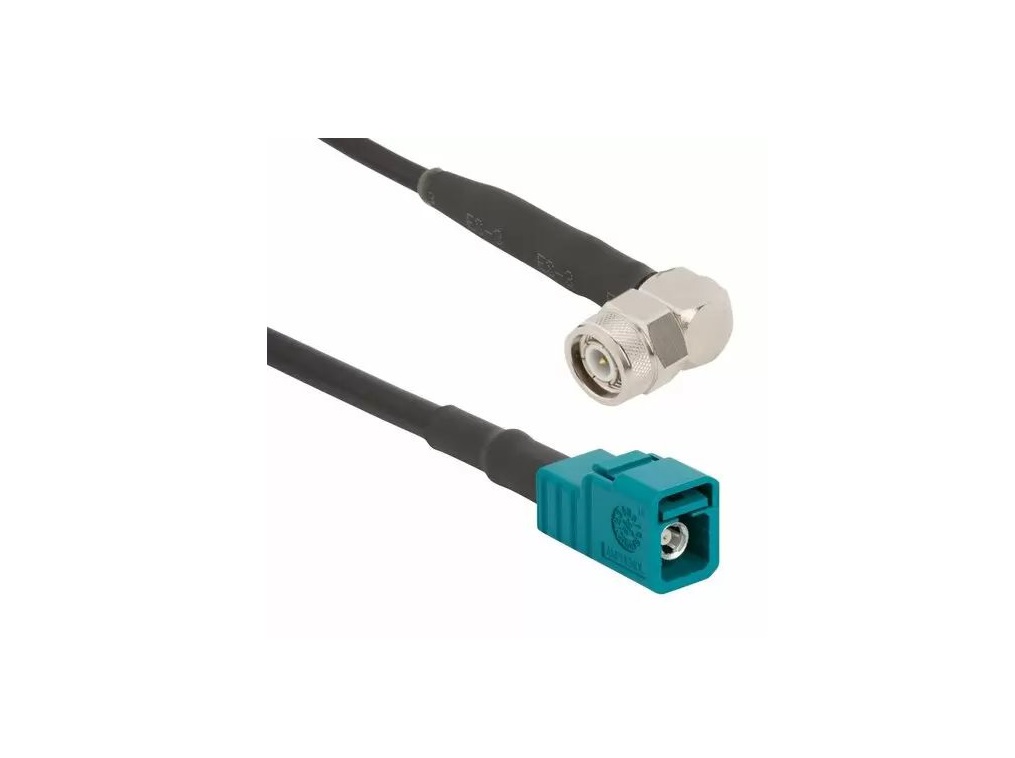
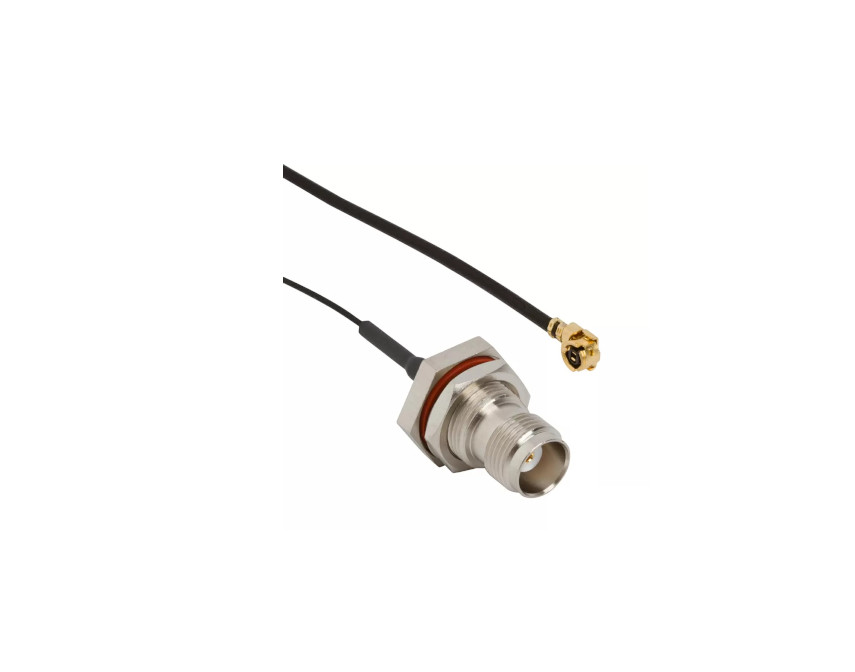
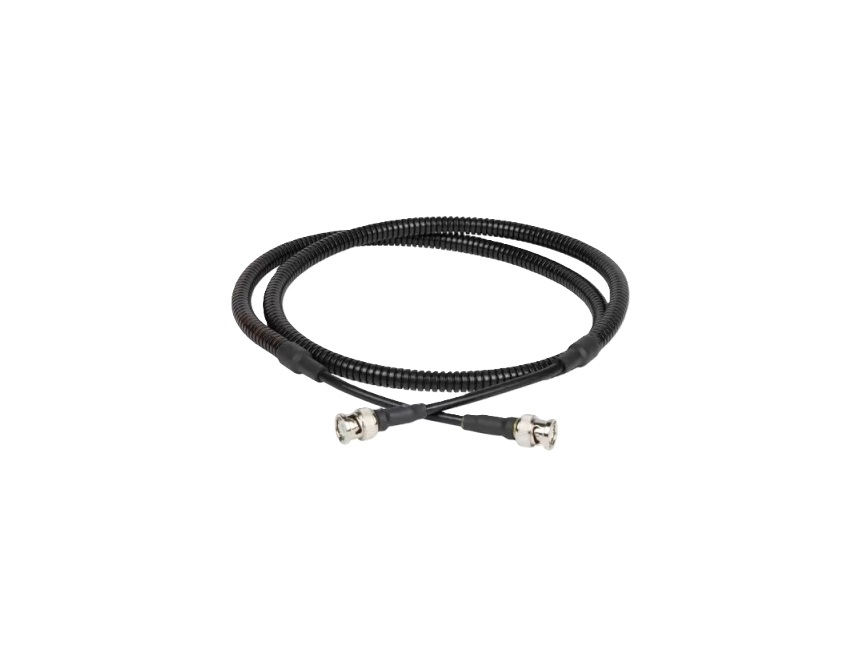
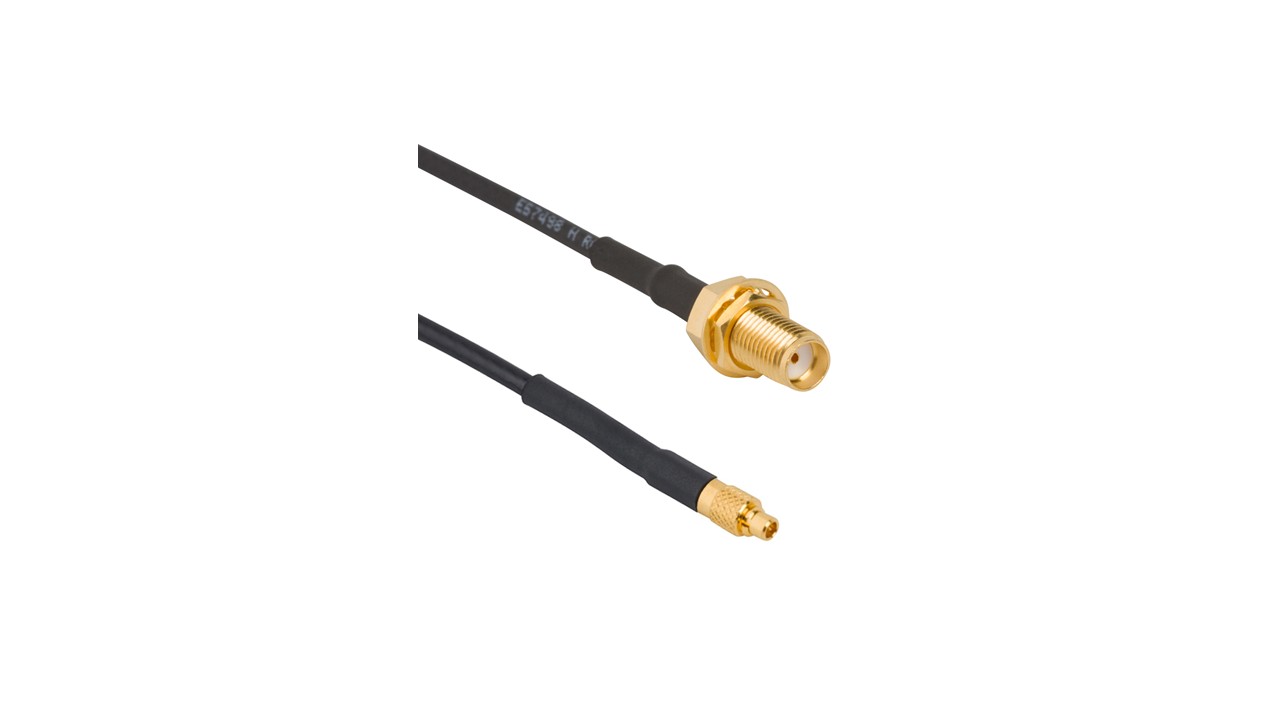
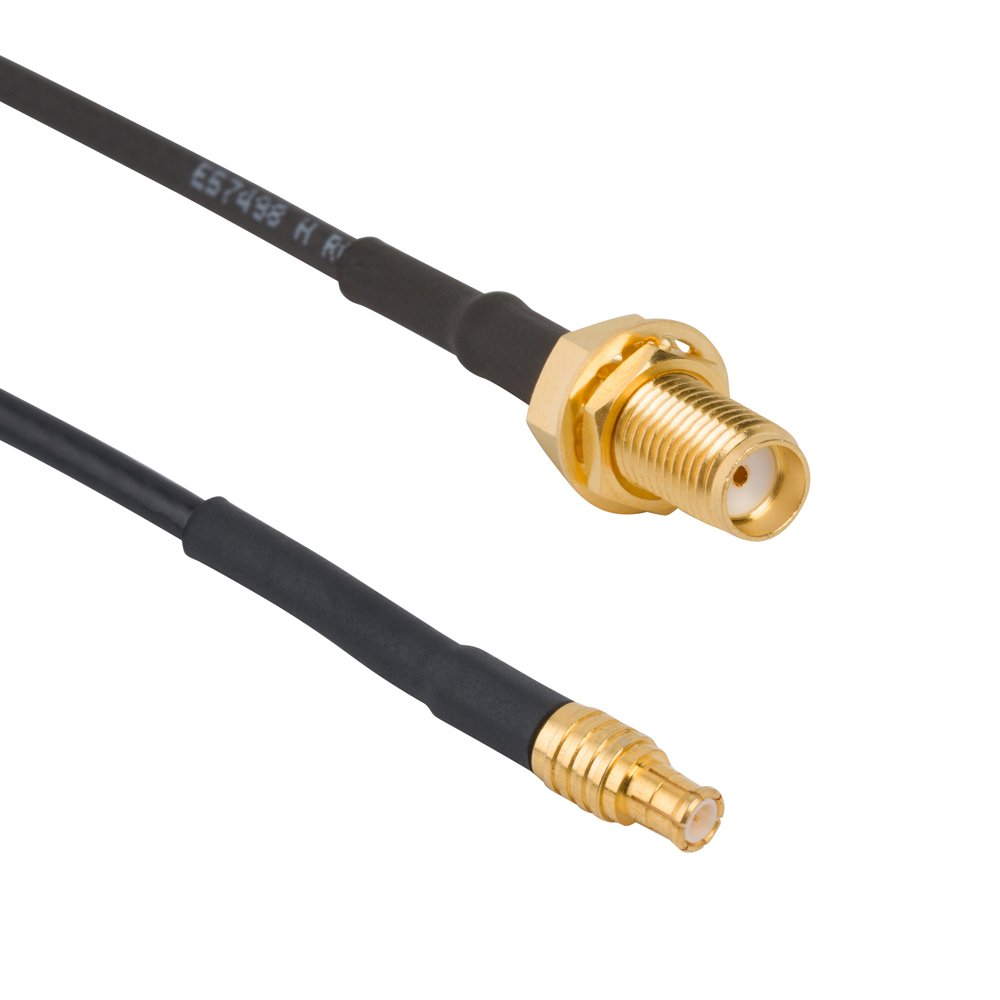
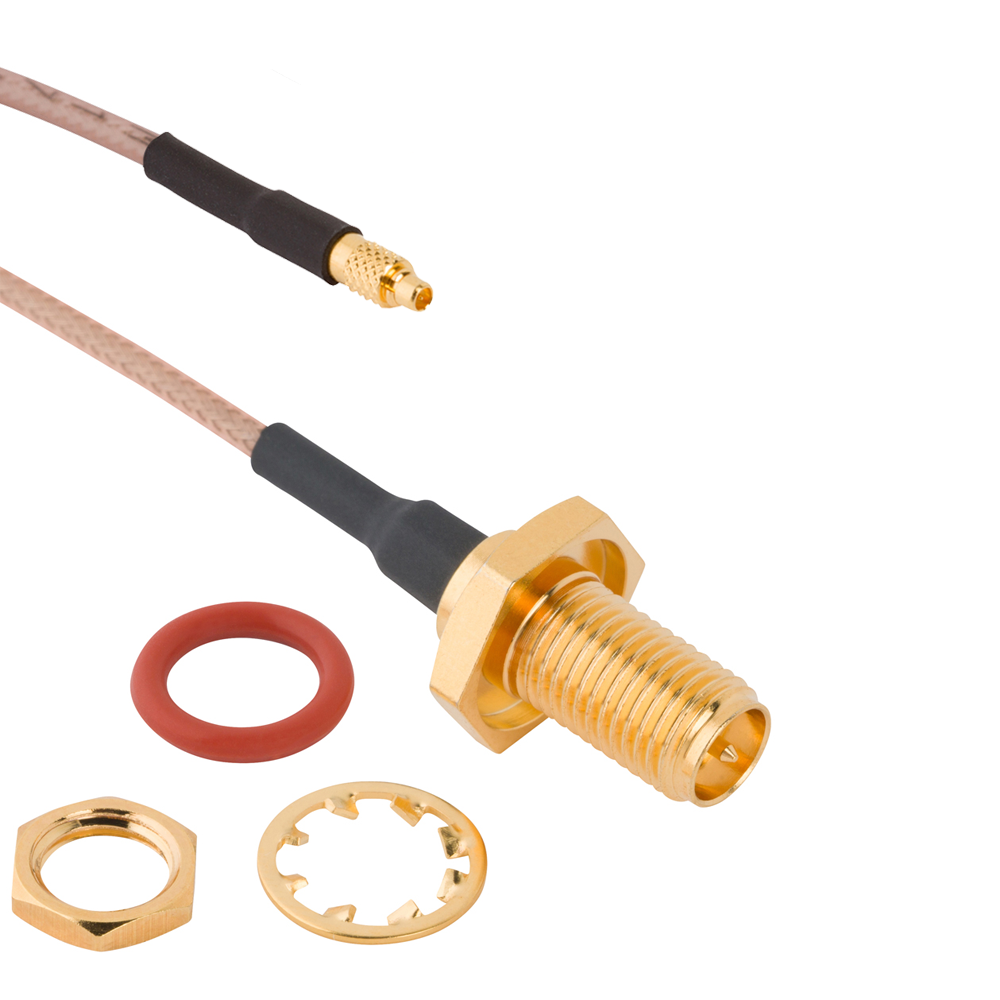
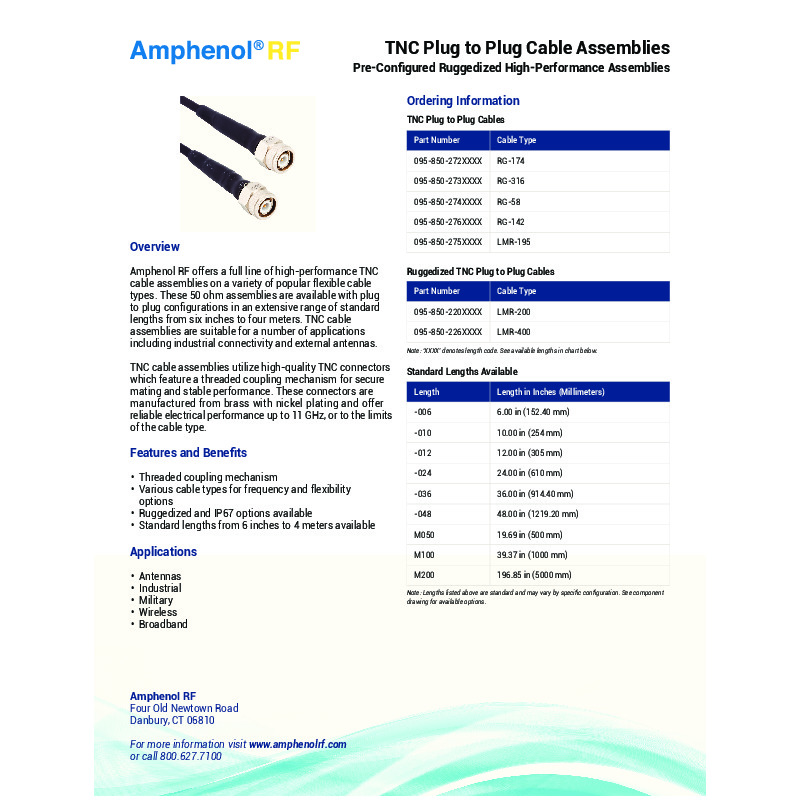
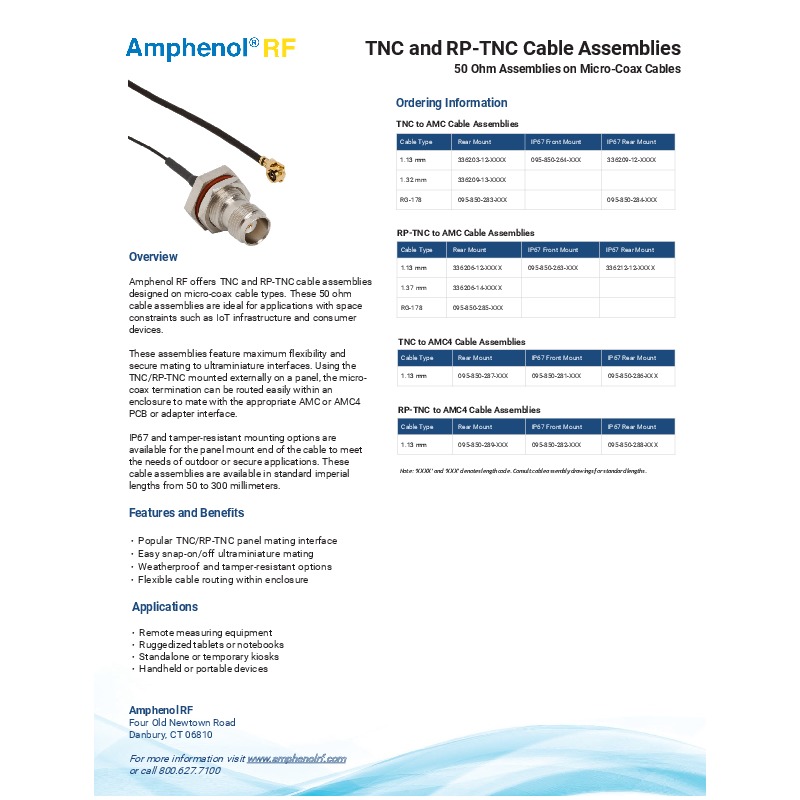
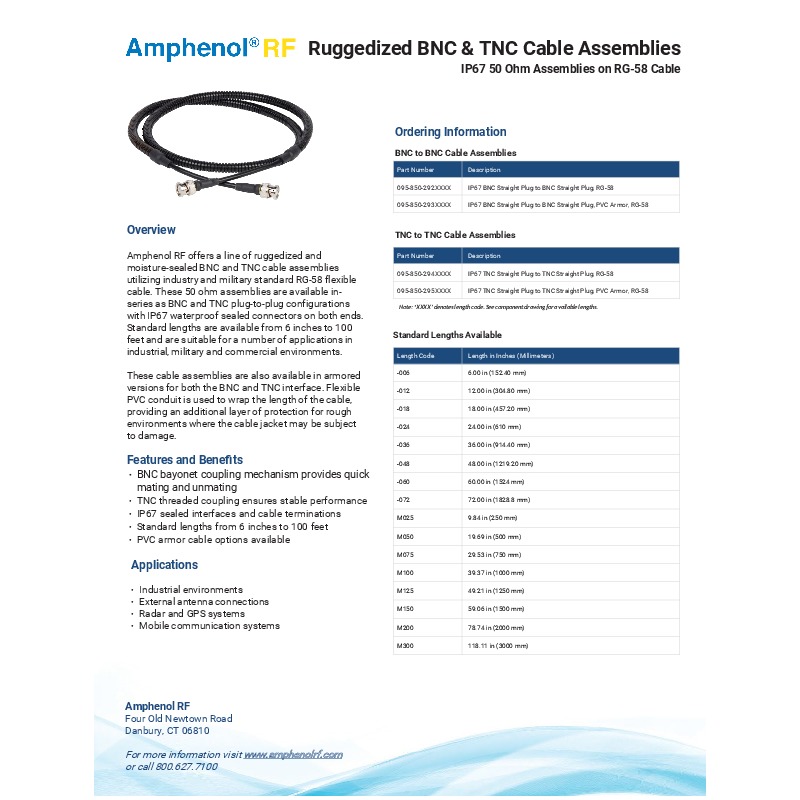
Amphenol RF offers a full range of compatible TNC Adapters and TNC Cable Assemblies. Contact us to discuss a custom RF solution tailored to your application.
Specifications
TNC Connectors
Electrical
| Impedance | 50 Ohm |
| Frequency Range | DC - 11 GHz (DC - 18 GHz on Extended Range Designs) |
| Voltage Rating | 500 Volts Peak |
| Dielectric Withstanding Voltage | 1500 VRMS Max |
| VSWR (Return Loss) |
|
|
DC - 11 GHz
|
1.3 (-18 dB) Max |
| Insulation Resistance | 5000 MΩ Min |
| Center Contact Resistance | 1.5 mΩ Max |
| Outer Contact Resistance | 0.2 mΩ Max |
| RF Leakage | -60 dB Max @ 3 GHz |
| Insertion Loss |
|
|
M39012 Straight Connectors
|
0.18 dB Max @ 9 GHz |
|
M39012 Right Angle Connectors
|
0.21 dB Max @ 9 GHz |
| Power Handling | 316 W @ 1 GHz @ 25ºC |
Environmental
| Temperature Range | −65°C to +165°C |
| Thermal Shock | MIL-STD-202, Method 107 (Test Condition B) except high temp test @ +200°C |
| Corrosion | MIL-STD-202, Method 101 (Test Condition B) - 5% Salt Solution |
| Vibration | MIL-STD-202, Method 204 (Test Condition B) |
| Mechanical Shock | MIL-STD-202, Method 213 (Test Condition G) - No Discontinuity Permitted |
| Moisture Resistance | MIL-STD-202, Method 106 |
| Altitude | MIL-STD-202 Method 105 (Test Condition C) |
Mechanical
| Mating Cycles | 500 Min |
| Coupling Mechanism | Threaded |
| Interface Specification | MIL-STD-348 |
| Mating Torque | 4 - 6 inch-pounds (0.51 - 0.67 N-m) |
Note: These characteristics are typical and may not apply to all connectors.
Connector configurations may affect performance.
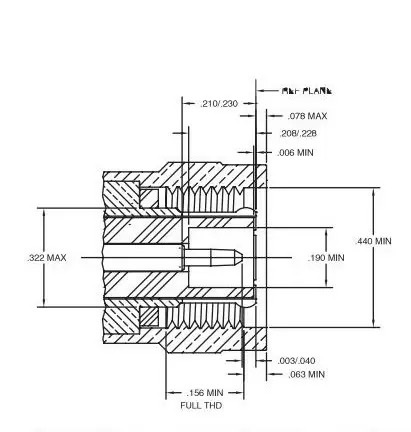
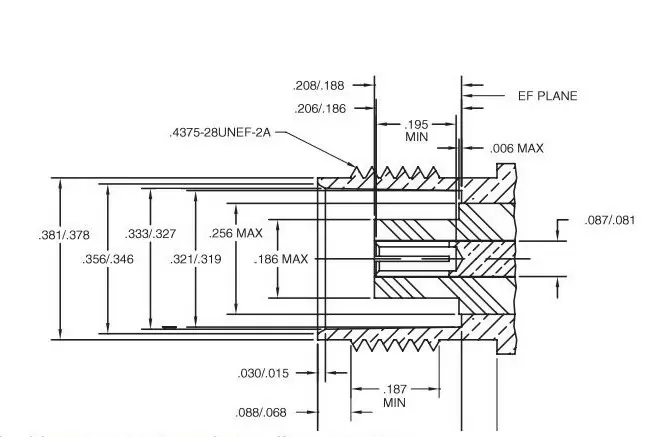
Interface Dimensions
Plug
Jack
Frequently Asked Questions About TNC Connectors
What are TNC connectors used for?
TNC connectors are used in wireless infrastructure, antennas, industrial automation, test and measurement equipment, and outdoor RF applications where secure threaded mating is required.
Are TNC connectors waterproof?
Certain TNC connector designs are available with IP67 sealing for outdoor and harsh environment applications.
What frequency do TNC connectors support?
Standard TNC connectors typically support frequencies up to 11 GHz, while extended range designs can support frequencies up to 18 GHz.
Related Resources

.png)
.jpg)
.png)
.png)

Send us a Message
Please fill in the form below and we will contact you very soon.
Fields marked with an asterisk (*) are required.