
BNC RF Connectors 50 and 75 Ohm Coaxial Connectors
BNC connectors provide a secure bayonet coupling that enables fast installation while maintaining excellent electrical performance. These connectors are one of the most widely used RF coaxial connector interfaces for broadcast video, industrial equipment and laboratory testing.
Overview
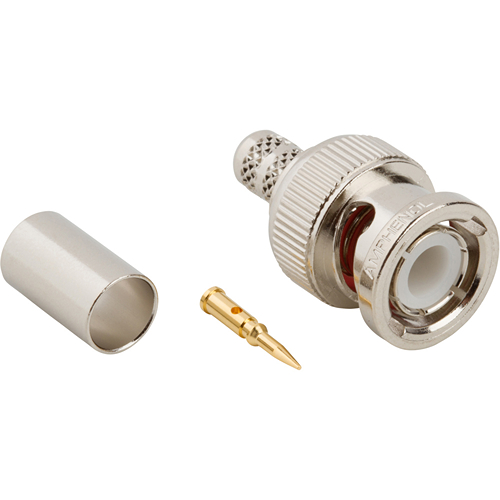
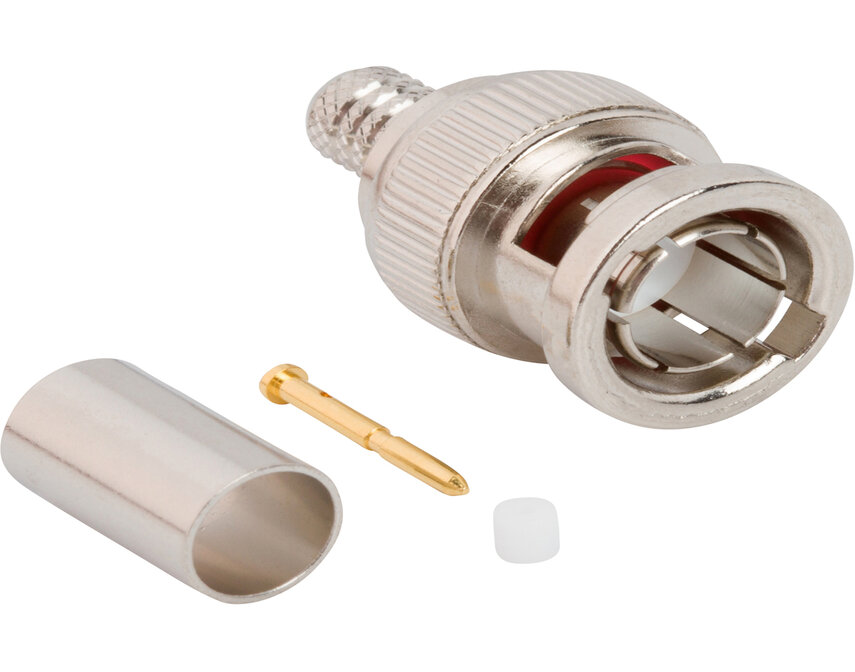
Amphenol RF's BNC connector series provides dependable RF connectivity for Broadcast, Instrumentation, Broadband and Industrial equipment. Featuring a proven bayonet-coupling design, these BNC RF connectors enable fast, secure mating while maintaining excellent signal integrity and consistent electrical performance.
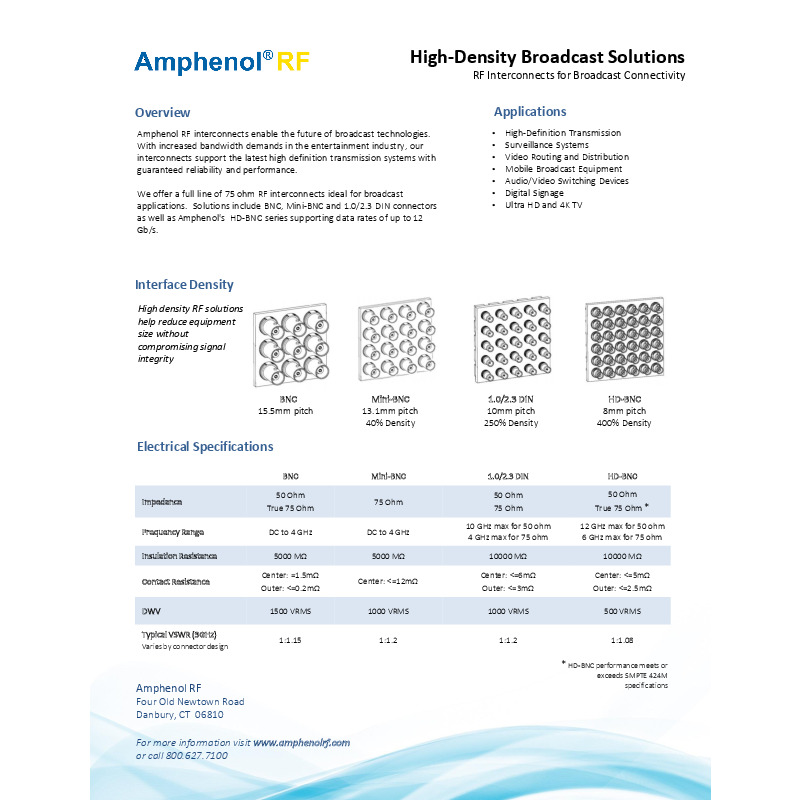
Available in both 50 Ω and 75 Ω impedance options, our BNC connectors are engineered to support a wide range of RF and video systems. Standard designs operate through 4 GHz, while extended-performance solutions support frequencies up to 12 GHz when paired with compatible broadcast cable assemblies. With cable mount, panel mount, bulkhead and right-angle configurations available, Amphenol RF offers reliable connectivity solutions for new system designs, upgrades and equipment maintenance.
Features and Benefits
- Easy bayonet coupling enables fast, tool-less mating and secure retention
- Dual impedance support offers 50 Ω for general RF use and 75 Ω for high-bandwidth video systems
- High-frequency capability with broadcast-grade assemblies rated to 12 GHz
- Lab-grade durability—precision contacts withstand frequent mating cycles
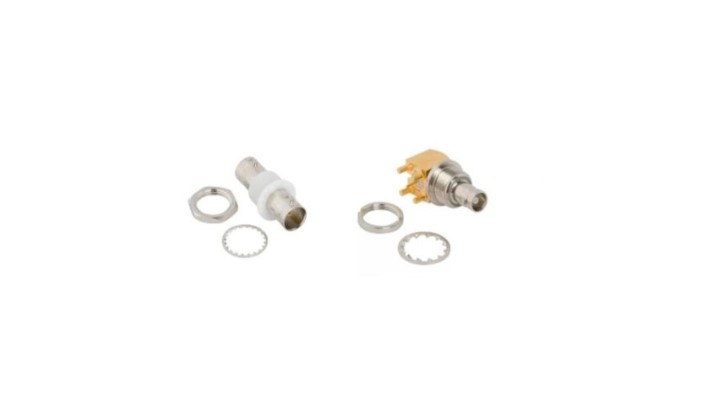
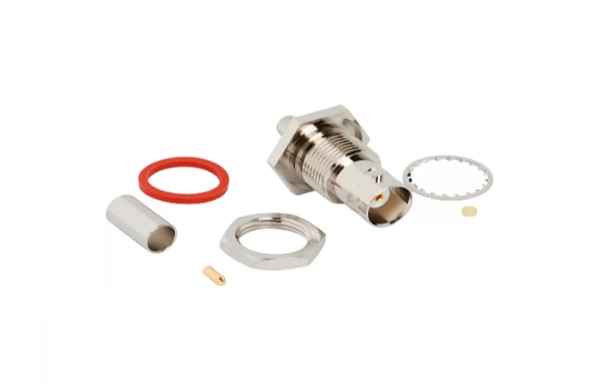
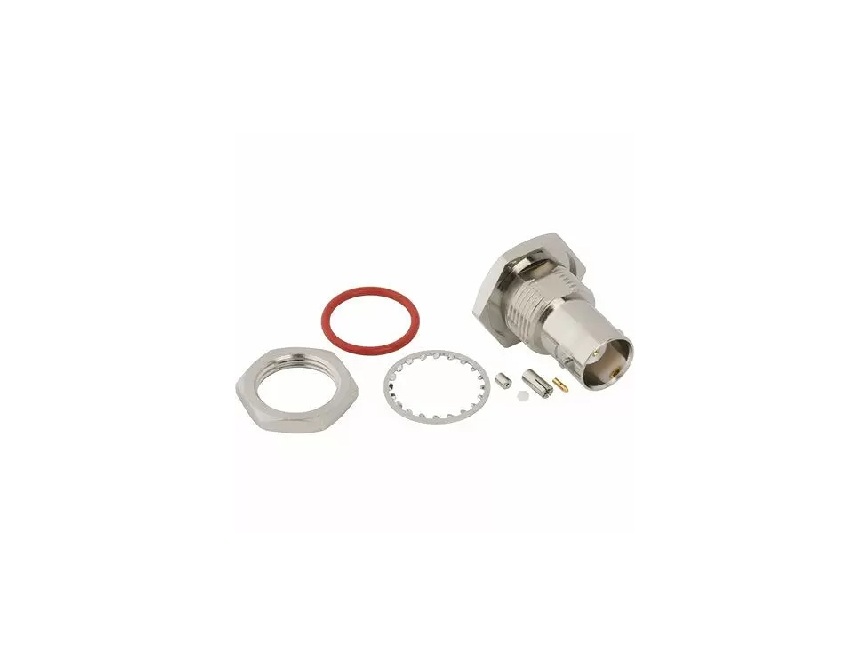
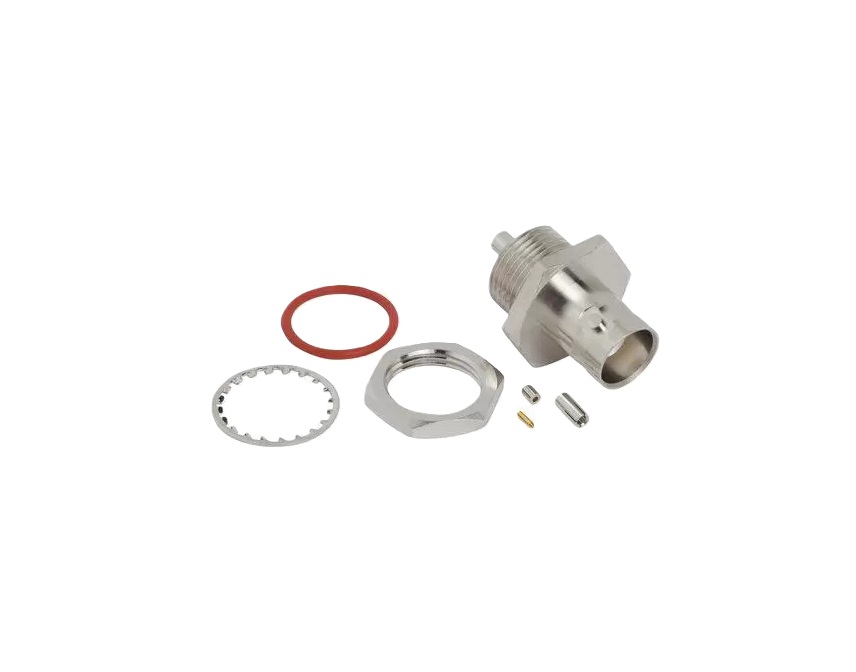
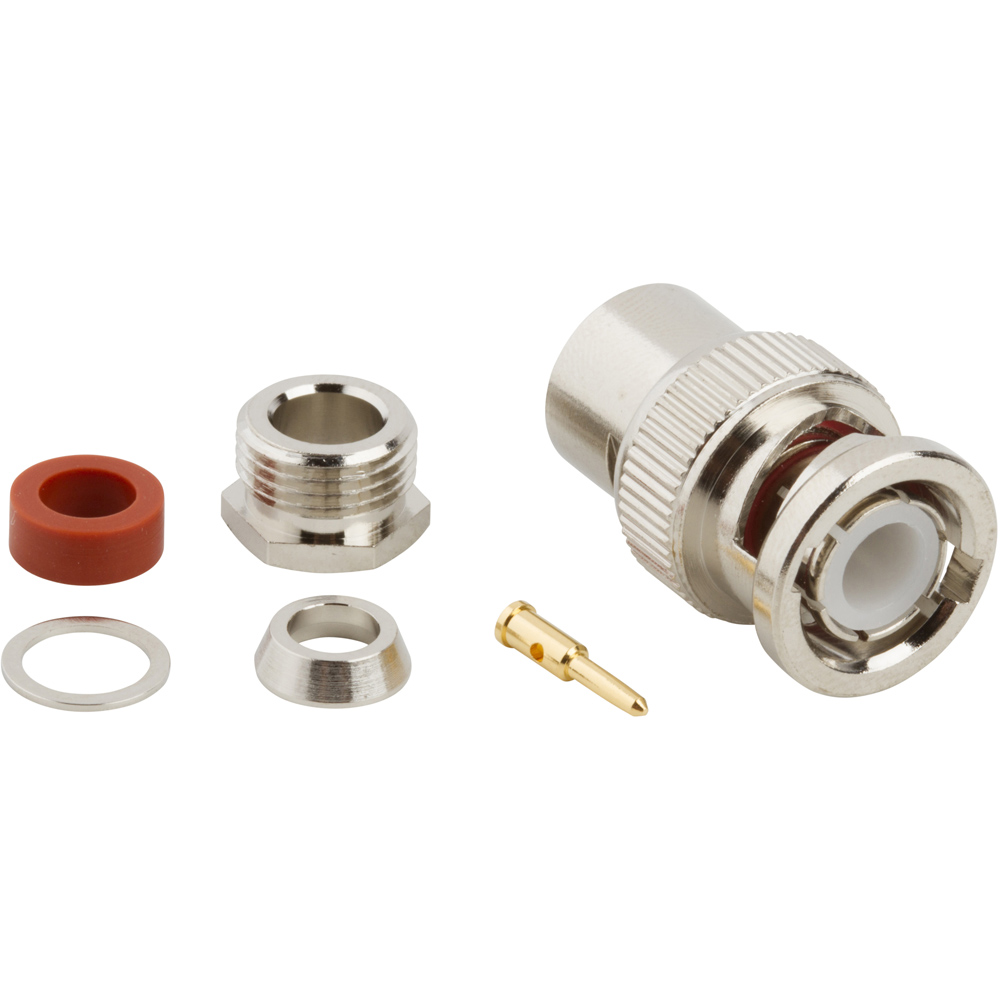
- Versatile form factors include cable-mount, panel-mount, right-angle, and bulkhead versions
Key Technical Details
- Impedance types: 50 Ω and 75 Ω variants available based on application
- Frequency rating: Standard RF to ~4 GHz; video-grade setups support up to 12 GHz (cable dependent)
- Coupling mechanism: Bayonet style for fast and reliable connections
- Contact integrity: Gold-plated contacts maintain consistent return and insertion loss
- Mounting options: Cable, panel, right-angle, and bulkhead versions to suit various installations
Applications
- Test and measurement equipment, Oscilloscopes and signal generators
- Broadcast television and 12G-SDI video systems
- Security and surveillance equipment
- Industrial automation systems
- Video production equipment
- Military communications and avionics testing
Browse our full BNC connector lineup to select the ideal impedance, mounting style, and frequency capability. For custom assemblies, specific cable pairings, or guidance on broadcast-grade requirements, contact our engineering team to explore tailored solutions.
Related Products
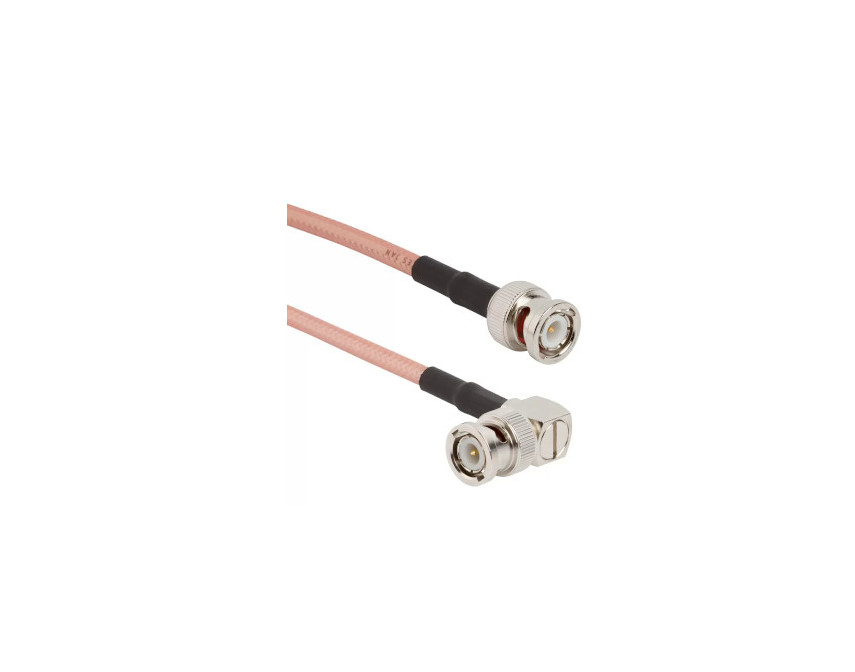
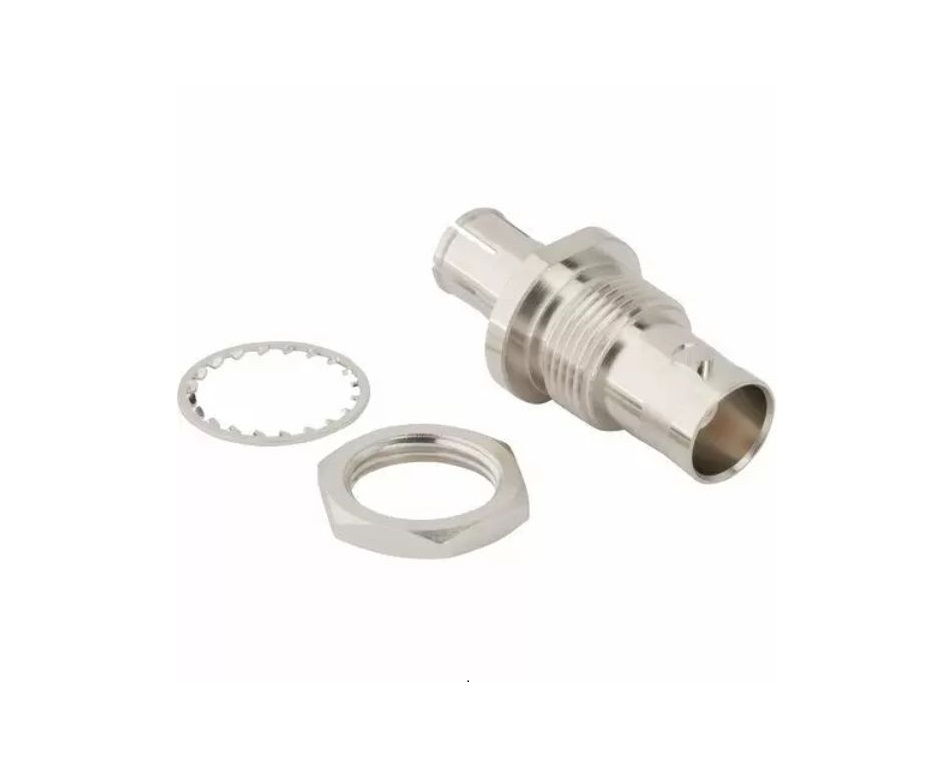
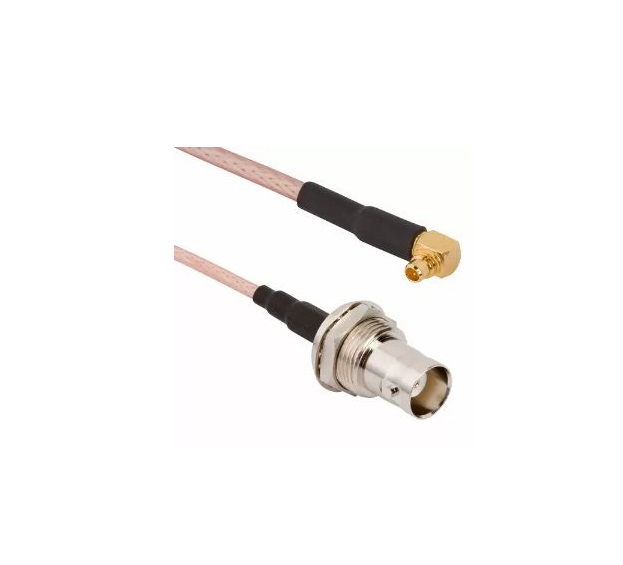
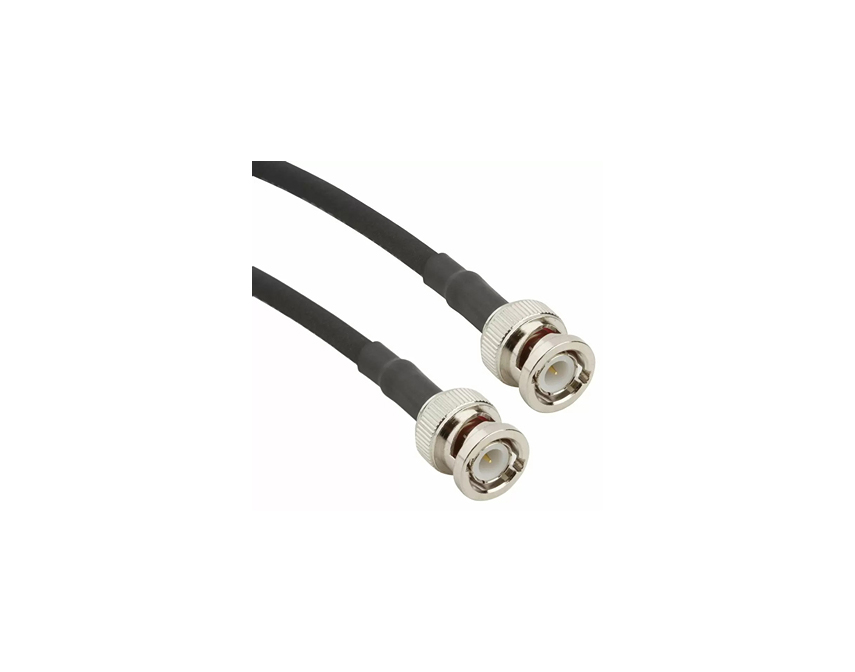
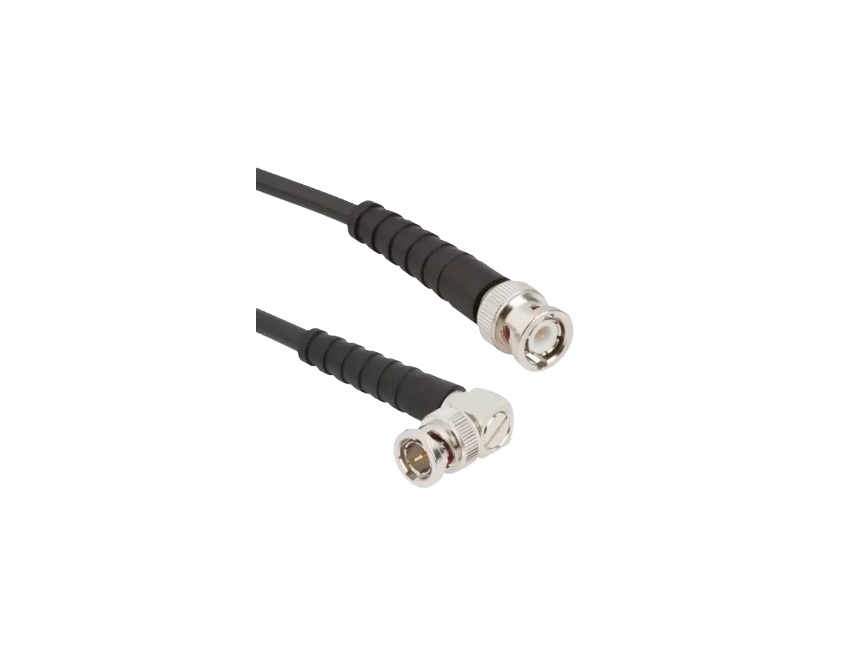
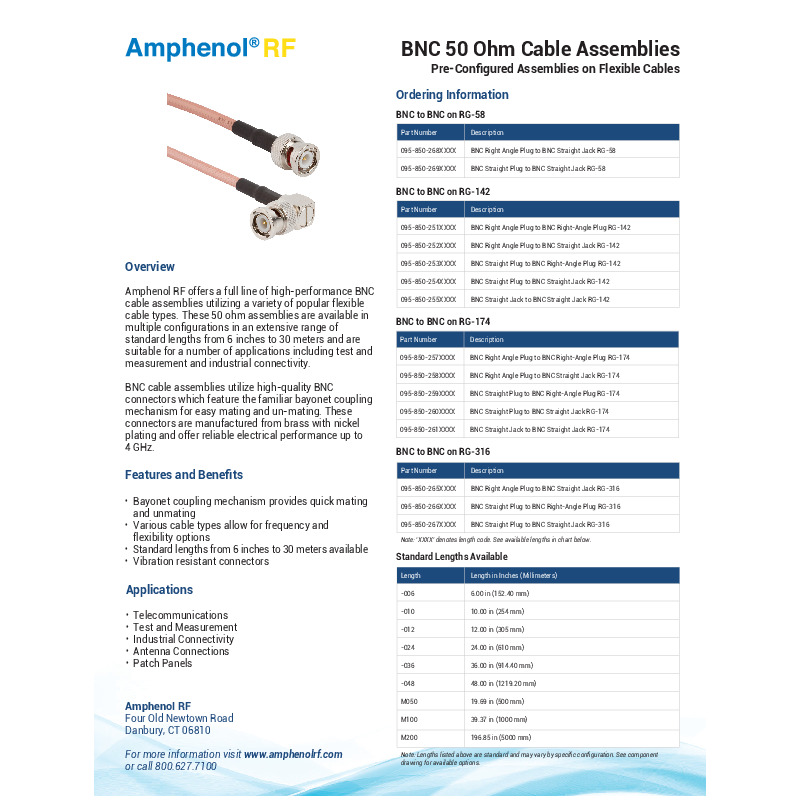
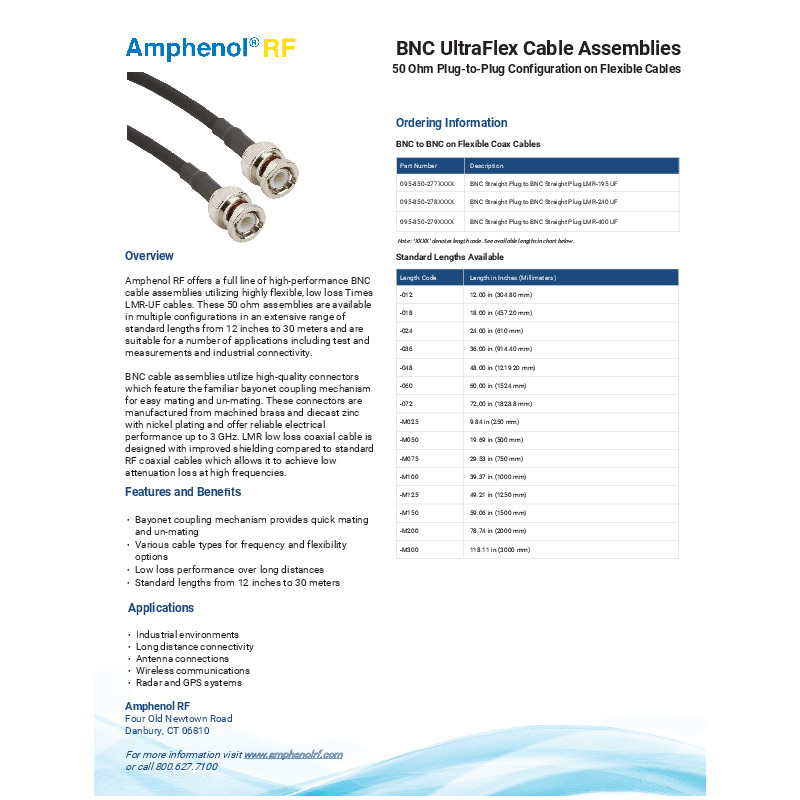
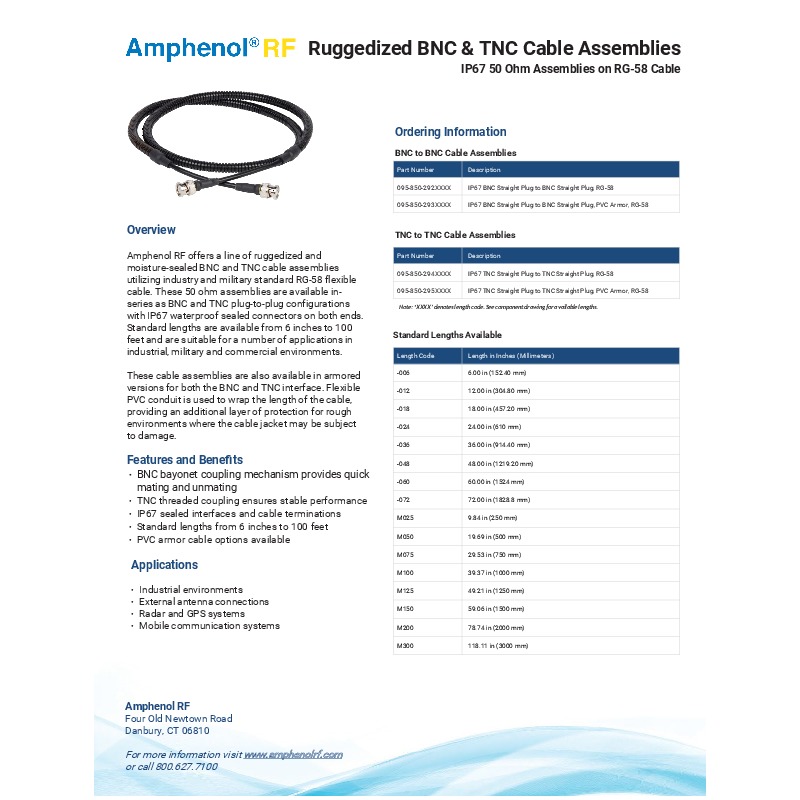
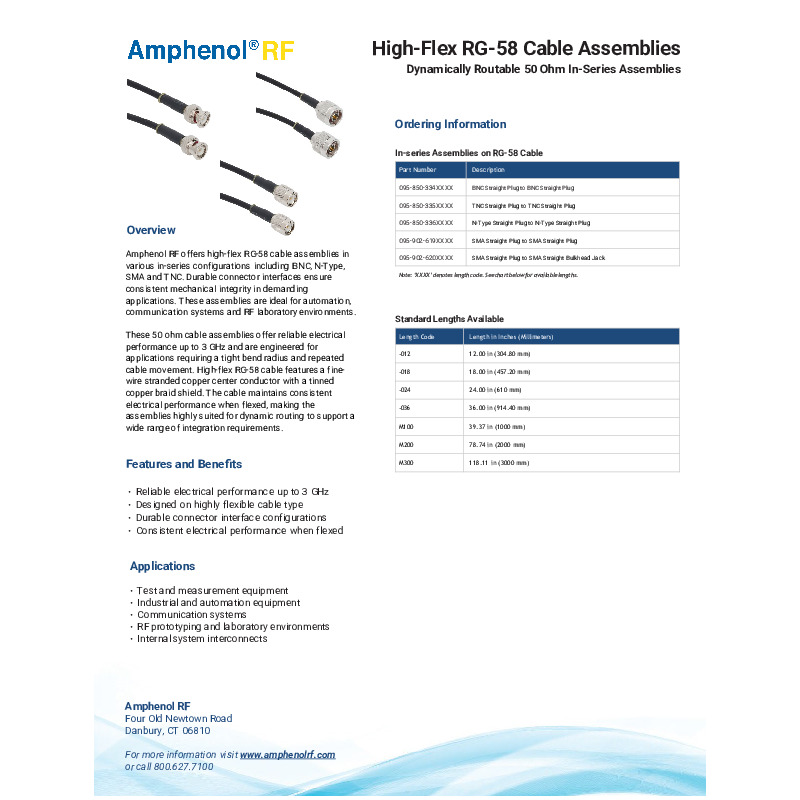
Amphenol RF offers a full range of compatible BNC Adapters and BNC Cable Assemblies
Specifications
BNC Connectors
50 Ohm
Electrical
| Impedance | 50 Ohm |
| Frequency Range | DC - 4 GHz (DC -12 GHz on Extended Range Designs) |
| Voltage Rating | 500 Volts RMS Max Continuous |
| Dielectric Withstanding Voltage | 1500 VRMS Max |
| VSWR (Return Loss) | |
|
DC - 4 GHz
|
1.3 (-18 dB) Max |
| Insulation Resistance | 5000 MΩ Min |
| Center Contact Resistance | 1.5 mΩ Min |
| Outer Contact Resistance | 0.2 mΩ Min |
| RF Leakage | 55 dB Max @ 3 GHz |
| Insertion Loss | 0.2 dB Max @ 3 GHz |
| Power Handling | 316 W Max @ 1 GHz @ 25 ºC |
Environmental
| Temperature Range | −65°C to +165°C |
| Thermal Shock | MIL-STD-202, Method 107 (Test Condition G), except high temp test @ +200⁰C |
| Corrosion | MIL-STD-202, Method 101 (Test Condition B) - 5% Salt Solution |
| Vibration | MIL-STD-202, Method 204 (Test Condition D) |
| Mechanical Shock | MIL-STD-202, Method 213 (Test Condition G) - No Discontinuity Permitted |
| Moisture Resistance | MIL-STD-202, Method 106 |
| Altitude | MIL-STD-202 Method 105 (Test Condition C) |
Mechanical
| Mating Cycles | 500 Min |
| Coupling Mechanism | Bayonet |
| Interface Specification | MIL-STD-348 |
75 Ohm
Electrical
| Impedance | 75 Ohm |
| Frequency Range | DC- 4 GHz (DC - 12 GHz on Extended Range Designs) |
| Voltage Rating | 500 Volts RMS Max Continuous |
| Dielectric Withstanding Voltage | 1500 VRMS Max |
| VSWR (Return Loss) | |
|
DC - 4 GHz
|
1.5 (-14 dB) Max |
|
12G Products: DC - 6 GHz
|
1.22 (-20 dB) Max |
|
12G Products: 6 - 12 GHz
|
1.43 (-15 dB) Max |
| Insulation Resistance | 5000 MΩ Min |
| Center Contact Resistance | 1.5 mΩ Min |
| Outer Contact Resistance | 0.2 mΩ Min |
| RF Leakage | 55 dB Max @ 3 GHz |
| Insertion Loss | 0.2 dB Max @ 3 GHz |
| Power Handling | 316 W Max @ 1 GHz @ 25ºC |
Environmental
| Temperature Range | −65°C to +165°C
|
| Thermal Shock | MIL-STD-202, Method 107 (Test Condition G), except high temp test @ +200⁰C
|
| Corrosion | MIL-STD-202, Method 101 ( Test Condition B) - 5% Salt Solution
|
| Vibration
|
MIL-STD-202, Method 204 (Test Condition D) |
| Mechanical Shock
|
MIL-STD-202, Method 213 (Test Condition G) - No Discontinuity Permitted
|
| Moisture Resistance
|
MIL-STD-202, Method 106
|
| Altitude
|
MIL-STD-202, Method 105 (Test Condition C)
|
Mechanical
| Mating Cycles
|
500 Min
|
| Coupling Mechanism | Bayonet
|
| Interface Specification
|
MIL-STD-348
|
Note: These characteristics are typical and may not apply to all connectors.
Connector configurations may affect performance.
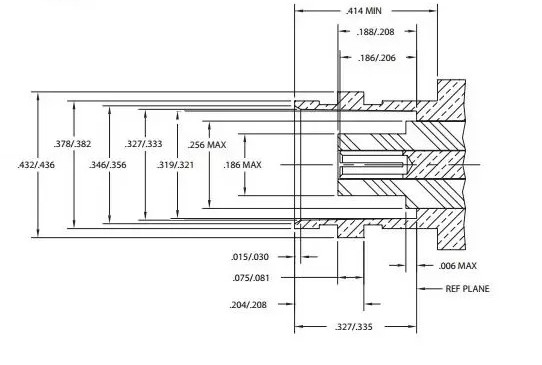
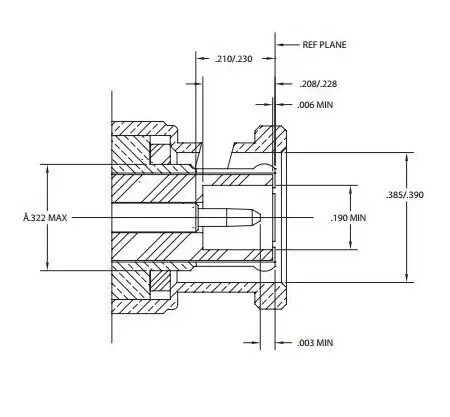
Interface Dimensions
Jack
Plug
Frequently Asked Questions About BNC Connectors
What is a BNC connector used for?
BNC connectors are commonly used to transmit RF and video signals in applications such as test and measurement equipment, broadcast systems, security cameras, telecommunications, and industrial electronics. Their bayonet-coupling design provides a quick, secure connection that is ideal for applications requiring frequent mating and unmating.
What is the difference between 50 Ω and 75 Ω BNC connectors?
The primary difference is impedance. 50 Ω BNC connectors are designed for RF communication, wireless systems, and test and measurement equipment where power handling is important. 75 Ω BNC connectors are optimized for video transmission, broadcast, and high-definition digital video applications, providing lower signal loss for video signals. Using the correct impedance helps maintain signal integrity and minimize reflections.
What frequency can BNC connectors support?
Standard BNC connectors typically support frequencies up to 4 GHz, while precision 75 Ω BNC connectors designed for broadcast applications can support frequencies up to 12 GHz. The maximum operating frequency depends on the connector design, cable type, and overall system configuration.
Related Resources
.jpg)
.png)



Send us a Message
Please fill in the form below and we will contact you very soon.
Fields marked with an asterisk (*) are required.