
Articles & News
Blog
Humanoid Robots in the Warehouse: RF Infrastructure Behind Industrial Automation
7/22/2026
Updated:
7/28/2026
Written By: Lindsay Sperling, Manager of Marketing Communications

The Rise of Warehouse Humanoids
When people think about warehouse humanoid robots, they often focus on the visible capabilities such as picking items from shelves, transporting inventory, navigating crowded aisles and working safely alongside human employees. What often goes unnoticed is the communication infrastructure that enables these systems to operate reliably throughout every shift. Unlike traditional industrial robots designed to perform repetitive tasks within fixed work cells, humanoid robots must perceive their surroundings, interpret changing conditions and make decisions in real time. This flexibility is made possible through artificial intelligence, edge computing and a sophisticated network of sensors that continuously collect and process environmental data. Reliable RF connectivity serves as the foundation that allows these technologies to work together as an integrated system. Modern warehouse humanoids rely on a constant stream of information from cameras, LiDAR, radar and ultrasonic sensors to understand their surroundings. Each technology contributes unique data that supports navigation, object recognition and collision avoidance. Cameras provide visual information for identifying objects and reading labels, LiDAR creates accurate three-dimensional maps, radar performs reliably in dusty or low-visibility environments and ultrasonic sensors assist with close-range obstacle detection. Together, these sensing technologies create a comprehensive understanding of the warehouse environment. The amount of information generated by these systems continues to increase as robots become more intelligent. Every sensor must communicate with onboard processors while maintaining low latency and exceptional signal integrity. Whether a robot is identifying a package, locating an empty pallet position or safely navigating around warehouse personnel, dependable communication pathways directly influence operational accuracy and overall productivity.Why Connectivity Matters in Industrial Environments
Industrial warehouses create demanding operating conditions for every component within a robotic platform. Humanoid robots are expected to operate continuously while exposed to vibration, repetitive joint movement, electromagnetic interference from motors and power electronics, temperature fluctuations and frequent maintenance cycles. Internal cable assemblies must flex through articulated joints thousands of times each day without compromising electrical performance. Designers also face increasing pressure to integrate more sensing technologies into increasingly compact platforms. Additional cameras, radar modules and wireless communication systems require more RF connections while available installation space continues to shrink. As a result, RF interconnect solutions must support high data rates, maintain excellent signal integrity and provide long-term mechanical reliability within densely packaged assemblies. 1 Selecting the appropriate RF connector involves balancing multiple design considerations. High-frequency performance and low insertion loss help preserve signal quality throughout the communication path, while effective shielding minimizes susceptibility to electromagnetic interference generated by nearby electronic systems. Secure mating characteristics reduce the risk of intermittent connections caused by vibration or continuous movement, and compact connector designs allow engineers to maximize available packaging space without sacrificing performance.
Enabling Real-Time Perception and Decision Making
Sensor fusion has become one of the defining characteristics of modern humanoid robotics. Rather than relying on a single sensing technology, advanced robotic systems combine information from multiple sensors to improve environmental awareness and increase decision-making accuracy. This approach places significant demands on the communication architecture inside the robot. Large volumes of sensor data must move efficiently between sensing devices, onboard processors and wireless communication modules while maintaining timing accuracy and signal integrity. As artificial intelligence algorithms become increasingly sophisticated, these bandwidth requirements will continue to grow. Reliable RF interconnect technology plays an important role in supporting these architectures. High-performance connectors and cable assemblies help maintain consistent electrical performance throughout the system, enabling dependable communication between sensing, processing and wireless communication subsystems. This supports faster decision-making while helping maintain the precision required for safe operation within busy warehouse environments.Designing for Scalability
Warehouse automation continues to evolve from isolated robotic systems toward connected fleets operating within intelligent facilities. Humanoid robots increasingly communicate with warehouse management software, autonomous mobile robots, edge computing infrastructure and private wireless networks to coordinate tasks and optimize facility operations. Supporting this level of connectivity requires communication systems capable of transmitting growing amounts of data while maintaining reliable performance over extended operating cycles. As fleets expand and robotic capabilities continue to mature, the communication infrastructure inside each robot becomes an increasingly important contributor to system reliability, maintenance requirements and overall operational efficiency.
Engineering Connectivity Solutions for Humanoid Robotics
Meeting these design challenges requires RF interconnect solutions that combine electrical performance with mechanical durability. Compact connector interfaces help engineers integrate more communication channels within limited installation space while maintaining the signal integrity required by high-speed data systems. Amphenol RF's AUTOMATE® Mini-FAKRA Type A connector series supports data transmission rates up to 20 Gbps while reducing installation space requirements by up to 80 percent compared to traditional FAKRA interfaces. 2 Available in single, dual and quad-port configurations with mechanical keying and color-coded housings, these connectors simplify assembly while supporting high-density system architectures. For robotic platforms operating in demanding industrial environments, Amphenol RF also offers a broad portfolio of ruggedized RF interconnect solutions, including IP67 and IP68-rated products designed to withstand exposure to dust, moisture and other environmental challenges. Complementing these products are Mini-FAKRA breakout cable assemblies built using highly flexible TFC-302LL cable. These assemblies provide engineers with practical interfaces for prototype development, validation testing and system integration while accommodating the repeated motion associated with articulated robotic joints. Beyond its standard product portfolio, Amphenol RF works closely with customers to address application-specific design challenges. By collaborating early in the development process, the company's global engineering team helps optimize connector selection, cable routing and overall RF performance, enabling customers to accelerate development while reducing design risk.
Building the Next Generation of Intelligent Automation
As warehouse automation advances, humanoid robots will continue to become more capable, more connected and more intelligent. Artificial intelligence, machine vision and autonomous decision-making will drive new opportunities for improving warehouse efficiency, but these technologies depend on communication systems that deliver reliable high-speed data throughout the robotic platform. The performance of future humanoid robots will be determined not only by their software and mechanical design, but also by the quality of the RF infrastructure connecting every sensor, processor and wireless communication module. By delivering compact, high-performance interconnect solutions backed by engineering expertise and collaborative design support, Amphenol RF helps customers develop robotic platforms prepared for the next generation of industrial automation.Learn more: RF Interconnect Solutions for Humanoid Robotics Overview
Related Resources
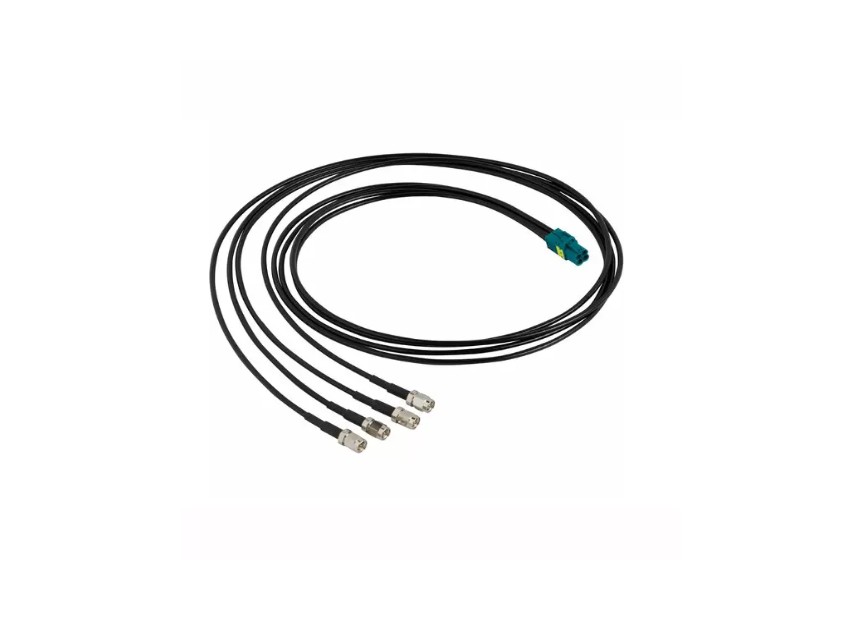
Optimize space and increase bandwidth with multi-port mini-FAKRA breakout cables
Amphenol RF is pleased to expand its cable assembly portfolio with fixed length AUTOMATE Type A Mini-FAKRA quad-port jack to (4) SMA plugs or jacks designed on low loss TFC-302LL cable.
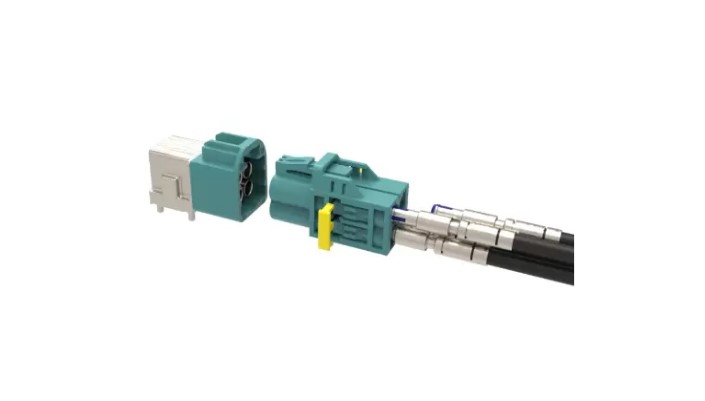
What is Position Assurance?
Position assurance helps ensure that a connector’s components remain in the correct position. Sometimes called a secondary latch or secondary lock, it is commonly used in automotive connectors such as FAKRA and Amphenol RF’s AUTOMATE Mini-FAKRA connector system. Two common types are terminal position assurance (TPA) and connector position assurance (CPA).
RF interconnect for compute modules
Let’s start with the basics - what are compute modules? Compute modules are devices within a vehicle that process inputs and store data.
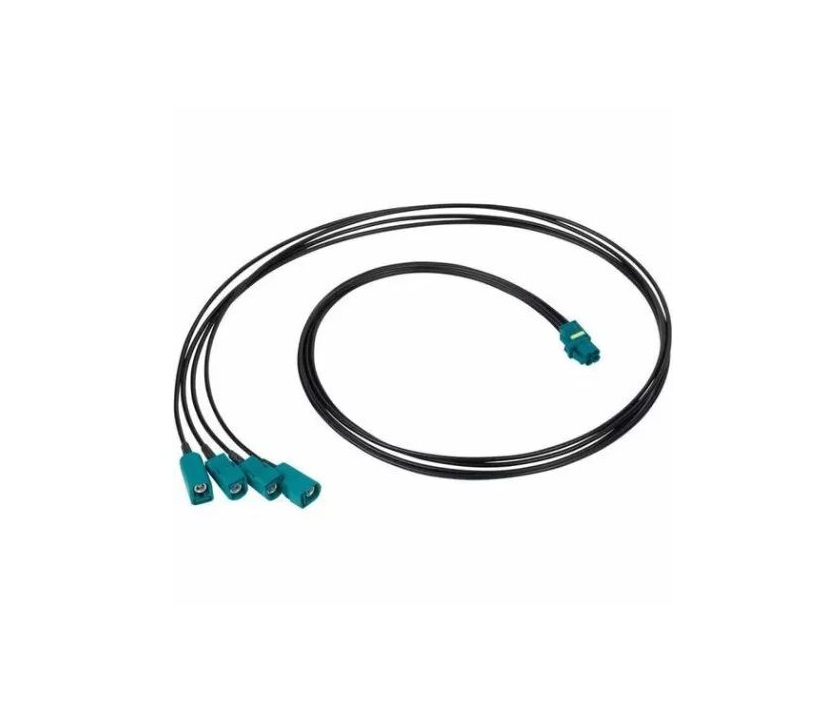
Optimize space with Mini-FAKRA to IP67 FAKRA automotive interconnect cable solutions
Amphenol RF is pleased to expand our AUTOMATE Type A mini-FAKRA breakout cable line with additional connector configurations and cable types.
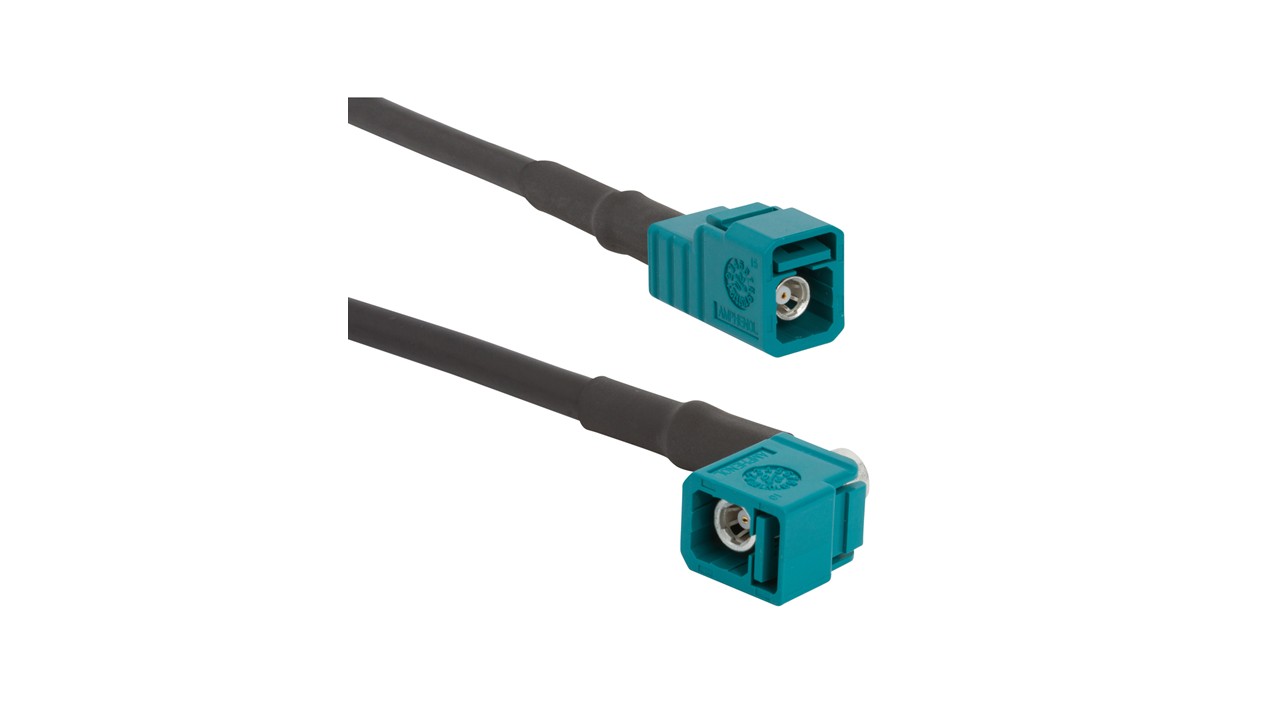
Develop next-generation automotive applications with pre-configured FAKRA cable assemblies
Amphenol RF introduces a line of pre-configured FAKRA cable assemblies supporting frequencies through 3 GHz and ideal for a wide range of automotive development applications.
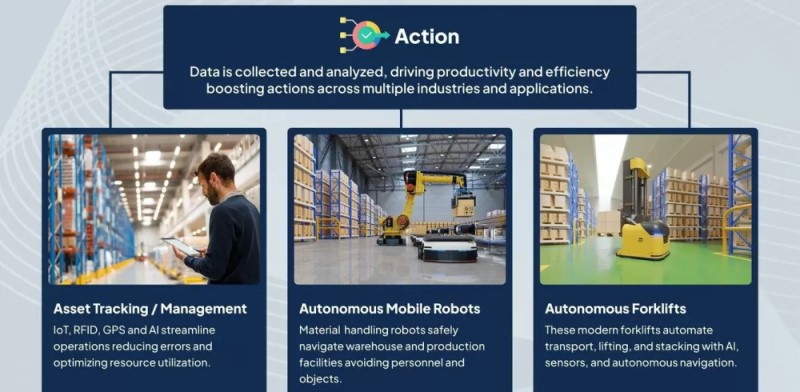
Driving the Future: How Autonomous Technology is Transforming Industries
Explore how RF connectors, antennas and cable assemblies support autonomous robots, industrial vehicles, drones and connected devices by linking sensors, compute modules and wireless networks.
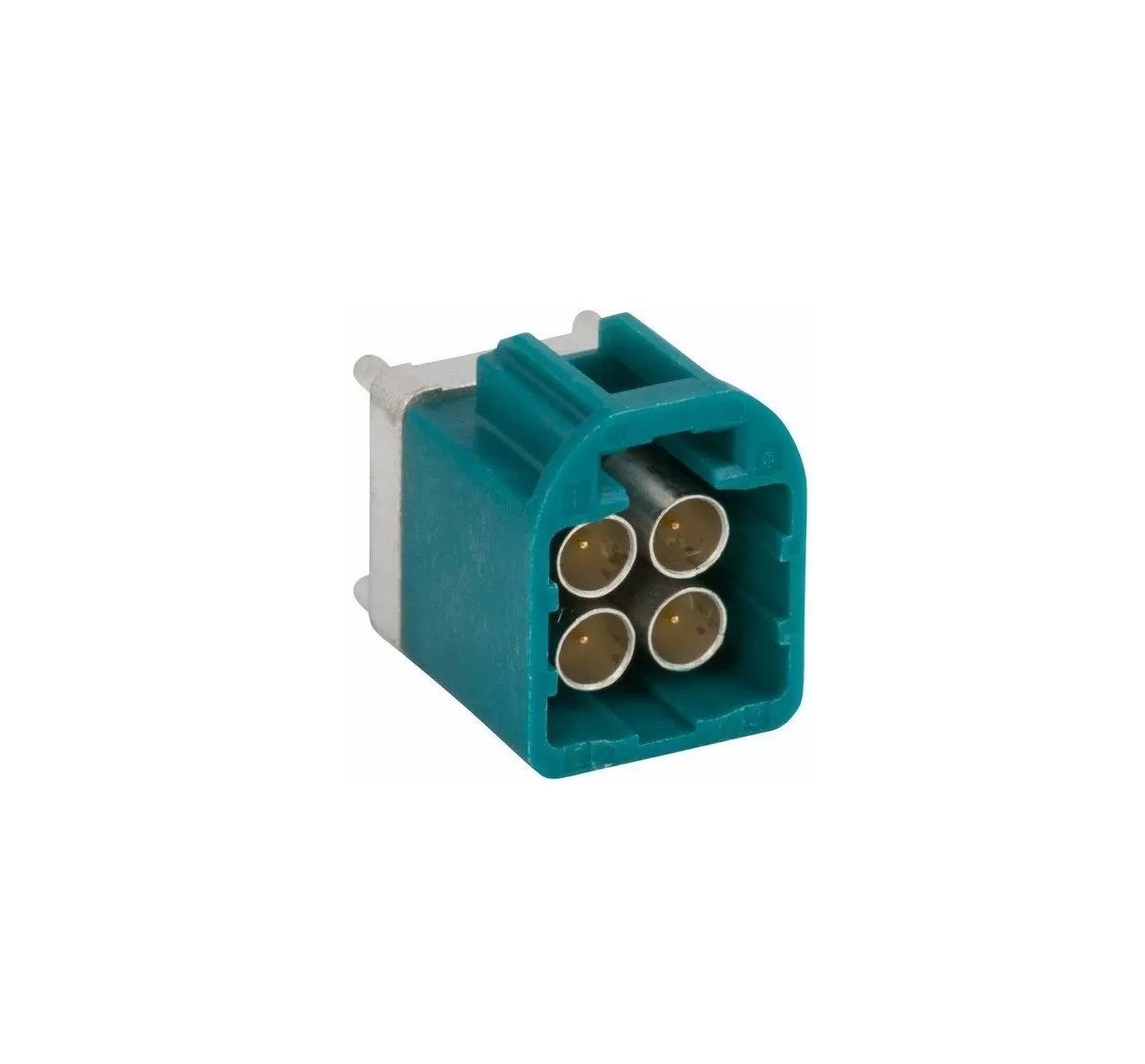
High-bandwidth automotive performance with expanded mini-FAKRA PCB portfolio
Amphenol RF is pleased to expand our multiport AUTOMATE Type A Mini-FAKRA portfolio with additional PCB options.
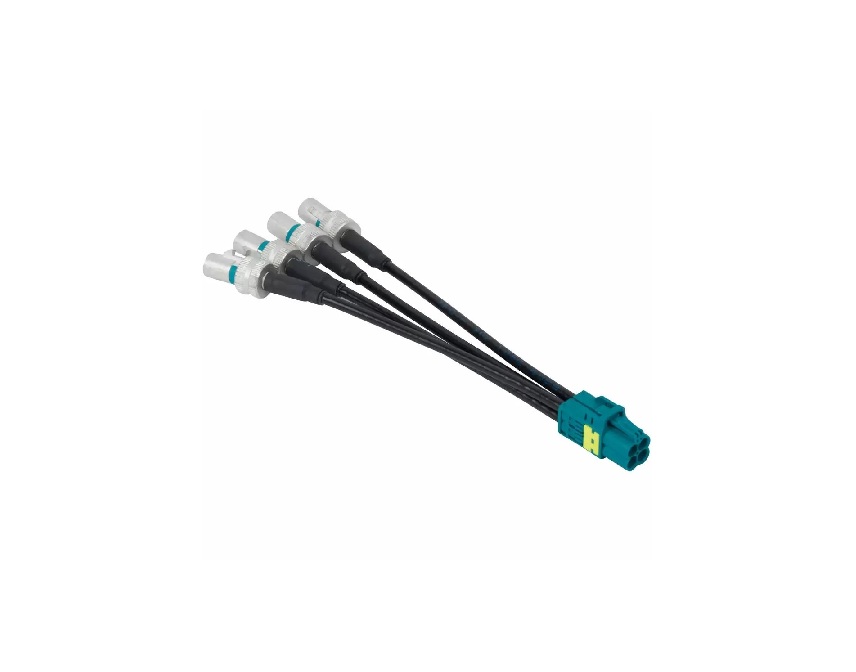
Meet next-gen design requirements with new mini-FAKRA cable assemblies
Amphenol RF is pleased to expand our AUTOMATE Type A mini-FAKRA portfolio with additional pre-configured breakout cable options designed on industry-standard cable types.
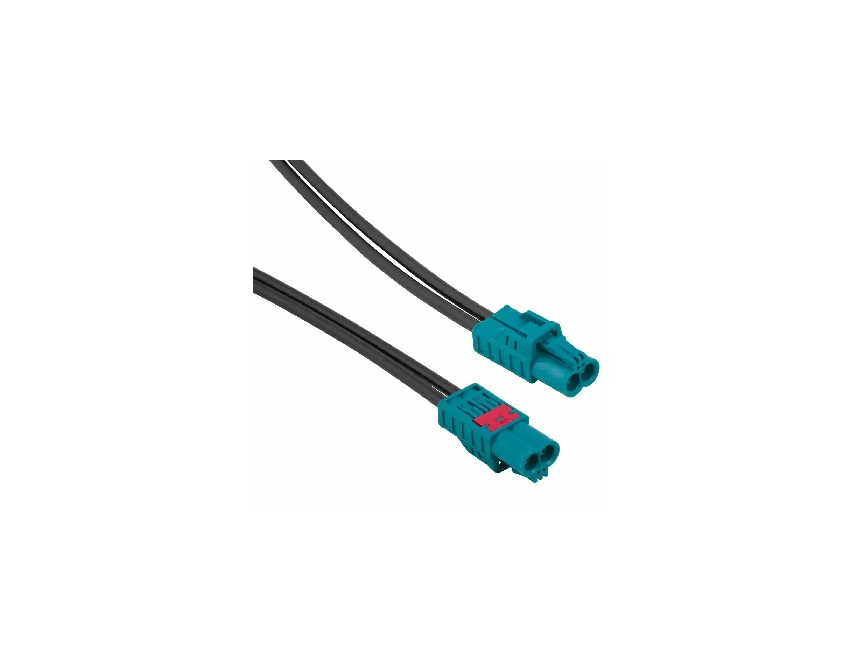
Enabling automotive and IIoT tech with pre-configured AUTOMATE mini-FAKRA cable assemblies
Amphenol RF is pleased to expand our AUTOMATE Mini-FAKRA cable assembly portfolio with additional pre-configured cable assemblies.
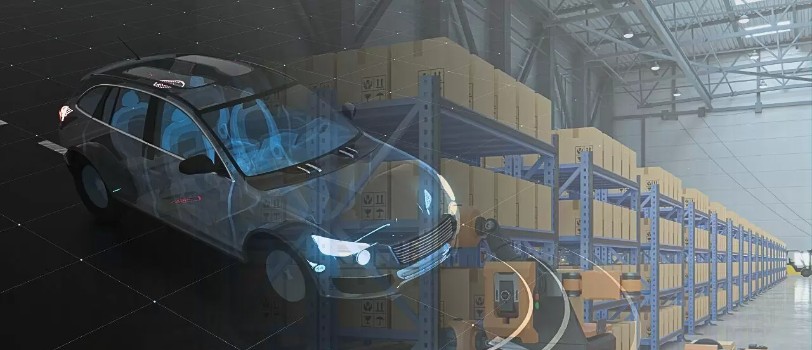
Vehicle and Industrial Automation Connectivity in Future Designs
Explore the shared connectivity needs of connected vehicles, industrial equipment, warehouse robots and urban air mobility systems—and the RF interfaces that support their cameras, sensors and compute modules.
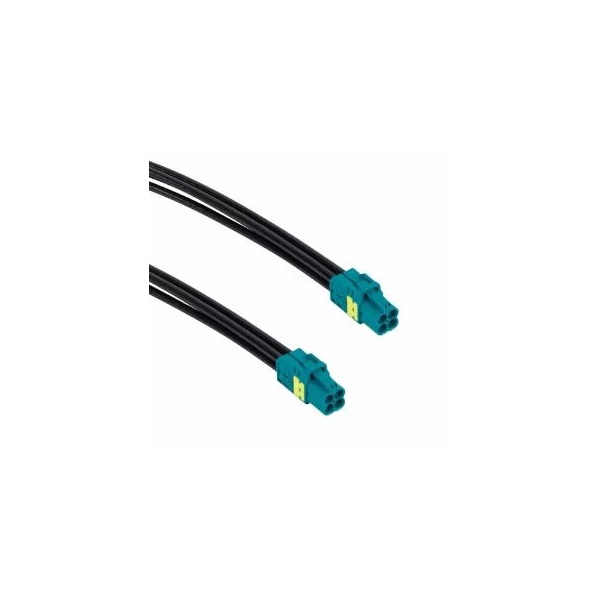
Driving new technology with pre-configured AUTOMATE Mini-FAKRA cable assemblies
Amphenol RF is pleased to expand our AUTOMATE Type A Mini-FAKRA product series with pre-configured cable assemblies.
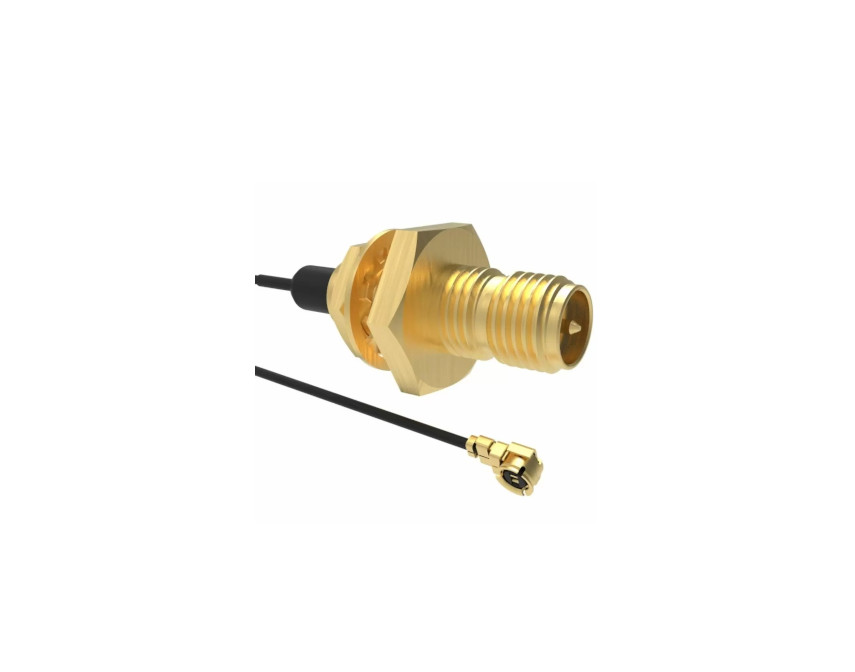
Reverse polarity SMA waterproof and tamper proof cable assemblies create durable option
Amphenol RF is pleased to introduce waterproof IP67 rated and tamper-resistant cable assemblies designed using 1.13 mm micro coax cable.
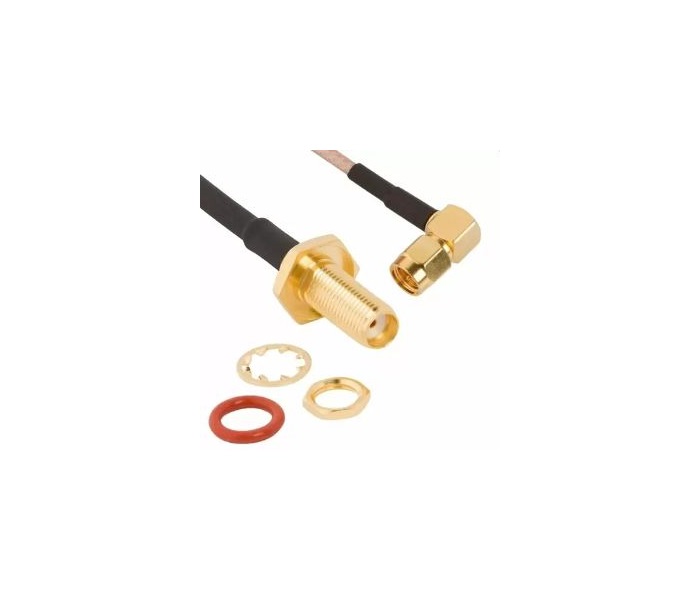
Expand outside safely with IP67 SMA bulkhead cable assemblies
Amphenol RF is pleased to expand our cable assembly portfolio with additional pre-configured SMA options to support designs that require a more ruggedized, waterproof solution.
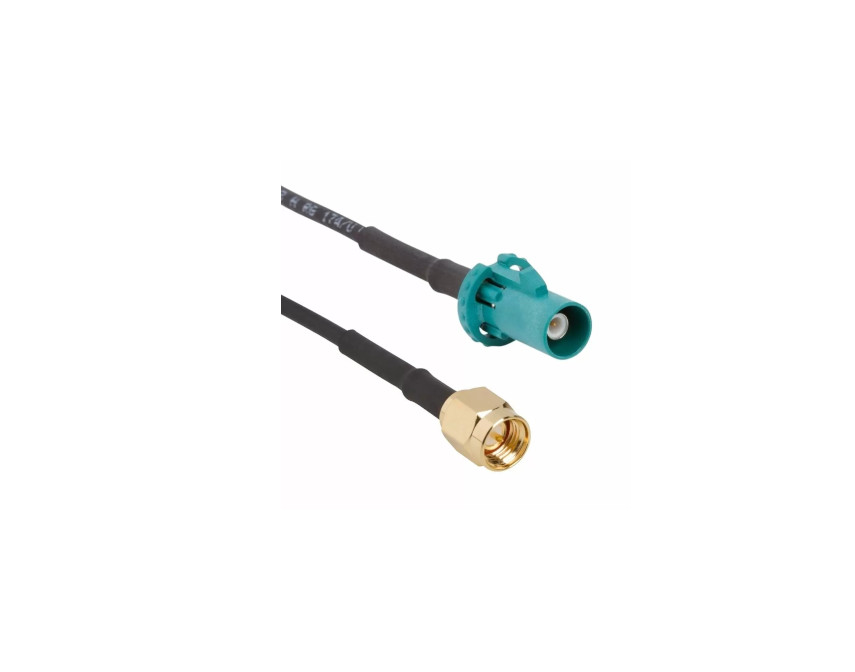
Increase flexibility with new FAKRA to SMA cable assemblies
Amphenol RF is pleased to introduce FAKRA to SMA cable assemblies into our robust product portfolio.
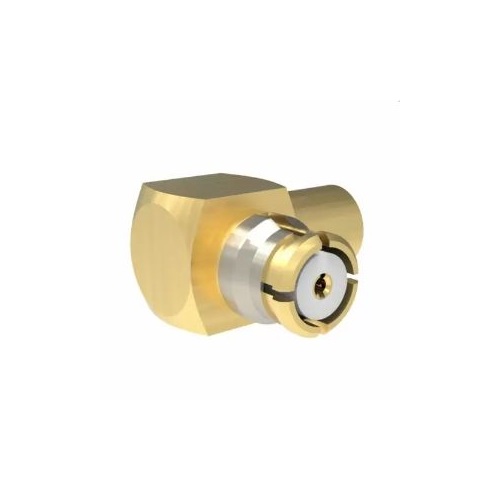
Improved performance and assembly with new SMP connector
Amphenol RF is pleased to announce the expansion of the SMP product series with a new right‐angle cable plug designed for easier assembly and improved performance.
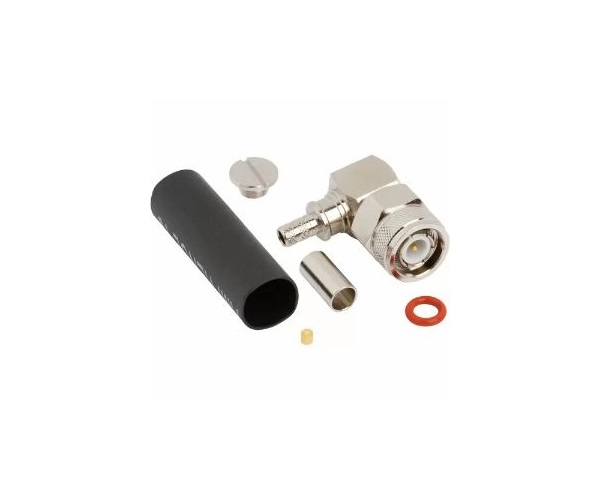
Increase system security with waterproof IP67 rated TNC connectors
Amphenol RF is pleased to announce the expansion of the TNC product series with a new right-angle cable plug designed for Times Microwave LMR-240 cable.
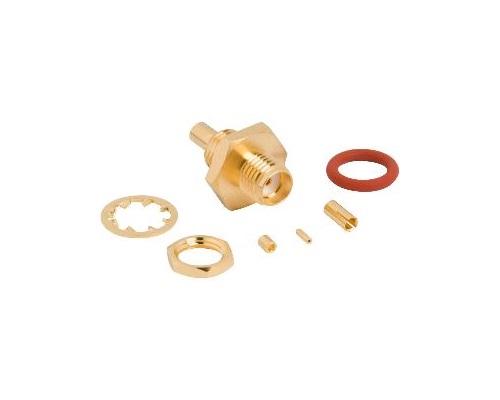
Tamper-resistant SMA bulkhead jacks for flexible micro-coax cables
Amphenol RF is pleased to announce the expansion of our SMA panel mount product series with additional front mount bulkhead jacks.
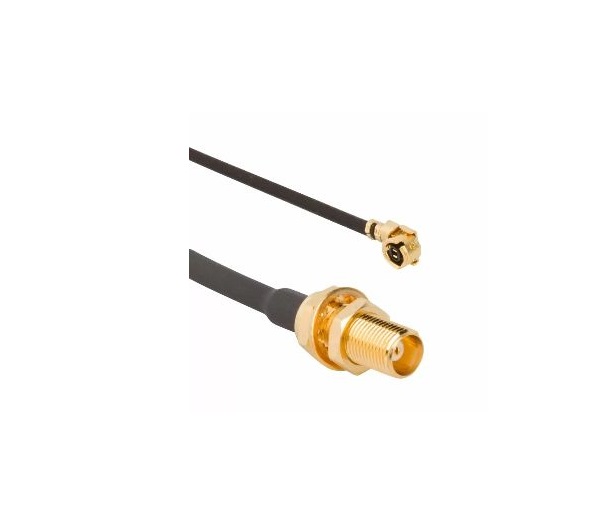
Achieve secure, reliable mating with MCX & MMCX micro-coax cable assemblies
Amphenol RF is pleased to expand its cable assembly offerings with additional MCX and MMCX cable assemblies designed on flexible 1.13 mm micro‐coax cable.
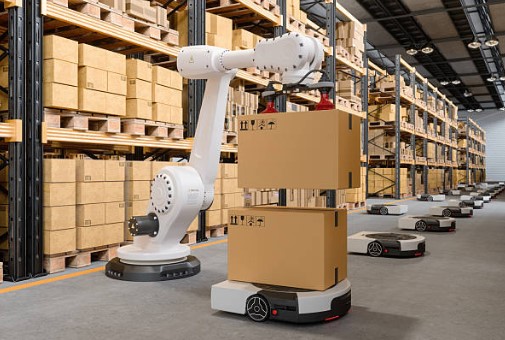
Enabling Factory Automation: Warehouse Robotics & Autonomous Mobile Robots in Action
Explore how RF connectors and cable assemblies support warehouse robots, from camera and sensor connections to rugged wireless communication across automated facilities.
.png)
The Critical Role of RF Connectivity in Next-Generation Automotive Design
ADAS and autonomous systems rely on fast, reliable radio frequency connectivity to make split-second decisions and keep vehicles operating safely. From high-frequency radar links to real-time vehicle-to-infrastructure communication, RF connectivity ensures sensors, processors, and communication systems stay in sync across every driving scenario.

Humanoid Robots in the Warehouse: RF Infrastructure Behind Industrial Automation
Discover how humanoid robots are transforming warehouse automation through AI, sensor fusion and reliable RF connectivity. Learn why high-performance RF connectors and cable assemblies are essential for enabling real-time communication, low-latency data transmission and dependable operation in next-generation industrial robotics.
Send us a Message
Please fill in the form below and we will contact you very soon.
Fields marked with an asterisk (*) are required.